Growing a Natural Fence: The Living Walls of Indonesia
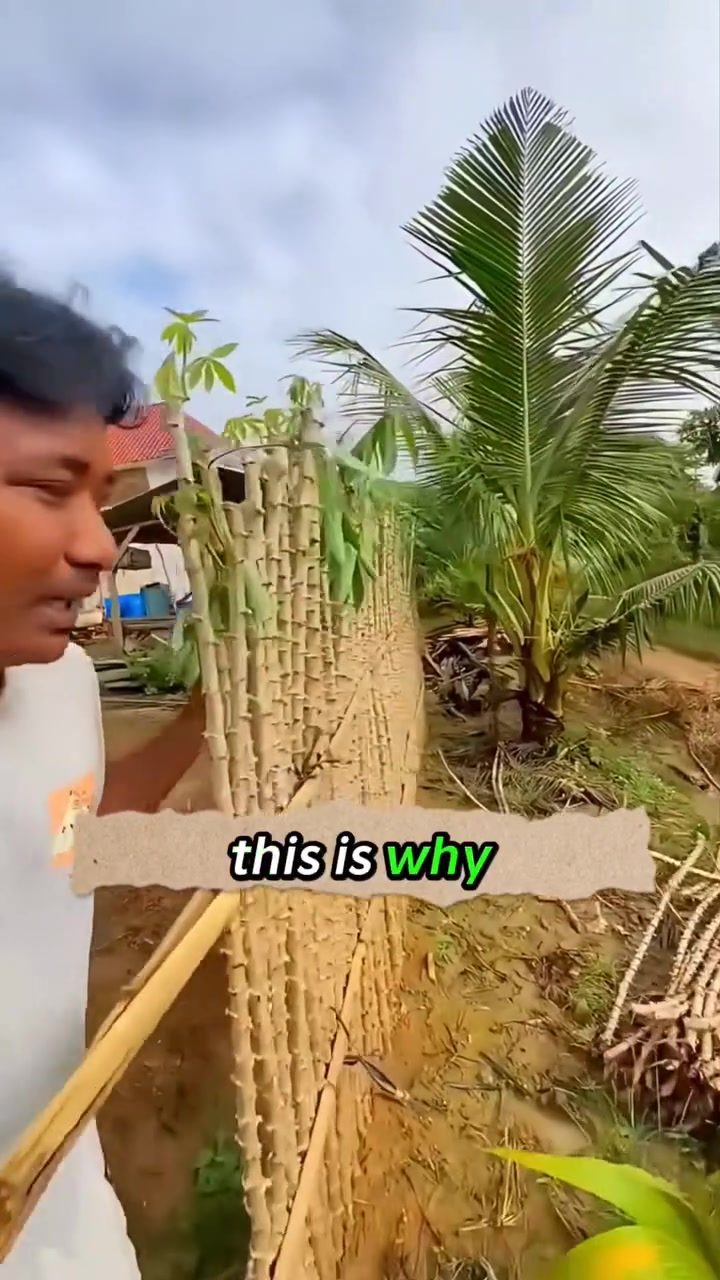
Imagine a fence that not only marks your property but also produces food. In Indonesia, this is not a distant dream but a practical reality. Many people in Indonesia use cassava plants to create living walls, blending functionality with sustainability.
Why This Matters
Living fences, or "hedgerows," are not a new idea. However, the method used in Indonesia stands out due to its simplicity and dual functionality. These living fences are more than just boundary markers; they are a source of sustenance. Understanding this approach can offer insights into sustainable living and innovative agriculture.
The Process of Creating a Cassava Fence
Planting the Stems
The process begins with the cassava plant. Instead of using seeds, locals cut the stems and plant them directly into the soil. This method is straightforward and requires minimal effort. The stems, when provided with adequate heat and moisture, quickly develop roots and start to sprout. This rapid growth is crucial for establishing a dense, natural barrier.
The Growth and Development
Over time, the cassava plants grow and intertwine, forming a thick, natural fence. This living wall serves as a clear property marker. The clever part of this system lies beneath the surface. Cassava plants also grow large, edible roots. This means that the same plant that forms the fence also provides a valuable food source.
Maintenance and Harvesting
To maintain the fence, locals regularly trim the plants. This trimming serves multiple purposes. It keeps the fence neat and manages the height, ensuring that the plants do not grow too tall. More importantly, trimming encourages the plant to direct more nutrients into the roots underground, enhancing the yield of the edible roots.
Benefits of a Cassava Living Fence
Sustainability
One of the most significant advantages of a cassava living fence is its sustainability. Unlike traditional fences made from synthetic materials or wood, a cassava fence is entirely organic and biodegradable. It reduces waste and the need for constant replacement, making it an eco-friendly option.
Cost-Effective
Building a traditional fence can be expensive, especially if you opt for high-quality materials. In contrast, creating a living fence requires minimal investment. Cassava plants are easy to propagate and maintain, making this a cost-effective solution for property demarcation.
Dual Functionality
The dual functionality of the cassava plant is another major benefit. While it serves as a fence, it also produces edible roots. This dual role makes the plant a valuable addition to any homestead, combining practicality with productivity. The edible roots, known as cassava, are a staple in many diets and can be processed into various food products.
Environmental Impact
Living fences, such as those made from cassava, have a positive environmental impact. They provide habitat for local wildlife and help to prevent soil erosion. Additionally, the dense foliage can act as a windbreak, protecting crops and other plants from harsh weather conditions.
Practical Tips for Creating a Cassava Fence
If you are considering creating a cassava fence, here are some practical tips to help you get started:
Choose the Right Location
Select an area with adequate sunlight and moisture. Cassava plants thrive in warm, humid conditions, so choose a spot that meets these requirements. Ensure the soil is well-drained to prevent waterlogging, which can harm the plants.
Planting the Stems
Cut healthy stems from an existing cassava plant and plant them directly into the soil. Ensure that the cuttings are at least 12 inches long and have several nodes. Plant them vertically, with about 2-3 inches of the stem buried in the soil. Space the cuttings about 12-18 inches apart to allow for growth and development.
Maintenance and Care
Regularly water the plants, especially during the initial stages of growth. As the plants mature, they will require less water but will still benefit from occasional trimming. Trim the top and sides to control the height and shape of the fence. This will also encourage the plant to produce more edible roots.
Important Takeaways
Creating a living fence using cassava plants is a sustainable and practical solution for property demarcation. The process is simple, cost-effective, and provides an additional food source. It also has a positive environmental impact, making it a valuable addition to any homestead.
Conclusion
The living walls of Indonesia serve as a testament to the power of innovation and sustainability. By using cassava plants to create living fences, locals have found a way to combine practicality with productivity. This approach not only marks property boundaries but also provides a valuable food source, making it a sustainable and cost-effective solution.
Watch the Reel
Questions readers ask
What makes cassava plants an ideal choice for living fences in Indonesia?
Cassava plants are ideal for living fences due to their rapid growth rate and hardy nature. They can grow quickly to create a sturdy, dense barrier, which makes them effective for property boundaries. Plus, they are an excellent source of food, as both the roots and leaves are edible.
How are cassava plants typically planted to create a living fence?
To create a living fence the cassava stems are planted close together in a straight line, with the cut ends slightly buried in the soil. This method encourages the plants to grow vertically, forming a thick, impenetrable barrier over time. Regular maintenance, such as pruning, helps to keep the fence tidy and promotes bushier growth.
Can cassava fences be combined with other materials for added strength?
Yes, cassava fences can be enhanced with other materials. For instance, some people intertwine bamboo with cassava plants to create a stronger, more durable barrier. This combination provides additional support and can help in maintaining the structure of the fence.
What are the environmental benefits of using cassava plants for fencing?
Cassava plants help prevent soil erosion and improve soil quality. They require relatively low maintenance and do not need chemical treatments, making them an eco-friendly fencing option. Additionally, they absorb carbon dioxide, contributing to a cleaner environment.
How long does it typically take for a cassava fence to become established?
Cassava plants are known for their rapid growth. Within a few months, they can grow tall enough to serve as an effective barrier. However, the exact time can vary depending on the soil quality and climate conditions. Generally, with proper care, a cassava fence can be fully established within 6 to 12 months.
Are there any specific regions in Indonesia where cassava fences are more commonly used?
Cassava fences are particularly common in rural and agricultural areas across Indonesia, though they are most prevalent in regions where cassava is a staple crop. These include areas in Java, Sumatra, and other parts of the country where the climate and soil conditions are favorable for cassava growth.
What are some of the challenges of maintaining a cassava fence?
Maintaining a cassava fence primarily involves regular watering, especially during dry periods, and pruning to control the plant's growth and prevent it from becoming too unwieldy. Pests and diseases can also pose challenges, so monitoring the plants for any signs of trouble is essential. Additionally, ensuring the soil remains nutrient-rich can help the plants thrive.
Related deep dives
Similar reads based on topic and creator.
Recent articles
Fresh deep dives from the latest Reels we unpacked.




Comments
Be the first to comment.