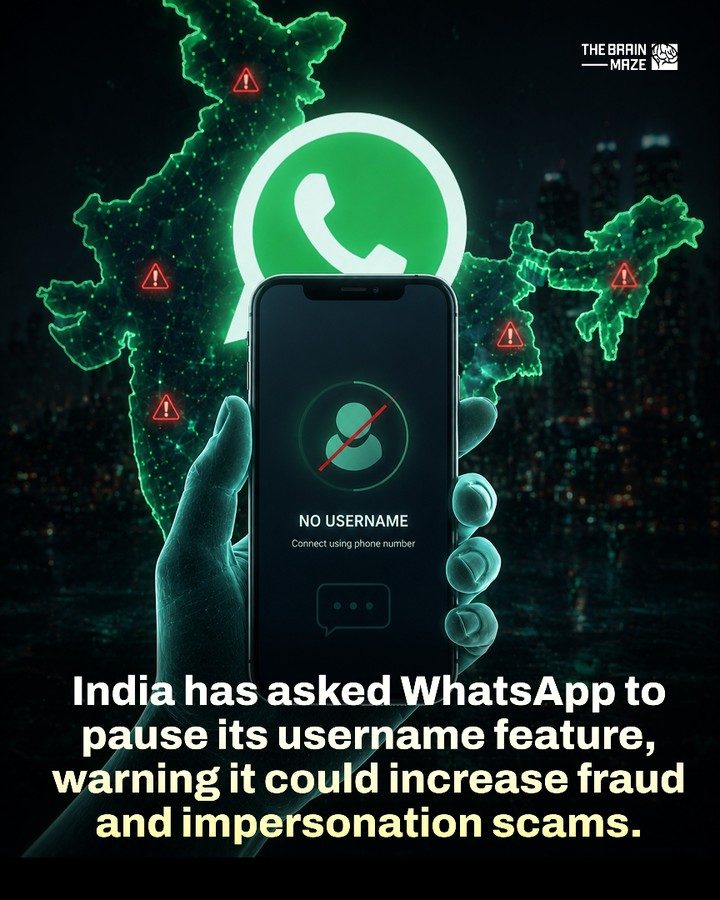
WhatsApp Username Feature: A Pause to Address Security Concerns
WhatsApp's upcoming username-based messaging feature has been paused due to significant security concerns raised by the Indian government. This feature, which aimed to allow users to chat without revealing their phone numbers, has been met with caution due to potential increases in fraud, phishing, and impersonation scams.
Context / Why this matters
In today's digital age, social media platforms are integral to daily communication, but they also pose significant risks. The pause on WhatsApp’s username feature underscores the delicate balance between user convenience and security. As more interactions move online, ensuring the integrity and safety of these interactions becomes paramount.
Main discussion
The Pause on WhatsApp's Username Feature
The Indian government has requested WhatsApp to pause the rollout of its username-based messaging feature. This move comes as a precautionary measure to mitigate potential risks associated with the new functionality. The primary concern is that allowing users to chat without revealing their phone numbers could make it easier for criminals to target victims and create fake identities. These fake identities could resemble real individuals, institutions, and public services, leading to increased instances of fraud, phishing, and impersonation scams.
Potential Risks
The concern over fraud and impersonation is not unfounded. Cybercriminals often exploit vulnerabilities in communication systems to deceive users and extract sensitive information. By allowing users to communicate without revealing their phone numbers, the new username feature could inadvertently create an environment where it's easier to create and operate under false identities. This could make it harder for users to verify the authenticity of the people they are communicating with, thereby increasing the risk of being targeted by scams and fraudulent activities.
Government and User Concerns
The Indian government's request to pause the feature highlights the importance of public safety in digital communications. The potential for increased fraud and impersonation is a legitimate concern that needs to be addressed before the feature is rolled out. This move shows that regulatory bodies are proactive in protecting users and ensuring that new features are introduced with robust security measures in place.
The Importance of Phone Numbers in Authentication
One of the primary arguments against the username feature is the role of phone numbers in authentication. Phone numbers are often used as a form of identification and verification in many applications, including WhatsApp. By requiring users to connect through their phone numbers, there is an added layer of security that helps in verifying the identity of the user. This verification process is crucial in preventing impersonation and fraud, as it makes it harder for malicious actors to create fake identities and target unsuspecting users.
Ensuring Security in Digital Communication
The pause on the username feature serves as a reminder of the importance of security in digital communication. It underscores the need for continuous vigilance and the implementation of stringent security measures to protect users from fraudulent activities. As social media platforms continue to evolve, it is essential to ensure that new features are rolled out with a focus on user safety and security.
Practical tips
Protecting Yourself from Online Fraud and Scams
- Verify Identities: Always verify the identity of the people you are communicating with, especially if you are exchanging sensitive information.
- Use Strong Passwords: Ensure that your accounts are protected with strong, unique passwords. Consider using a password manager to help keep track of your passwords.
- Enable Two-Factor Authentication (2FA): Whenever possible, enable two-factor authentication for an added layer of security.
- Be Cautious of Suspicious Links: Do not click on suspicious links or download attachments from unknown sources.
- Report Suspicious Activity: If you suspect any fraudulent activity, report it immediately to the relevant authorities or the platform you are using.
Staying Informed about Security Updates
- Follow Official Channels: Stay informed about the latest security updates and features by following official channels and announcements from the platforms you use.
- Regularly Update Apps: Keep your apps and devices updated to ensure you have the latest security patches and features.
Important takeaways
- The pause on WhatsApp’s username feature highlights the potential risks associated with user privacy and security.
- Ensuring robust security measures is crucial in preventing fraud, phishing, and impersonation scams.
- Users should be vigilant and take proactive steps to protect themselves from online threats.
- The role of regulatory bodies in safeguarding public safety in digital communications is essential.
Conclusion
The decision to pause WhatsApp’s username feature underscores the critical importance of security in digital communication. As platforms continue to evolve, it is essential to ensure that new features are introduced with a strong focus on user safety. By taking proactive measures and staying informed, users can protect themselves from potential threats and enjoy a safer online experience.
Watch the Reel
Questions readers ask
Why did WhatsApp pause the username feature?
WhatsApp paused the username feature due to concerns raised by the Indian government about potential increases in fraud, phishing, and impersonation scams. The feature was designed to allow messaging without revealing phone numbers, but security fears prompted the pause.
What are the primary security concerns associated with the username feature?
The primary security concerns include the potential for increased fraud, phishing, and impersonation scams. The feature's design, which allows users to message without exposing their phone numbers, could be exploited by malicious actors for nefarious activities.
How does the pause affect WhatsApp users in India?
The pause means that users in India will not be able to use the username feature as initially planned, and will need to continue using their phone numbers for communication. This ensures that the platform remains secure from potential fraud.
What steps can users take to protect themselves from fraud and scams on WhatsApp?
Users can protect themselves by being cautious of messages from unknown contacts, verifying the identity of senders, and avoiding sharing personal information. Additionally, enabling two-step verification and reporting any suspicious activity to WhatsApp can enhance security.
Why is the Indian government particularly concerned about this feature?
The Indian government is particularly concerned due to the high prevalence of digital communication in the country and the potential for scams to affect a large population. The government aims to ensure that all digital interactions remain safe and secure for users.
Are there alternative methods for secure messaging on WhatsApp?
WhatsApp already offers several security features, such as end-to-end encryption, to protect user communications. Additionally, users can utilize verified business accounts and enable security notifications to stay informed about potential threats.
Related deep dives
Similar reads based on topic and creator.


Recent articles
Fresh deep dives from the latest Reels we unpacked.




Comments
Be the first to comment.