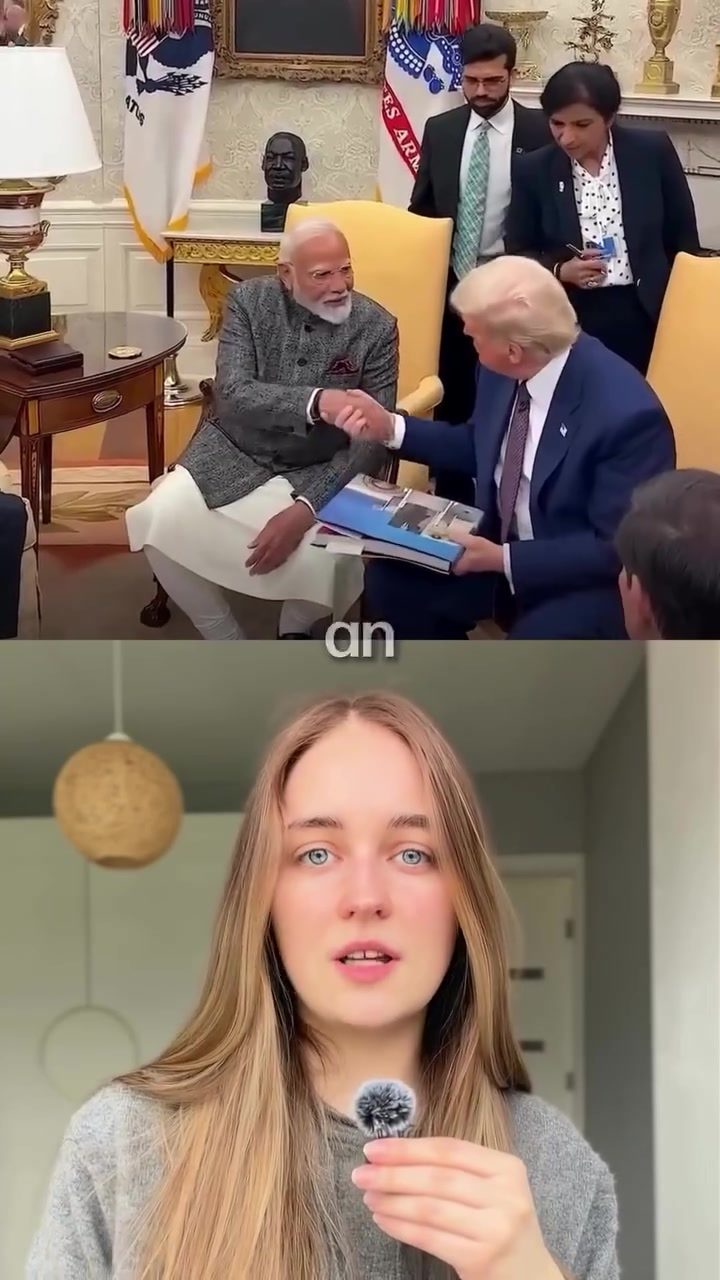
The $11 Billion Deal: Tata Electronics and ASML's Partnership in India's Semiconductor Push
India has made a significant stride in its semiconductor ambitions with a groundbreaking $11 billion deal between Tata Electronics and ASML. This partnership aims to bring advanced lithography capabilities to India, marking a pivotal moment in the country's domestic chip manufacturing journey. Here’s a deeper dive into what this deal entails and its broader implications.
Context: Why This Matters
The semiconductor industry is the backbone of modern technology, powering everything from smartphones to electric vehicles. India's entry into advanced chip manufacturing signifies a major leap in its technological prowess and economic potential. The partnership with ASML, a Dutch company that controls the global market for lithography systems, positions India as a key player in this high-stakes industry.
The Partnership: Details and Implications
The Deal
Tata Electronics has partnered with ASML in a deal that even China, a significant player in the semiconductor industry, was unable to secure. The U.S. controls ASML due to the critical components that originate from America, making it a strategic asset. India's ability to secure this partnership was facilitated by its membership in the U.S.-led semiconductor alliance. This alliance is a collective effort by several nations to ensure the supply of advanced semiconductor technologies is not monopolized by a single country.
Tata Electronics will initially receive DUV (Deep Ultraviolet) machines, which are capable of producing chips with 28 Nanometer (NM) processes. This is a notable start, but it's essential to understand that it falls short of the top-tier EUV (Extreme Ultraviolet) machines, which can produce even more advanced 2 Nanometer (NM) chips. However, the acquisition of DUV machines is a significant step forward for India and is indeed 'huge' in its implications.
Funding and Future Prospects
The Gujarat plant, where Tata Electronics will establish its semiconductor manufacturing facility, will receive $5.5 billion in government funding. This investment underscores the Indian government's commitment to fostering a robust semiconductor ecosystem. The primary question now is how quickly India can transition from 28 NM to 2 NM processes. This transition is crucial for producing state-of-the-art chips that can compete globally.
Technical Aspects: Lithography and Chip Manufacturing
Lithography Systems
Lithography systems are the backbone of modern chip manufacturing. ASML's lithography machines use advanced optical techniques to transfer complex circuit patterns onto silicon wafers. The process involves exposing the wafer to ultraviolet light, which passes through a mask containing the circuit design. The light interacts with a photosensitive material, etching the pattern onto the wafer.
Types of Lithography Machines
DUV Machines: DUV (Deep Ultraviolet) machines, like those India will initially acquire, use light in the deep ultraviolet spectrum. These machines are capable of producing chips with a feature size of 28 NM. While this is impressive, it falls short of the cutting-edge EUV machines.
EUV Machines: EUV (Extreme Ultraviolet) machines, on the other hand, use shorter wavelengths of light, allowing them to produce chips with a feature size as small as 2 NM. This is crucial for producing more powerful and efficient chips, which are in high demand for applications like artificial intelligence, 5G technology, and high-performance computing. These top-tier machines are often reserved for alliance members that are at the forefront of technological advancement.
The Role of the United States and China
The U.S. plays a pivotal role in the semiconductor supply chain, controlling key components that are essential for the operation of ASML's machines. This strategic control allows the U.S. to influence the distribution of advanced technologies, ensuring they are not exploited by countries with questionable intentions. It also means that companies acquiring these machines must comply with U.S. regulations and export controls.
China's exclusion from the ASML deal highlights the geopolitical complexities surrounding the semiconductor industry. China has been aggressively investing in its own semiconductor capabilities, aiming to reduce its dependence on foreign technology. However, without access to advanced lithography machines, China's progress in producing cutting-edge chips is hindered.
On the other hand, India's partnership with ASML underscores its strategic alignment with the U.S. and other democratic nations. This alliance not only provides India with the necessary technology but also opens the door to future collaborations and technological advancements. By joining the U.S.-led semiconductor alliance, India strengthens its position as a reliable and innovative player in the global semiconductor landscape.
Practical Tips for Understanding the Semiconductor Industry
Stay Informed on Geopolitical Developments
The semiconductor industry is deeply intertwined with geopolitics. Keeping an eye on international relations and technological alliances can provide valuable insights into the future direction of the industry.
Understand the Different Types of Lithography
Knowing the differences between DUV and EUV lithography can help you understand the capabilities and limitations of different semiconductor manufacturing processes. This knowledge is particularly useful for investors, tech enthusiasts, or professionals in related fields.
Follow Key Players
Companies like ASML, Intel, Samsung, and Taiwan Semiconductor Manufacturing Company (TSMC) are at the forefront of semiconductor innovation. Staying informed about their developments can provide a clear view of the industry's trajectory.
Recognize the Importance of Supply Chain Management
The supply chain for semiconductor manufacturing is complex and multifaceted, involving numerous countries and industries. Understanding this supply chain can help businesses and governments make informed decisions about their technological investments and partnerships.
Important Takeaways
The $11 billion partnership between Tata Electronics and ASML marks a significant milestone in India's semiconductor journey. While the initial acquisition of DUV machines is a notable start, the real challenge lies in transitioning to more advanced EUV technology. This partnership not only boosts India's technological capabilities but also strengthens its strategic alignment with the U.S. and other democratic nations. The semiconductor industry's complex geopolitical landscape underscores the importance of understanding the underlying technologies and strategic alliances. By staying informed and engaged, stakeholders can navigate this dynamic industry more effectively.
Conclusion
The collaboration between Tata Electronics and ASML represents a monumental step forward for India's semiconductor ambitions. As the country continues to invest in advanced technologies and form strategic alliances, it positions itself as a key player in the global semiconductor industry. This partnership not only enhances India's technological prowess but also strengthens its strategic ties with the U.S. and other nations. The journey from 28 NM to 2 NM processes will be challenging, but with the right investments and strategic moves, India is poised to achieve its goals.
Watch the Reel
Questions readers ask
What is the significance of the $11 billion deal between Tata Electronics and ASML for India?
The deal signifies India's commitment to advancing its semiconductor industry. By bringing ASML's advanced lithography capabilities to India, it helps the country move closer to achieving self-reliance in chip manufacturing, which is crucial for technological and economic growth.
What is EUV lithography and why is it important for India's semiconductor industry?
EUV (Extreme Ultraviolet) lithography is a cutting-edge technology used in semiconductor manufacturing to create smaller, faster, and more efficient chips. By acquiring this technology through the ASML partnership, India can produce advanced chips domestically, reducing dependency on imports and fostering innovation.
How will this partnership impact India's technological capabilities?
The partnership will enhance India's technical expertise in semiconductor manufacturing. By working with ASML, Indian engineers and scientists will gain exposure to state-of-the-art lithography techniques, fostering skill development and driving innovation in the local semiconductor ecosystem.
What are the economic implications of India's semiconductor push?
India's push into semiconductor manufacturing can lead to significant economic benefits, including job creation, increased exports, and reduced reliance on foreign chip manufacturers. This can also attract further investments in the technology sector, boosting overall economic growth.
What role does Tata Electronics play in this partnership?
Tata Electronics is the Indian partner in this collaboration, leveraging its strong foothold in the electronics manufacturing sector. The company will work closely with ASML to establish advanced lithography capabilities in India, driving the country's domestic chip manufacturing initiatives.
How does this deal position India in the global semiconductor industry?
This deal positions India as a significant player in the global semiconductor industry by gaining access to leading-edge lithography technology. It demonstrates India's commitment to advancing its semiconductor capabilities, potentially attracting more global partnerships and investments in the sector.
Related deep dives
Similar reads based on topic and creator.

Recent articles
Fresh deep dives from the latest Reels we unpacked.

Comments
Be the first to comment.