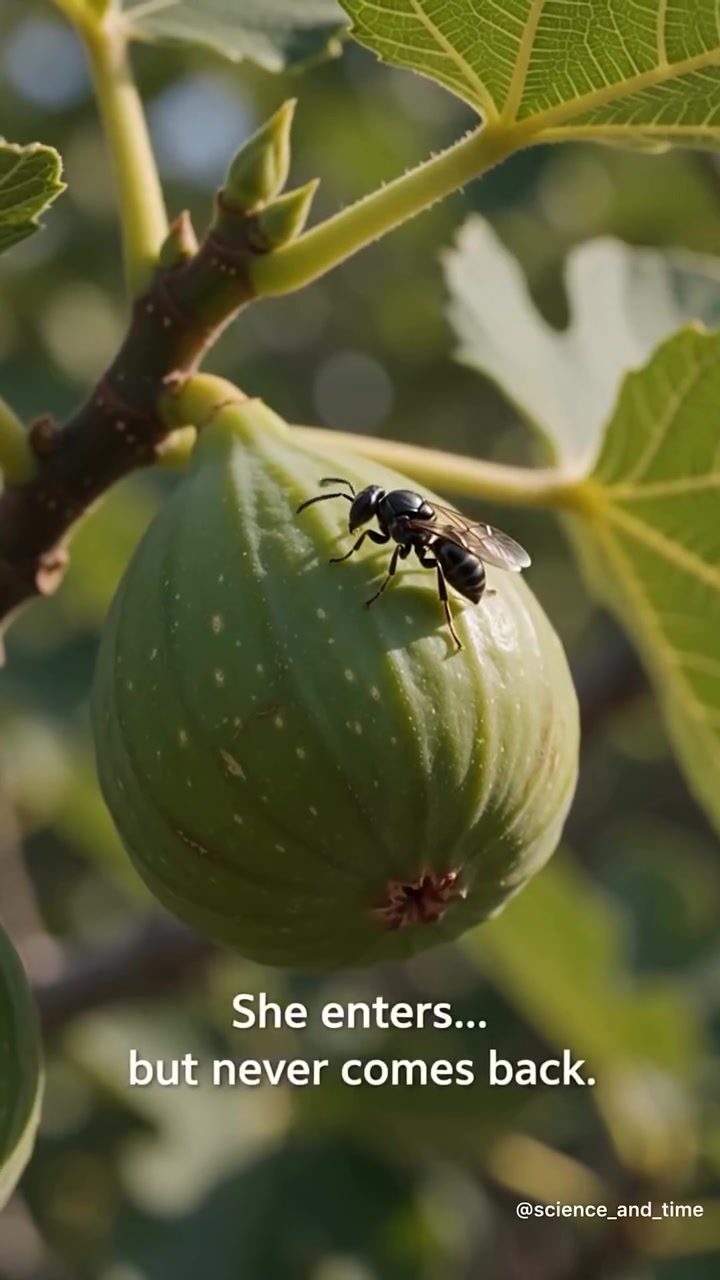
Fig Wasp Pollination: The Remarkable Life Cycle
Every fig tree relies on a tiny, yet remarkably brave, pollinator—the fig wasp. This intricate and ancient partnership has sustained for over 80 million years, making it one of the most extraordinary examples of mutualism in the natural world. If you've ever wondered how these small, often overlooked insects contribute to the life cycle of fig trees, then you’ve come to the right place. Here, we'll explore this fascinating relationship in depth, from the wasp’s selfless journey to the intricate mechanisms that ensure both species flourish.
Context: Why This Matters
The relationship between figs and fig wasps is a quintessential example of coevolution, where two species evolve together in a way that benefits both. This dynamic relationship ensures the survival of both the fig trees and the fig wasps, making it a crucial process in many ecosystems. By understanding this process, we can appreciate the intricate workings of nature and the symbiotic relationships that sustain it.
The Life Cycle of a Fig Wasp
The lifecycle of a fig wasp is both intricate and extraordinary. Here’s a detailed look at the steps involved:
Entry into the Fig
The journey begins with a female fig wasp, which is incredibly small—only about two millimeters long. To enter the fig, the wasp must squeeze through a minuscule opening. This opening is so tiny that it tears off her wings and antennae, making it impossible for her to fly again. This sacrifice is essential for her to fulfill her role in the pollination process.
Upon entering the fig, the wasp is now trapped inside. She can no longer fly, but she has a crucial mission to complete: pollinating the fig's flowers and laying her eggs.
Pollination and Egg-Laying
As the wasp crawls through the fig, she pollinates hundreds of tiny flowers. This is a vital step in the life cycle of both the wasp and the fig. While pollinating, the wasp also lays her eggs inside the fig. These eggs will eventually hatch into larvae, each growing safely inside its own protective chamber, hidden from the outside world.
The Role of Male Fig Wasps
After the female wasp completes her pollination and egg-laying, the next phase of the lifecycle involves the male wasps. These males hatch first, and they play a crucial role in ensuring the continuation of the species.
The Final Act of Sacrifice
The male wasps do not venture out of the fig. Instead, they mate with their sisters inside the fig, ensuring genetic diversity. After mating, the males chew escape tunnels through the fig, creating an exit route for the female wasps.
The males’ role does not end with creating the escape route. They also open the only escape path, allowing every female to leave first. This selfless act ensures that the females can continue the cycle by finding new figs to pollinate.
The Perils Outside the Fig
Once the female wasps emerge from the fig, they face a challenging journey. Outside, hungry ants are already waiting, ready to prey on the vulnerable wasps. Many female wasps do not survive this perilous journey. However, those that do make it to a new fig will lose their wings forever, making their final journey a one-way trip.
This journey is essential for the next generation of fig wasps. Once a female wasp reaches a new fig, she begins the cycle all over again, ensuring the survival of both the fig tree and her species.
Practical Tips for Observing Fig Wasp Pollination
Observing the intricate process of fig wasp pollination can be both fascinating and rewarding. Here are a few practical tips to help you witness this remarkable phenomenon:
Identifying the Right Environment
To observe fig wasps in action, you need to find a place where fig trees are abundant. Look for areas with wild fig trees, as these are more likely to host a healthy population of fig wasps.
Timing is Key
The best time to observe this process is during the summer months, as this is when fig wasps are most active. Choose a warm, sunny day when the wasps are more likely to be out and about.
Important Takeaways
The life cycle of the fig wasp is a testament to nature's incredible complexity and elegance. This mutualistic relationship between figs and fig wasps is a reminder of the delicate balance that sustains life on Earth.
Sacrifice and Survival
One of the most striking aspects of this relationship is the sacrifice made by the wasps. Both male and female wasps give up their lives to ensure the continuation of their species and the survival of the fig trees.
The Role of Pollination
Pollination is a critical process in the life cycle of plants, and the fig wasp plays a vital role in this process. Without the fig wasp, many fig trees would not be able to reproduce, leading to a decline in their populations.
Conclusion
The relationship between figs and fig wasps is a testament to the power of mutualism in nature. Through their intricate dance of sacrifice and survival, these tiny insects ensure the continuation of both their species and the fig trees they depend on. By understanding and appreciating this process, we can gain a deeper respect for the intricate web of life that sustains our planet.
Watch the Reel
Questions readers ask
What is the role of fig wasps in the pollination of fig trees?
Fig wasps are essential pollinators for fig trees. Female wasps enter the fig's tiny opening, where they deposit pollen from other figs, enabling the tree to produce fruits. This process is crucial for the reproductive success of both the wasp and the fig tree.
How does the fig wasp’s life cycle contribute to pollination?
The life cycle of a fig wasp is intricately linked to pollination. Female wasps collect pollen from one fig and transfer it to another, ensuring cross-pollination. This process facilitates the development of new figs and the continuation of the wasp's species, making it a vital link in the ecosystem.
What happens to a fig wasp when it enters a fig to pollinate it?
When a fig wasp enters a fig to pollinate it, it loses its wings and antennae, sacrificing its ability to fly. This selfless act allows the wasp to efficiently pollinate hundreds of flowers and lay its eggs, ensuring both the survival of the fig tree and the continuation of the wasp's species.
Do both male and female fig wasps contribute to pollination?
Only female fig wasps contribute to pollination. Males do not have wings and play a different role in the fig—namely, they mate with the emerging females inside the fig. After mating, the males die, and the females leave the fig to pollinate other trees.
What drives the selfless behavior of fig wasps?
The selfless behavior of fig wasps is driven by their instinctual need to reproduce. By sacrificing their ability to fly, they ensure that their offspring have the best chance of survival. This behavior is a result of millions of years of coevolution with fig trees, creating a mutually beneficial relationship.
Related deep dives
Similar reads based on topic and creator.




Recent articles
Fresh deep dives from the latest Reels we unpacked.



Comments
Be the first to comment.