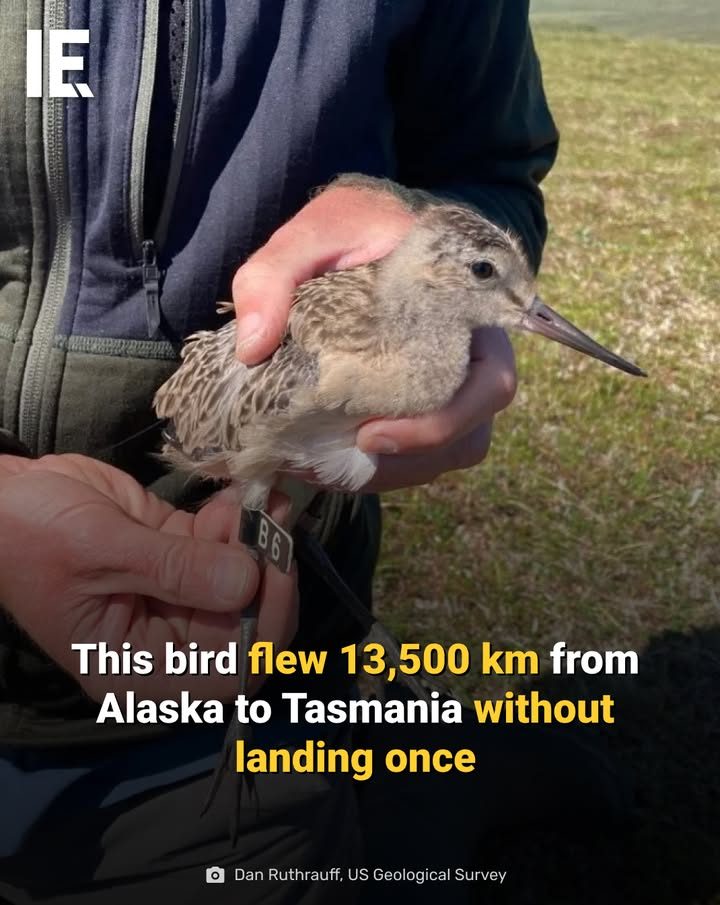
Bird Migration: The Epic Journey of the Bar-Tailed Godwit
The bar-tailed godwit holds the record for the longest nonstop bird migration, an incredible journey spanning approximately 13,560 kilometers (8,425 miles) from Alaska to Tasmania. This remarkable feat took roughly 11 days without the bird stopping for food, water, or rest.
Context: Why This Matters
Migration is a critical part of the life cycle for many bird species, enabling them to exploit resources in different geographical locations throughout the year. The bar-tailed godwit's journey is particularly noteworthy due to its length and the extreme physiological adaptations that are required. By understanding this journey, we gain insights into the resilience and adaptability of migratory birds, as well as the importance of conserving their habitats along migration routes.
The Journey
The Route
The journey begins in the vast expanses of Alaska, where the godwits gather before undertaking their trans-Pacific voyage. The birds then traverse the Pacific Ocean, heading southeast until they reach the shores of Tasmania. This route is fraught with challenges, including unpredictable weather, lack of food, and the need to navigate vast distances without landmarks.
Physiological Adaptations
To complete this marathon flight, godwits undergo several remarkable physiological changes. The most notable adaptation is the buildup of massive fat reserves. These reserves provide the necessary energy to fuel their journey without stopping for food or rest. In addition, some internal organs, like the digestive system, shrink during the flight to reduce energy expenditure and weight. This extreme adaptation allows the birds to maximize their flying efficiency.
Tracking and Research
The journey of the bar-tailed godwit was tracked by Dan Ruthraff, a scientist from the US Geological Survey. Satellite tagging technology played a crucial role in this discovery, allowing researchers to monitor the bird's movements in real-time. Data from these tracking devices provide invaluable information for understanding migratory patterns, survival rates, and the impact of environmental changes on bird populations.
Practical Tips
For those interested in bird migration and nature conservation, there are several ways to engage with and support these efforts:
Support Conservation Efforts
Organizations like the US Geological Survey and various wildlife conservation groups work tirelessly to protect migratory birds and their habitats. Supporting these groups through donations or volunteering can help ensure that future generations of migratory birds have safe passage along their routes.
Participate in Citizen Science
Projects like eBird allow birdwatchers to contribute valuable data to scientists. By recording bird sightings, you can help researchers track migration patterns, identify new migration routes, and understand the challenges birds face during their journeys. This participatory approach to science is a fantastic way to engage with the natural world and contribute to conservation efforts.
Important Takeaways
The bar-tailed godwit's journey highlights the incredible feats of endurance and adaptation in the bird world. It also underscores the importance of protecting migratory routes and habitats. The data collected by researchers like Dan Ruthraff, US Geological Survey, is crucial for conservation efforts, offering insights into how environmental changes impact bird populations and migration patterns. As our understanding of migratory birds grows, so does our responsibility to safeguard their habitats and ensure their survival.
Conclusion
Migration is a testament to the resilience and adaptability of the natural world. The bar-tailed godwit's nonstop journey from Alaska to Tasmania is an awe-inspiring example of this. By understanding and appreciating these migrations, we can better protect the birds that undertake these incredible journeys and the ecosystems they depend on. Whether through conservation efforts, citizen science, or simply observing and admiring these remarkable birds, there are many ways to engage with and support the fascinating world of bird migration.
Watch the Reel
Questions readers ask
What is the longest recorded nonstop bird migration?
The longest recorded nonstop bird migration is completed by the bar-tailed godwit, which flies approximately 13,560 kilometers from Alaska to Tasmania without stopping for food, water, or rest.
How long does it take for a bar-tailed godwit to complete its migration from Alaska to Tasmania?
The bar-tailed godwit completes its nonstop migration from Alaska to Tasmania in roughly 11 days.
What physiological adaptations does the bar-tailed godwit have to complete this journey?
The bar-tailed godwit has several extreme physiological adaptations that enable it to complete its 13,500km nonstop journey. These include the ability to efficiently convert stored fat into energy, and to withstand the physical demands of prolonged flight.
How has the migration of the bar-tailed godwit been studied and tracked?
The migration of the bar-tailed godwit has been studied and tracked using various methods, including satellite tagging. Researchers like Dan Ruthraff have attached tags to birds to monitor their routes and durations, providing valuable data on the exact path of the Alaska to Tasmania flight.
What is the significance of the bar-tailed godwit's migration route?
The bar-tailed godwit's migration route from Alaska to Tasmania is significant because it allows the bird to exploit resources in different geographic locations throughout the year. This journey showcases the bird's navigational skills and endurance, offering insights into the life cycle and adaptability of migratory birds.
What role do satellite tagged birds play in studying bird migration?
Satellite tagged birds, including the bar-tailed godwit, play a crucial role in studying bird migration by providing real-time data on their movements. This data has enabled researchers to map migration routes and understand the challenges faced by migratory birds during long-distance flights.
What is the significance of the bar-tailed godwit's 13,500km flight in the broader context of bird migration?
The bar-tailed godwit's 13,500km flight is significant in the broader context of bird migration as it sets a record for the longest nonstop migration. This journey highlights the astonishing endurance and navigational abilities of migratory birds, and underscores the importance of understanding and preserving migratory routes.
Related deep dives
Similar reads based on topic and creator.




Recent articles
Fresh deep dives from the latest Reels we unpacked.




Comments
Be the first to comment.