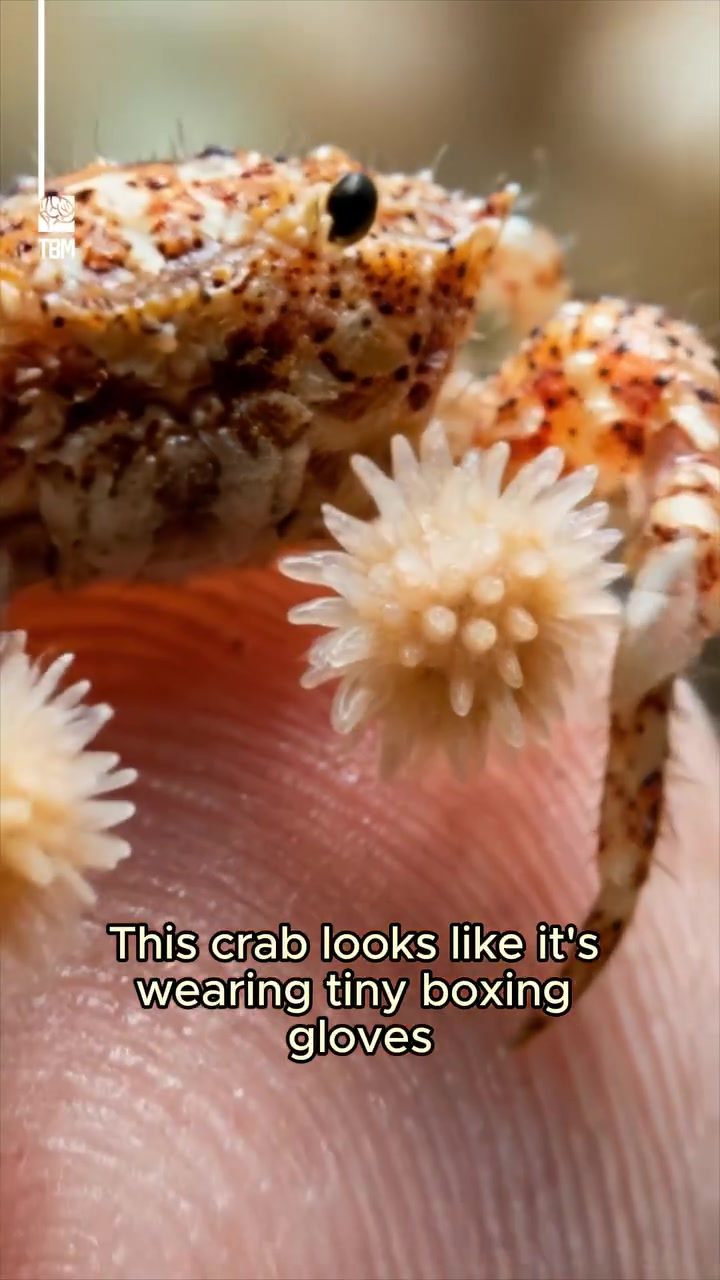
Pom-pom Crab: The Tiny Boxer of the Ocean
The pom-pom crab, renowned for its unique defense mechanism, is a fascinating creature that inhabits the ocean floor. This small crab, often called the "boxer crab" due to its peculiar habit, carries a pair of sea anemones in its claws, resembling miniature boxing gloves. These anemones serve a crucial purpose beyond their entertaining appearance: they provide the crab with powerful protection and aid in capturing food.
Why the Pom-pom Crab Matters
The pom-pom crab stands out due to its symbiotic relationship with sea anemones, a rare and intriguing example of mutualism in the natural world. Understanding this relationship can offer insights into the complex interactions within marine ecosystems. The crab benefits from the anemones' stinging capabilities, which deter predators and help in hunting, while the anemones gain mobility and access to nutrients from the crab's activities.
The Symbiotic Relationship
The Crab's Armor
The sea anemones in the pom-pom crab's claws are not merely decorative. These anemones possess stinging cells known as nematocysts, which the crab uses to defend itself against predators. When a predator approaches, the anemones deliver a painful sting, providing the crab with a formidable line of defense. This symbiotic relationship allows the crab to ward off larger, more formidable threats, ensuring its survival in the often-hostile underwater environment.
Food Capture
Beyond defense, the anemones also play a critical role in the crab's feeding habits. The crab uses its anemone-covered claws to sweep through the water, capturing drifting particles of food. The anemones' stinging tentacles help to ensnare small prey, making it easier for the crab to feed. This dual-purpose function of the anemones highlights the crab's ingenious adaptation to its environment.
Regeneration and Adaptability
One of the most intriguing aspects of the pom-pom crab's relationship with sea anemones is the crab's ability to regenerate its "gloves." If a crab loses one anemone, it can split the remaining anemone in half, and each half will grow into a new anemone. This remarkable ability ensures that the crab is never left defenseless, as it can always maintain a pair of protective anemones.
The regeneration process is a testament to the crab's adaptability and resilience. It allows the crab to thrive in various conditions, even when faced with the loss of its protective anemones. This regenerative capability is a critical survival mechanism, ensuring the crab's continued safety and ability to hunt effectively.
Practical Tips for Observing the Pom-pom Crab
Observing the pom-pom crab in its natural habitat can be a rewarding experience for marine enthusiasts. Here are some practical tips for those interested in spotting this unique creature:
Ideal Locations
Pom-pom crabs are typically found in shallow, tropical waters, often near coral reefs. These areas provide the crabs with ample food sources and the necessary conditions for their symbiotic anemones to thrive. Diving or snorkeling near coral reefs in regions like the Indo-Pacific can increase your chances of encountering these fascinating creatures.
Equipment and Techniques
Equip yourself with a good pair of dive goggles or a snorkel to get a clear view of the ocean floor. A waterproof camera can also help capture the moment, allowing you to share your findings with others. Be patient and observant, as pom-pom crabs can be elusive and blend well with their surroundings.
Conservation and Ethics
While observing the pom-pom crab, it's essential to maintain a respectful distance. Avoid disturbing the crab or its anemones, as this can disrupt their natural behavior and potentially harm the delicate marine life. Follow ethical diving practices to ensure the preservation of these ecosystems.
Important Takeaways
The pom-pom crab's unique relationship with sea anemones serves as a remarkable example of symbiosis in the natural world. This tiny crab demonstrates remarkable ingenuity and adaptability, using its anemone "gloves" for both defense and feeding. Understanding this relationship can provide valuable insights into the intricate web of life in marine ecosystems.
Conclusion
The pom-pom crab, also known as the "boxer crab," is a captivating example of nature's creativity and adaptability. Its symbiotic relationship with sea anemones not only ensures its survival but also provides a fascinating glimpse into the complex interactions within marine ecosystems. By observing and studying these creatures, we can gain a deeper appreciation for the natural world and the intricate mechanisms that sustain life in the ocean.
Watch the Reel
Questions readers ask
What is a pom-pom crab and why is it called a boxing crab?
The pom-pom crab is a small, unique marine crab that carries sea anemones in its claws. It is called a boxing crab due to the appearance of these anemones, which resemble miniature boxing gloves, hence the name.
What is the purpose of the sea anemones in the pom-pom crab's defense strategy?
The sea anemones carried by the pom-pom crab serve a crucial defensive purpose. When threatened, the anemones can sting predators, providing a potent deterrent to potential attacks. The crab uses this symbiotic relationship to protect itself against predators.
How does the pom-pom crab benefit from its relationship with sea anemones?
The pom-pom crab benefits from the sea anemones in two primary ways: defense and food acquisition. The anemones' stings deter predators, while also helping the crab capture food by immobilizing prey.
What are the mutual benefits in the relationship between the pom-pom crab and the sea anemones?
In their symbiotic relationship, the pom-pom crab provides the sea anemones with mobility and protection, while the anemones offer the crab a means of defense and assistance in capturing food. This mutualistic bond is a unique example of cooperation in marine life
What kinds of predators does the pom-pom crab typically face, and how does it use its anemones to defend against them?
The pom-pom crab's primary predators include small fish and other sea creatures. When threatened, the crab uses its anemone-equipped claws to deter predators. The anemones' stings are powerful and effective in warding off potential attacks, helping the crab to avoid becoming prey.
Related deep dives
Similar reads based on topic and creator.




Recent articles
Fresh deep dives from the latest Reels we unpacked.




Comments
Be the first to comment.