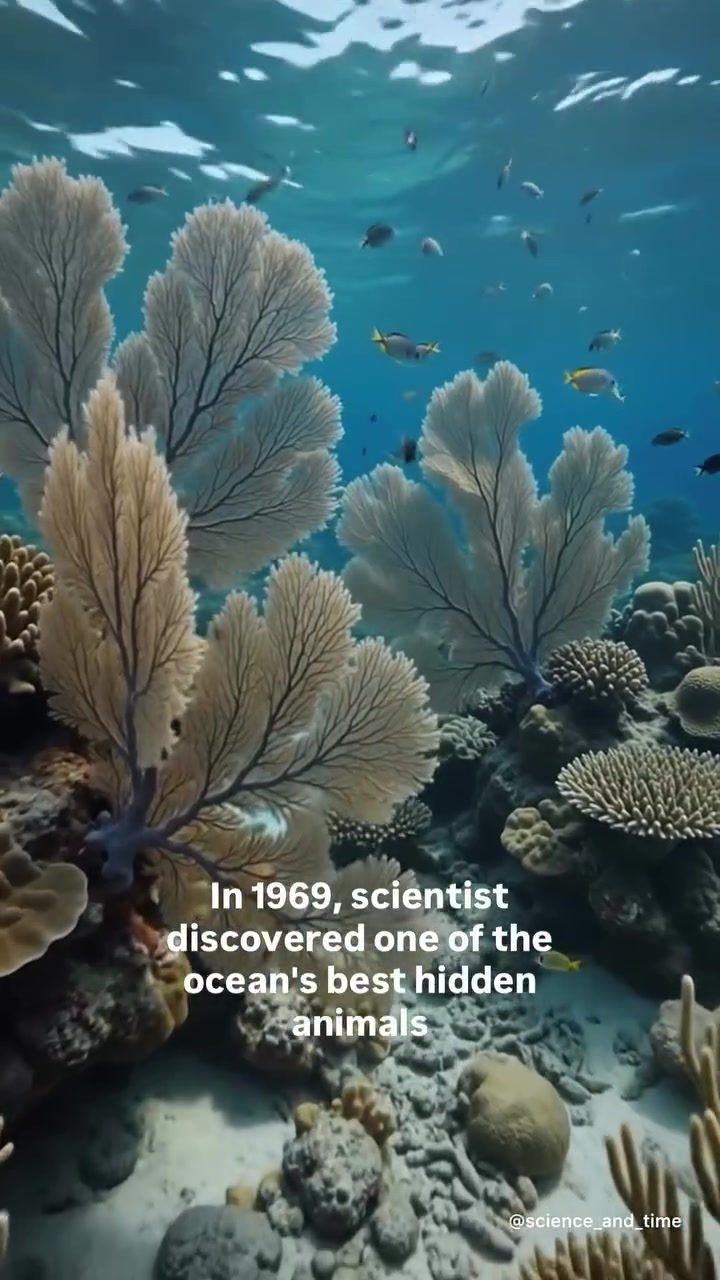
Pygmy Seahorses: Masters of Camouflage in the Ocean
The Pygmy Seahorse, one of the smallest and most elusive creatures in the ocean, has an extraordinary ability to blend seamlessly into its surroundings. At just 1-2 centimeters long, these tiny seahorses spend their entire lives clinging to sea fans and corals, where their bodies develop distinctive bumps and colors that mimic their surroundings. This camouflage makes them nearly invisible to predators, a remarkable adaptation that ensures their survival in the vast and often unforgiving ocean.
Why This Matters
The Pygmy Seahorse's unique adaptation offers insights into the intricate ways marine life has evolved to survive in the ocean. Understanding these adaptations can provide valuable knowledge about marine ecosystems, biodiversity, and the importance of coral reefs. These seahorses' ability to blend in perfectly with their environment highlights the delicate balance of marine life and the critical role that camouflage plays in survival.
The Life of a Pygmy Seahorse
Early Life and Camouflage Development
After birth, only a few juvenile Pygmy Seahorses find a sea fan to settle on. As they grow, their bodies gradually develop pigment cells and skin textures that match the color and texture of the coral. This process doesn't happen instantly; it takes time for the pigment cells to align with the coral's characteristics, creating a perfect camouflage. This adaptation is crucial for their survival, as it helps them evade predators that might otherwise easily spot them.
Feeding and Survival
Pygmy Seahorses have a unique feeding strategy. They wait for tiny drifting animals and then quickly suck them in, using their strong tails to stay anchored even in powerful ocean currents. This method allows them to feed without leaving the safety of their coral home, further enhancing their survival chances.
Reproduction and Parenting
Once a year, Pygmy Seahorses leave their hiding places for a special reason: to perform a delicate dance to choose the perfect mate. After mating, the female places her eggs inside the male's brooding pouch. The male then gives birth to dozens of tiny babies, which are released into the ocean currents. Unfortunately, most of these babies won't survive, but those that do will slowly become part of the coral, following the same camouflage development process as their parents.
Practical Tips for Observing Pygmy Seahorses
Observing Pygmy Seahorses in their natural habitat can be challenging due to their exceptional camouflage. Here are some practical tips to increase your chances of spotting one:
-
Use a Magnifying Glass or Underwater Camera: Given their small size, using magnification tools can help you spot these tiny seahorses more easily.
-
Look for Sea Fans and Corals: Pygmy Seahorses are often found clinging to sea fans and corals, so focusing your search on these areas can increase your chances of spotting one.
-
Be Patient and Quiet: Pygmy Seahorses are easily startled. Move slowly and quietly to avoid scaring them away.
-
Use Polarized Sunglasses: These can help reduce glare and make it easier to see the seahorses against the coral background.
Importance of Coral Reefs
The survival of Pygmy Seahorses is intrinsically linked to the health of coral reefs. Coral reefs provide the necessary habitat and camouflage for these seahorses to thrive. If the coral dies, the seahorses' home disappears, and they become vulnerable to predators. This highlights the importance of conserving coral reefs and understanding the delicate balance of marine ecosystems.
Important Takeaways
-
Camouflage Mastery: Pygmy Seahorses are masters of camouflage, developing pigment cells and skin textures that match the coral they live on. This makes them nearly invisible to predators.
-
Unique Feeding Method: They wait for tiny drifting animals and quickly suck them in, using their strong tails to stay anchored.
-
Reproductive Behavior: Pygmy Seahorses perform a delicate dance to choose mates and the male gives birth to dozens of tiny babies, which are then released into the ocean currents.
-
Importance of Coral Reefs: The survival of Pygmy Seahorses is dependent on the health of coral reefs, making conservation efforts crucial for their continued existence.
Conclusion
The Pygmy Seahorse is a fascinating example of nature's incredible adaptations. Their ability to blend in perfectly with their surroundings, unique feeding methods, and reproductive behaviors make them one of the ocean's most intriguing creatures. Observing these tiny seahorses requires patience and the right techniques, but the effort is well worth it to witness nature's camouflage at its finest. Understanding and appreciating these adaptations can deepen our respect for the delicate balance of marine life and the importance of conserving our oceans.
Watch the Reel
Questions readers ask
How do Pygmy Seahorses achieve their remarkable camouflage?
Pygmy Seahorses mimic the texture and color of their coral habitats with precise detail. They develop distinctive bumps and colors on their bodies that match their surroundings, making them nearly invisible to predators and ensuring their survival.
What is the size of a Pygmy Seahorse?
Pygmy Seahorses are incredibly small, measuring only 1-2 centimeters in length. This makes them about the size of a grain of rice, one of the smallest creatures in the ocean.
Where do Pygmy Seahorses typically live?
Pygmy Seahorses spend their entire lives clinging to sea fans and corals. These specific habitats provide the necessary cover and resources for their survival, as well as the perfect backdrop for their camouflage.
Why is the camouflage of Pygmy Seahorses important for their survival?
The incredible camouflage of Pygmy Seahorses is crucial for their survival as it helps them avoid predators. By blending seamlessly into their surroundings, they become nearly invisible, reducing the risk of being detected and attacked.
How does the Pygmy Seahorse's camouflage benefit our understanding of marine life?
Studying the Pygmy Seahorse's unique adaptation provides valuable insights into how marine life has evolved to survive in the ocean. It highlights the intricate balance of marine ecosystems and the importance of coral reefs in supporting diverse and thriving marine life.
What are the primary predators of Pygmy Seahorses?
Due to their exceptional camouflage, Pygmy Seahorses have fewer natural predators. However, they can still be preyed upon by larger fish and other marine creatures that might spot them despite their disguise. Their camouflage is a critical defense mechanism in the vast and often unforgiving ocean environment.
Related deep dives
Similar reads based on topic and creator.



Recent articles
Fresh deep dives from the latest Reels we unpacked.



Comments
Be the first to comment.