Crazy Animal Facts
The animal kingdom is a treasure trove of extraordinary behaviors and adaptations that often seem like they belong in a science fiction novel. These unique traits are the result of millions of years of evolution, enabling species to thrive in environments ranging from icy oceans to dense forests.
Why This Matters
Understanding these remarkable adaptations provides insight into the incredible diversity of life on Earth. Each species has developed unique survival strategies that highlight the beauty and complexity of nature. These facts not only captivate the imagination but also underscore the importance of conservation efforts to protect these remarkable creatures and their habitats.
The Incredible Moose
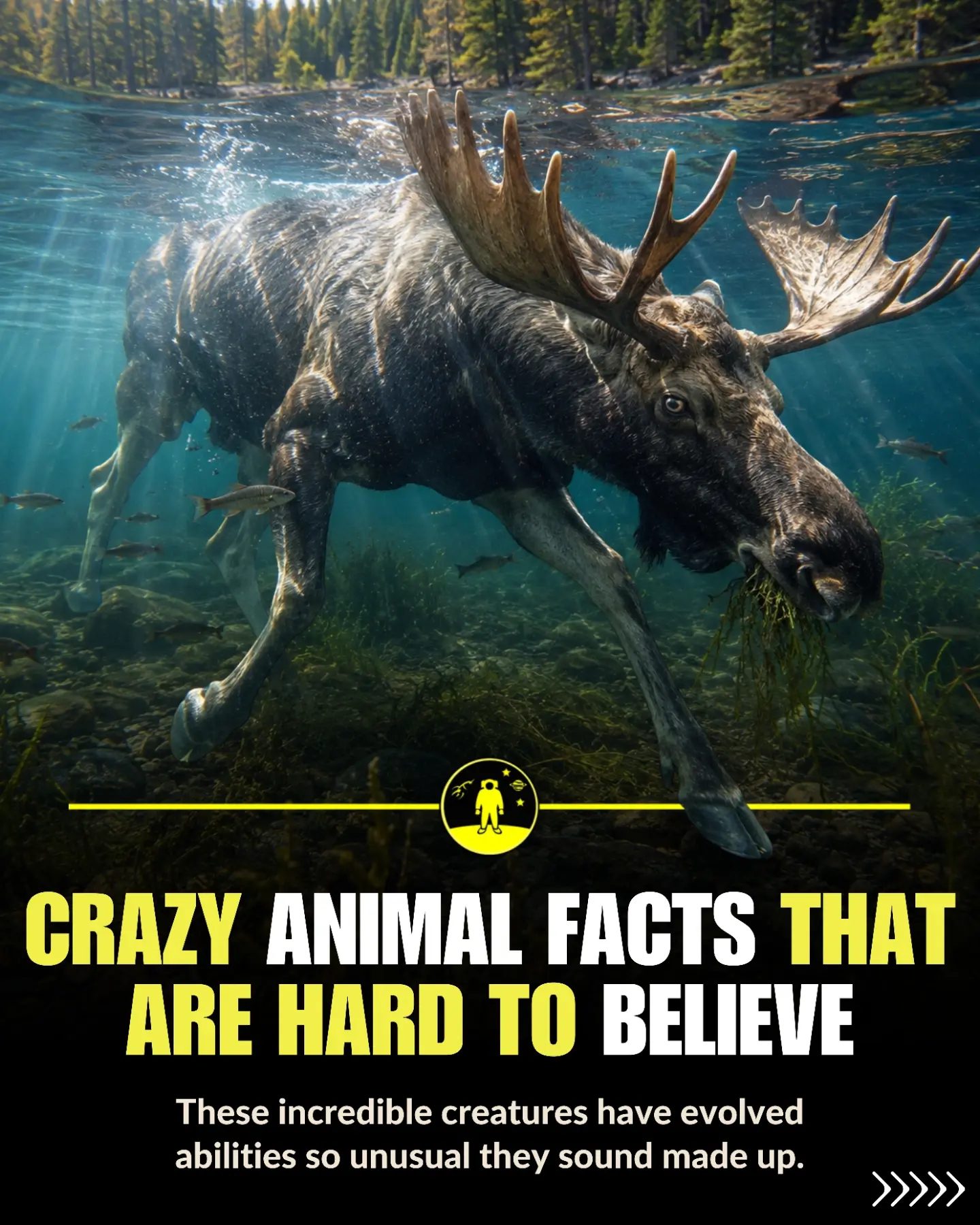
Moose are known for their impressive size and strength, but their aquatic abilities are equally astounding. Moose can dive up to 18 feet underwater, holding their breath for around 30 seconds while searching for nutrient-rich aquatic plants. This adaptation allows them to access a vital food source that other herbivores cannot reach.
Diving for Food
The moose's ability to dive underwater is a testament to its remarkable physiological adaptations. Moose have a unique set of features that enable them to hold their breath for extended periods. Their large lungs and efficient oxygen exchange systems allow them to spend more time underwater without the need to surface for air frequently.
Underwater Feeding
The aquatic plants moose consume are rich in nutrients, providing essential energy and minerals. These plants are often found in deeper waters, making the moose's diving skills crucial for survival. This unique feeding behavior showcases the moose's adaptability and resourcefulness in utilizing different environments for sustenance.
Orcas and Their Hunting Techniques
Orcas, also known as killer whales, are apex predators renowned for their intelligence and complex hunting strategies. Some orca populations have developed a specialized technique to hunt great white sharks, a species that is typically one of the ocean's top predators.
Coordinated Hunting Strategies
Orcas work in coordinated groups to flip great white sharks upside down, temporarily paralyzing them. This remarkable tactic exploits the shark's physiological weakness: when flipped, the shark becomes immobile due to the disruption of its lateral line, a sensory organ crucial for balance and movement. Once paralyzed, the orcas can efficiently remove the shark's nutrient-rich liver, a prized part of the prey.
Nutrient-Rich Prey
The orcas' focus on the liver of great white sharks is strategic. The liver is a nutrient-dense organ, providing a rich source of energy and essential nutrients. This selective hunting technique not only satisfies the orcas' nutritional needs but also highlights their sophisticated understanding of their prey's anatomy and biology.
Butterflies and Their Sensory Abilities
Butterflies are not just visually stunning; they also possess unique sensory capabilities. These delicate creatures can "taste" flowers before deciding where to feed or lay eggs. This ability is facilitated by specialized sensors on their feet.
Sensory Feet
The butterflies' sense of taste is essential for their survival. The specialized sensors on their feet allow them to detect whether a flower is a suitable source of nectar. This ability ensures that they can efficiently gather food and energy, which is crucial for their reproductive success.
Choosing the Right Spot
The ability to "taste" flowers is also important for egg-laying. Butterflies lay their eggs on specific plants that serve as food for their caterpillars. By using their sensory feet, they can choose the most nutritious and suitable plants, ensuring the survival of their offspring.
Hummingbirds: Masters of Flight
Hummingbirds are often referred to as nature's tiny acrobats. Their extraordinary flight capabilities are due to unique adaptations that enable them to hover and fly backward. This remarkable agility is a result of their specialized shoulder joints and incredibly fast wingbeats.
Unique Shoulder Joints
Hummingbirds have a unique shoulder joint structure that allows for a wide range of motion. This flexibility enables them to perform complex aerial maneuvers, such as hovering in mid-air and flying backward. This extraordinary agility is essential for their survival, as it allows them to access nectar from flowers and evade predators.
Fast Wingbeats
Hummingbirds have incredibly fast wingbeats, which can reach up to 80 times per second. This rapid movement generates the lift needed to hover and fly with precision. Their high metabolic rate and efficient respiratory system support this demanding flight style, making them one of the most agile and adaptable birds in the world.
Greenland Sharks: The Ancient Swimmers
Greenland sharks are known for their incredibly slow growth rate, which allows them to live for centuries. This slow growth and long lifespan make them one of the longest-lived vertebrates ever discovered.
Slow Growth
Greenland sharks grow at an incredibly slow pace, adding only about 1 centimeter to their length each year. This slow growth rate, combined with their cold-water habitat, contributes to their exceptional longevity. Some individuals are believed to have lived for over 400 years, making them some of the oldest living animals on the planet.
Habitat Adaptation
Greenland sharks thrive in the cold waters of the Arctic and North Atlantic Oceans. Their slow metabolism and low activity levels are adaptations to their cold, nutrient-poor environment. These adaptations enable them to survive in conditions that would be inhospitable to many other species.
Practical Tips for Learning More
For those eager to delve deeper into the fascinating world of animal adaptations, several practical steps can be taken. Engaging with wildlife documentaries, visiting natural history museums, and joining local wildlife conservation groups are all great ways to expand your knowledge.
Wildlife Documentaries
Documentaries provide an immersive look into the lives of different animal species. They often feature high-quality footage and expert commentary, offering valuable insights into the behaviors and adaptations of various creatures.
Natural History Museums
Visiting natural history museums allows for a hands-on exploration of animal adaptations. Museums often have exhibits that showcase the diverse ways in which animals have evolved to survive in their respective environments.
Conservation Groups
Joining local wildlife conservation groups can provide firsthand experience and knowledge about actual conservation efforts. These groups often engage in activities such as habitat restoration, animal monitoring, and public education, offering a deeper understanding of the challenges and successes in wildlife preservation.
Important Takeaways
The animal kingdom is a testament to the wonders of evolution and adaptation. From moose diving underwater to orcas executing coordinated hunting strategies, each species has developed unique survival tactics that are both amazing and essential for their survival. Understanding these adaptations not only deepens our appreciation for wildlife but also underscores the importance of conservation efforts to protect these incredible creatures and their habitats.
The more we learn about the natural world, the more we realize how interconnected and interconnected life is. The extraordinary adaptations of animals serve as a reminder of the intricate balance of ecosystems and the need to preserve biodiversity for future generations.
Conclusion
The animal kingdom never ceases to amaze with its incredible adaptations and behaviors. Whether it's the moose's underwater diving skills, the orcas' strategic hunting techniques, the butterflies' sensory abilities, the hummingbirds' flight prowess, or the Greenland sharks' longevity, each species showcases the marvels of evolution. By exploring these extraordinary facts, we gain a deeper appreciation for the diversity and resilience of life on Earth and the importance of protecting these remarkable creatures.
Watch the Reel
Questions readers ask
What are some unique underwater foraging techniques used by animals?
Many animals have developed remarkable underwater foraging techniques to thrive in aquatic environments. For instance, moose can submerge their heads to reach underwater plants, while great white sharks use a unique hunting strategy. They launch themselves at high speeds from below to surprise their prey, leveraging their streamlined bodies and powerful tails.
How do orcas hunt and what makes their techniques sophisticated?
Orcas, also known as killer whales, are known for their sophisticated hunting techniques. They often work in coordinated pods to herd and disorient prey, such as seals and even large whales. Their methods include using waves to wash prey off ice floes and striking their tails against the water to stun fish. This cooperation and strategic planning make their hunting techniques particularly impressive.
What adaptations do marine animals have that help them survive in their environments?
Marine animals have developed a variety of adaptations to thrive in their environments. For example, orcas have a layer of blubber to keep them warm in cold waters, while great white sharks possess specialized senses to detect the electrical fields generated by the muscle contractions of their prey. These adaptations allow them to navigate and survive in their respective habitats effectively.
How do animals adapt to different environments, such as icy oceans and dense forests?
Animals adapt to different environments through a variety of physical and behavioral traits. For instance, moose have long legs to navigate through deep snow and dense forests, while orcas have streamlined bodies and powerful tails to move swiftly through icy oceans. These adaptations are crucial for their survival in challenging environments.
What are some of the most incredible animal traits that showcase the diversity of life on Earth?
The animal kingdom is filled with incredible traits that highlight its diversity. For example, the moose's ability to forage underwater and the orca's sophisticated hunting techniques are just a couple of amazing adaptations. These traits not only showcase the complexity of life but also underscore the importance of preserving these remarkable species and their habitats.
What are some of the key benefits of understanding animal adaptations?
Understanding animal adaptations offers numerous benefits. It provides insight into the remarkable strategies animals use to survive and thrive in their environments. This knowledge can inspire innovative solutions in various fields, such as engineering and medicine, and it emphasizes the need for conservation efforts to protect these extraordinary species.
Related deep dives
Similar reads based on topic and creator.




Recent articles
Fresh deep dives from the latest Reels we unpacked.




Comments
Be the first to comment.