Bird Migration
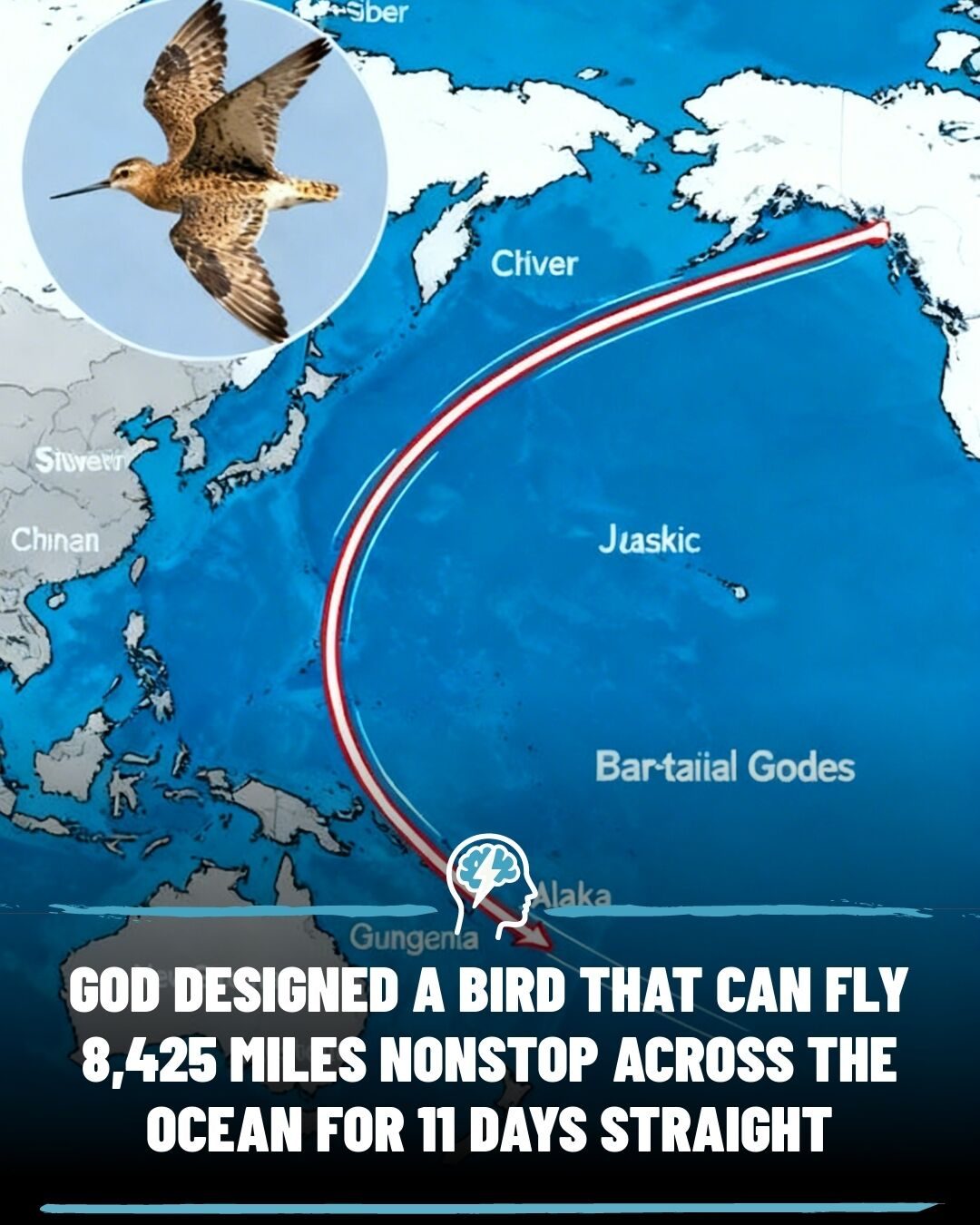
The journey of a juvenile Bar-tailed Godwit known as "234684" is a testament to the extraordinary capabilities of avian migration. In October 2022, this five-month-old bird flew an astonishing 8,425 miles from Alaska to Tasmania without stopping, eating, or resting. This remarkable feat took 11 days and one hour, making it the longest nonstop flight ever recorded by any animal on Earth. The flight path stretched across the Pacific Ocean, showcasing the bird's incredible endurance and navigational skills.
Why This Matters
Bird migration is not just a fascinating phenomenon; it plays a crucial role in ecosystems and ecological balance. Understanding the mechanisms behind such migrations can provide insights into animal behavior, physiology, and even our own human explorations. The Bar-tailed Godwit's journey is a case study in resilience and adaptation, illustrating how nature's design can push the boundaries of what we perceive as possible.
Main Discussion
The Journey
The journey of the Bar-tailed Godwit is a marvel of endurance. To complete the 8,425-mile flight, the bird endured constant flapping without any gliding or coasting. This continuous flapping is essential, as it allows the bird to maintain altitude and navigate through varying weather conditions.
The remarkable distance and duration of the flight raise questions about the bird's internal mechanisms. Research has shown that migratory birds undergo significant physical transformations to prepare for such journeys.
Preparation and Transformation
Before embarking on their migration, Bar-tailed Godwits undergo a series of physiological changes. Their internal organs, including the digestive system, shrink significantly to accommodate the storage of fat. This fat serves as the primary fuel source during the long flight. By the time the bird lands, it may have lost more than half of its body weight, primarily due to the burning of stored fat.
Navigational Skills
One of the most astonishing aspects of this migration is the bird's navigational prowess. The juvenile Bar-tailed Godwit, despite being on its first migration attempt, demonstrated an innate ability to navigate accurately. This suggests that the navigation skills are encoded in the birds' DNA, allowing them to find their way across vast distances with pinpoint accuracy.
Tracking and Research
The entire journey of "234684" was meticulously tracked using a satellite transmitter. Researchers, including wildlife biologist Dan Ruthrauff from the USGS Alaska Science Center, documented every moment of this incredible feat. The data collected not only confirmed the record-breaking flight but also provided valuable insights into the bird's behavior and physiology during migration. The findings were officially recognized by Guinness World Records, cementing the Bar-tailed Godwit's accomplishment in the annals of natural history.
Practical Tips
While the journey of the Bar-tailed Godwit is an extraordinary feat of nature, it offers several practical insights and inspiration for human endeavors.
Planning and Preparation
The bird's meticulous preparation before migration underscores the importance of thorough planning and preparation for any long journey. For humans, this translates to ensuring that all necessary resources and supplies are in place well before embarking on a significant endeavor.
Endurance and Perseverance
The relentless flight of the Bar-tailed Godwit is a lesson in perseverance. No matter the obstacles, the bird maintained a continuous flapping flight across the vast Pacific Ocean. This perseverance can inspire humans to push through challenges with unwavering determination.
Adaptability
One of the key factors in the bird's success is its ability to adapt. The physical transformations and the utilization of stored fat are examples of how birds adapt to the demands of their migration. Humans can draw inspiration from this adaptability, emphasizing the need to be flexible and resilient in the face of changing circumstances.
Important Takeaways
- Bar-tailed Godwits undergo remarkable physical transformations to prepare for migration, including shrinking internal organs and storing fat for energy.
- The bird's navigational skills are instinctual, allowing it to navigate vast distances accurately.
- The journey of "234684" was meticulously tracked by researchers, providing valuable insights into avian migration.
- The bird's endurance and perseverance are inspiring, showcasing the potential of natural adaptation and resilience.
Conclusion
The journey of the Bar-tailed Godwit "234684" is a testament to the extraordinary capabilities of avian migration. From the physiological transformations to the navigational skills and continuous flight, this journey highlights the incredible resilience and adaptability of these birds. As we marvel at these feats, we can draw practical lessons and inspiration for our own endeavors. The natural world continues to amaze and humble us, reminding us of the wonders that exist beyond our immediate experience.
Watch the Reel
Questions readers ask
What is the significance of the juvenile Bar-tailed Godwit's flight from Alaska to Tasmania?
The flight of the juvenile Bar-tailed Godwit, named '234684,' is significant because it set a world record for the longest nonstop flight by any animal. The 8,425-mile journey highlighted the bird's remarkable endurance, navigational prowess, and ability to survive an 11-day flight without food or rest.
How did the juvenile Bar-tailed Godwit navigate such a long distance?
The bird likely used a combination of celestial cues, the Earth's magnetic field, and possibly even geographical landmarks to navigate its route across the Pacific Ocean. This journey showcased the bird's advanced navigational skills, which are crucial for long-distance migration.
Why do birds like the Bar-tailed Godwit undertake such long migrations?
Birds migrate to take advantage of seasonal resources such as food and breeding grounds. This long journey from Alaska to Tasmania ensures the juvenile Bar-tailed Godwit can access essential resources needed for survival and breeding. The migration also allows the birds to avoid harsh weather conditions and predators in their breeding and non-breeding grounds.
What challenges does a juvenile bird face during such a long nonstop flight?
During an 11-day nonstop flight, a juvenile bird faces numerous challenges, including maintaining energy levels without food, staying hydrated, and dealing with the physiological stress of long-distance travel. The flight also requires navigating accurately and avoiding predators and other obstacles.
How does the Bar-tailed Godwit's flight compare to other bird migrations?
The Bar-tailed Godwit's flight from Alaska to Tasmania is notable for its unprecedented distance and duration. While many birds undertake long migrations, the nonstop nature of this flight and the fact that it was completed by a juvenile bird make it exceptional. This journey surpasses the distances and durations recorded in other well-known migratory routes.
How does the Bar-tailed Godwit prepare for such a long journey?
Before embarking on its journey, the Bar-tailed Godwit likely builds up significant fat reserves to fuel its flight. This fat is crucial for sustaining the bird during the 11-day nonstop travel without food. The bird also relies on its genetic programming and instincts honed over generations of migration.
What can we learn from the Bar-tailed Godwit's incredible flight?
The Bar-tailed Godwit's flight offers valuable insights into animal physiology, behavior, and navigation. By studying this extraordinary journey, researchers can gain a deeper understanding of how birds manage long-distance travel, which can also provide useful knowledge for human exploration and technological advancements in navigation and endurance.
Related deep dives
Similar reads based on topic and creator.




Recent articles
Fresh deep dives from the latest Reels we unpacked.




Comments
Be the first to comment.