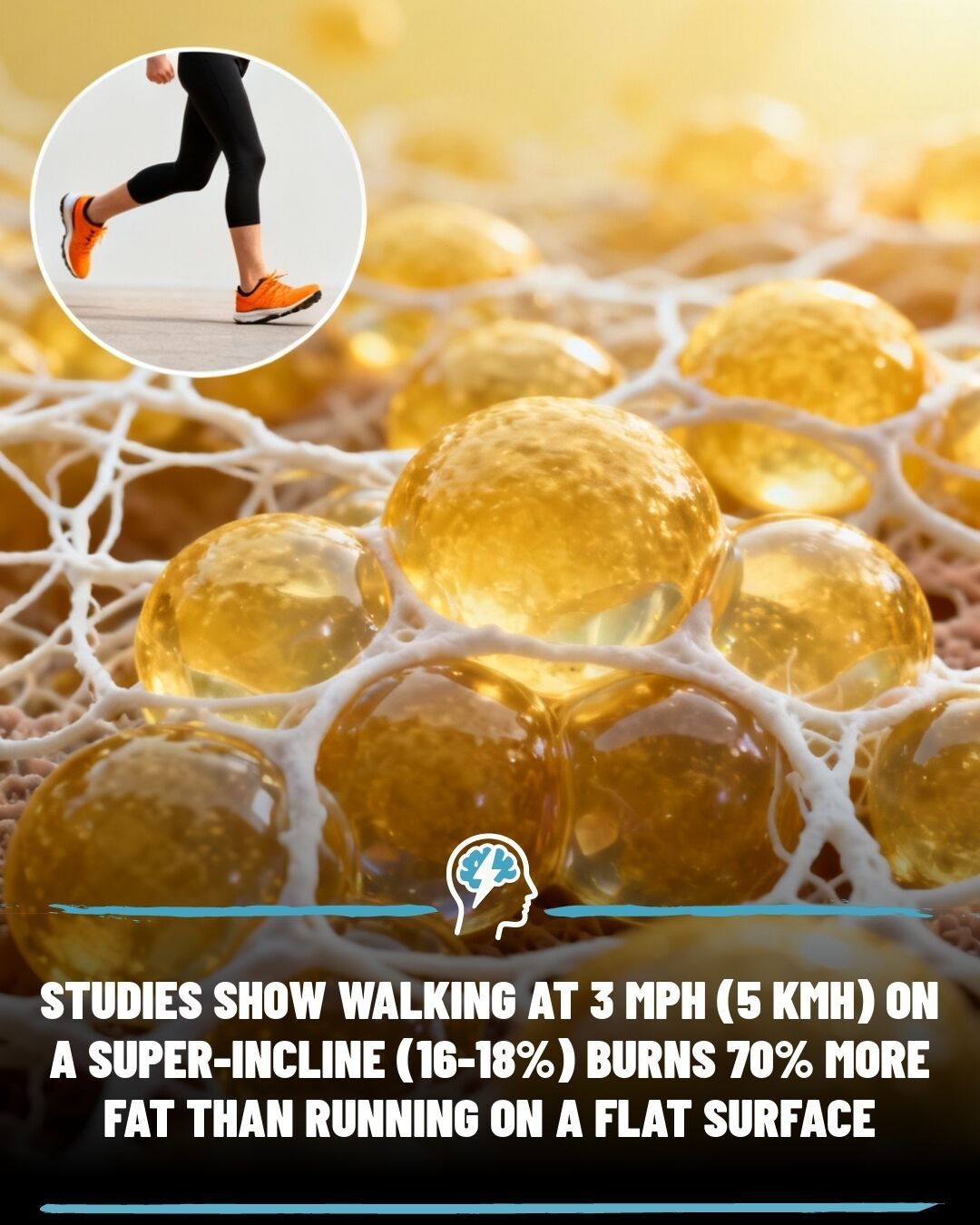
Incline Walking: A Powerful Tool for Fat Burning
Incline walking has gained significant attention, particularly with the rise of workouts like the 12-3-30 trend. But what does the science actually say about its effectiveness for fat burning? Recent studies provide compelling evidence that incline walking can be a highly effective method for increasing fat burn, often outperforming even running on flat surfaces.
Why This Matters
Incline walking offers a lower-impact alternative to traditional cardio exercises like running. This makes it particularly appealing for those who want to minimize stress on their joints while still achieving significant fat-burning benefits. Understanding the science behind incline walking can help you make informed decisions about incorporating it into your fitness routine.
Main Discussion
The Science Behind Incline Walking
A study published in the Journal of Biomechanics revealed that walking at a speed of 3 mph (5 km/h) on a super-incline (16-18%) can increase energy expenditure by around 70% compared to running on flat ground. Even a modest 5% incline can boost calorie burn by roughly 50% compared to flat walking. This significant increase in energy expenditure is due to the heightened demand placed on your leg and hip muscles, particularly your calves and thighs.
How Your Body Responds
When you walk uphill, your muscles have to work much harder to lift your body weight against gravity. This increased muscular demand elevates your metabolic rate, causing your body to burn more calories. Interestingly, incline walking typically keeps your heart rate in a moderate zone, around 65 to 75 percent of your maximum. At this intensity, your body preferentially uses fat as fuel rather than carbohydrates.
Comparing Incline Walking to Running
Research from the International Journal of Exercise Science found that incline walking at a 12% incline burned 40% of calories from fat, compared to 33% for running at a matched total calorie expenditure. This means that incline walking can burn roughly 7% more fat proportionally. While both incline walking and running have their benefits, incline walking may be a better choice for those looking for a lower-impact exercise that still effectively burns fat.
Incline Walking vs. Flat Walking
Walking on a flat surface is undoubtedly beneficial, but adding an incline can significantly enhance its fat-burning potential. The increased effort required to walk uphill forces your body to work harder, leading to a higher calorie burn and a more effective fat-burning workout. This makes incline walking a valuable addition to any fitness routine, especially for those aiming to lose weight or improve cardiovascular health.
Practical Tips
Getting Started with Incline Walking
- Choose the Right Incline: Start with a modest incline, such as 5%, and gradually increase it as your fitness level improves. This will help you build a strong foundation and avoid injury.
- Maintain Proper Form: Keep your posture upright, engage your core, and swing your arms naturally. Proper form is crucial for maximizing the benefits of incline walking and preventing discomfort.
- Gradually Increase Duration and Incline: As you become more comfortable with incline walking, increase the duration of your workouts and the incline percentage. This progressive approach will help you continue to see improvements in your fitness and fat-burning capabilities.
Incorporating Incline Walking into Your Routine
- Combine with Strength Training: Pair incline walking with strength training exercises to build muscle and increase your overall metabolic rate.
- Add Intervals: Incorporate intervals of higher incline or speed into your walks to challenge your body and boost calorie burn.
- Stay Consistent: Consistency is key when it comes to seeing results. Aim to include incline walking in your routine at least 2-3 times per week.
Important Takeaways
- Incline walking can be a highly effective method for burning fat, often outperforming running on flat surfaces.
- The increased muscular demand from walking uphill elevates your metabolic rate, causing your body to burn more calories and preferentially use fat as fuel.
- Incline walking offers a lower-impact alternative to traditional cardio exercises, making it a great option for those with joint issues or those looking to minimize impact.
- The best choice between incline walking and running depends on your goals, fitness level, and joint health. Both forms of exercise offer unique benefits.
Conclusion
Incline walking is a powerful tool for those looking to burn fat and improve their overall fitness. With its significant calorie-burning potential and lower-impact nature, incline walking can be an excellent addition to any exercise routine. By understanding the science behind it and incorporating practical tips, you can maximize the benefits of incline walking and achieve your fitness goals.
Watch the Reel
Questions readers ask
How does incline walking compare to running in terms of fat burn?
Incline walking can be more effective for fat burn than running on flat surfaces. Recent studies show that incline walking increases energy expenditure and promotes fat loss, often outperforming traditional running routines.
Is incline walking a good option for those with joint issues?
Yes, incline walking is an excellent choice for individuals with joint issues. It provides a lower-impact alternative to running, reducing stress on joints while still offering significant fat-burning benefits.
What are the key benefits of incline walking?
Incline walking offers several benefits, including increased calorie burn, improved cardiovascular health, and enhanced muscle tone, particularly in the lower body. It also provides a higher-intensity workout compared to flat walking.
How does incline walking impact overall weight loss?
Incline walking can significantly contribute to weight loss by increasing your metabolic rate and promoting fat loss. Incorporating incline walking into your routine can help you burn more calories and achieve your weight loss goals more effectively.
What is the 12-3-30 workout and how does it relate to incline walking?
The 12-3-30 workout is a popular trend that involves walking on an incline of 12% at a speed of 3 mph for 30 minutes. This workout is designed to maximize calorie burn and fat loss through incline walking, making it a popular choice for those looking to enhance their fitness routine.
Does incline walking burn more calories than power walking on flat surfaces?
Yes, incline walking typically burns more calories than power walking on flat surfaces. The increased incline requires more effort from your muscles, leading to a higher calorie burn and increased fat loss.
Can incline walking be as effective as running for cardiovascular health?
Incline walking can be just as effective as running for improving cardiovascular health. It provides a high-intensity workout that elevates your heart rate, improves circulation, and strengthens your heart, all while being gentler on your joints.
Related deep dives
Similar reads based on topic and creator.



Recent articles
Fresh deep dives from the latest Reels we unpacked.




Comments
Be the first to comment.