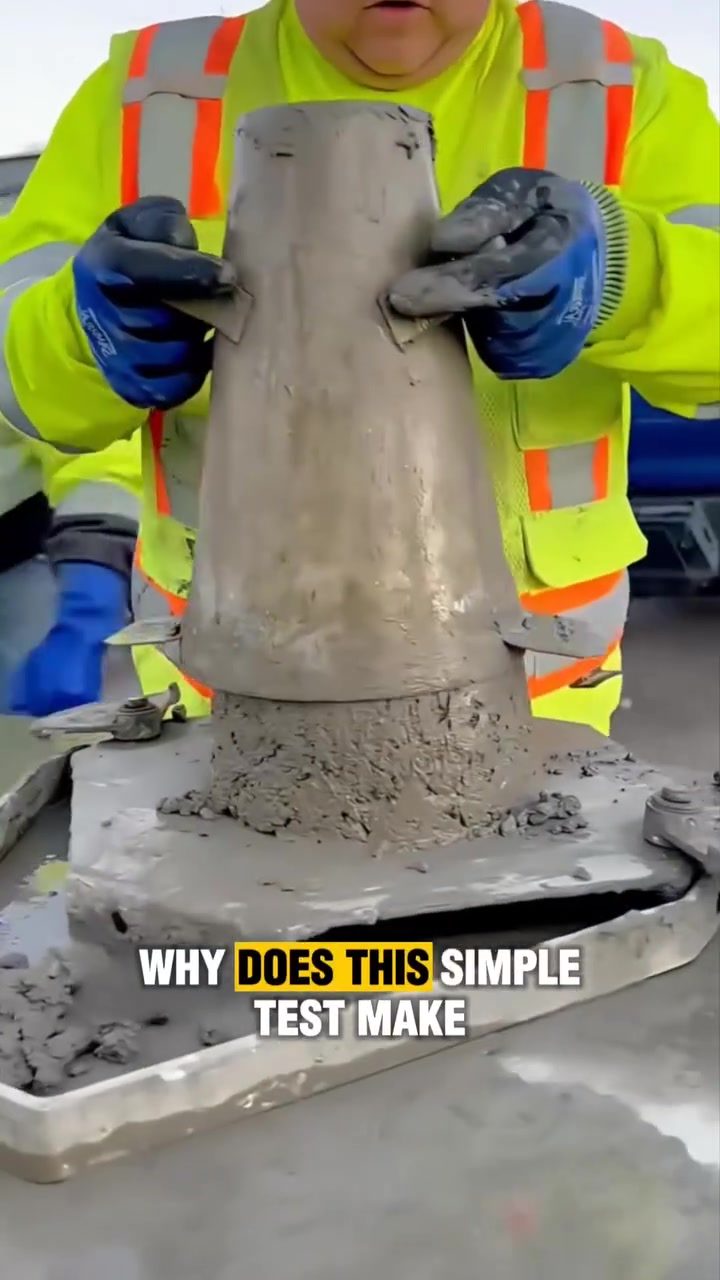
Concrete Testing: The Crucial Slump Flow Test for Contractors
Concrete is a fundamental material in construction, and ensuring its quality is paramount for the safety and durability of structures. Contractors rely on various tests to determine the suitability of concrete for specific applications. One such critical test is the slump flow test. This test is a simple yet crucial step that can save contractors from costly mistakes and potential structural issues down the line.
Why This Matters
The slump flow test is essential for contractors because it directly impacts the quality and longevity of the concrete used in construction projects. A failed test can result in the rejection of an entire truckload of concrete, which can be worth thousands of dollars. This test helps ensure that the concrete mix is correct, preventing serious structural problems that could arise years down the road.
The Slump Flow Test: What It Is and Why It's Important
Understanding the Slump Flow Test
The slump flow test is a straightforward procedure that involves pouring freshly mixed concrete into a cone-shaped mold. The mold is then lifted straight up, allowing the concrete to flow out. The behavior of the concrete as it settles reveals crucial information about its consistency and quality. If the concrete settles slowly while holding its shape, it is considered good to use. However, if the concrete forms a puddle or the gravel separates from the cement paste, the entire batch may be rejected.
The Importance of Water Ratio
The water-to-cement ratio is a critical factor in determining the quality of concrete. Many beginners make the mistake of thinking that stiff concrete just needs more water. While adding water might improve the flow, it significantly weakens the concrete. This can lead to increased risks of cracking and a reduced lifespan for the structure. Therefore, it is crucial to maintain the correct water ratio to ensure the concrete's structural integrity.
Consequences of a Failed Test
A failed slump flow test can have severe consequences. If the concrete does not pass the test, it indicates that the mix is incorrect. This can result in the rejection of the entire batch, leading to financial losses and delays in the construction project. Contractors must ensure that every truckload of concrete passes this test before pouring begins to avoid these issues.
Practical Tips for Conducting the Slump Flow Test
Preparing the Concrete Mix
Before conducting the slump flow test, it is essential to prepare the concrete mix correctly. Ensure that the ingredients are measured accurately and mixed thoroughly. The water-to-cement ratio should be within the recommended range to achieve the desired consistency.
Conducting the Test
- Pour the Concrete: Pour the freshly mixed concrete into a cone-shaped mold.
- Lift the Mold: Lift the mold straight up and allow the concrete to flow out.
- Observe the Flow: Watch how the concrete settles. If it settles slowly and holds its shape, the mix is good. If it forms a puddle or the gravel separates, the batch may need to be rejected.
Interpreting the Results
- Good Concrete: If the concrete settles slowly and maintains its shape, it is suitable for use.
- Poor Concrete: If the concrete forms a puddle or the gravel separates from the cement paste, the batch is likely to be rejected.
Common Mistakes to Avoid
- Adding Too Much Water: Avoid adding excess water to the mix, as it can weaken the concrete and increase the risk of cracking.
- Inconsistent Mixing: Ensure that the concrete is mixed thoroughly to achieve a uniform consistency.
- Inaccurate Measurements: Measure the ingredients accurately to maintain the correct water-to-cement ratio.
Important Takeaways
- The slump flow test is a simple yet crucial procedure for determining the quality of concrete.
- The correct water-to-cement ratio is essential for the structural integrity of the concrete.
- A failed test can result in the rejection of an entire batch, leading to financial losses and project delays.
- Proper preparation and accurate measurements are key to conducting a successful slump flow test.
Conclusion
The slump flow test is an indispensable tool for contractors to ensure the quality of concrete. By understanding and correctly performing this test, contractors can prevent costly mistakes and structural issues. Maintaining the correct water-to-cement ratio and following best practices for mixing and testing concrete are essential for the success of any construction project. With careful attention to these details, contractors can ensure that their structures are durable, safe, and long-lasting.
Watch the Reel
Questions readers ask
What exactly is a slump test?
A slump test is a basic procedure to measure the consistency of fresh concrete. It helps ensure the concrete is workable and suitable for the intended application. The test involves filling a cone-shaped mold with concrete and then measuring the vertical displacement of the concrete when the mold is removed. This displacement is called the 'slump'.
Why is the water-to-cement ratio important in a slump flow test?
The water-to-cement ratio is crucial because it directly affects the strength and durability of the concrete. Too much water can weaken the concrete, while too little can make it difficult to work with. The slump flow test helps contractors determine if the ratio is appropriate for the specific job requirements.
What happens if a slump flow test fails?
If a slump flow test fails, it indicates that the concrete's consistency is not suitable for the intended use. This can lead to structural issues and may result in the rejection of the entire batch, which can be costly for contractors. If a test fails, the concrete should typically be returned or remixed to achieve the desired consistency.
How can contractors ensure consistent results in a slump flow test?
To ensure consistent results, contractors should follow the standard slump flow test procedure carefully, ensuring the concrete is properly mixed and handled. Using clean and dry equipment, filling the mold evenly and without overfilling it, and lifting the mold vertically and steadily are key steps.
What should contractors do after a successful slump flow test?
After a successful slump flow test, contractors can proceed with confidence that the concrete meets the required consistency for the job. They should continue to monitor the concrete for any changes in consistency and ensure proper placement and curing to maintain its quality. Regular testing throughout the pour is recommended.
Recent articles
Fresh deep dives from the latest Reels we unpacked.




Comments
Be the first to comment.