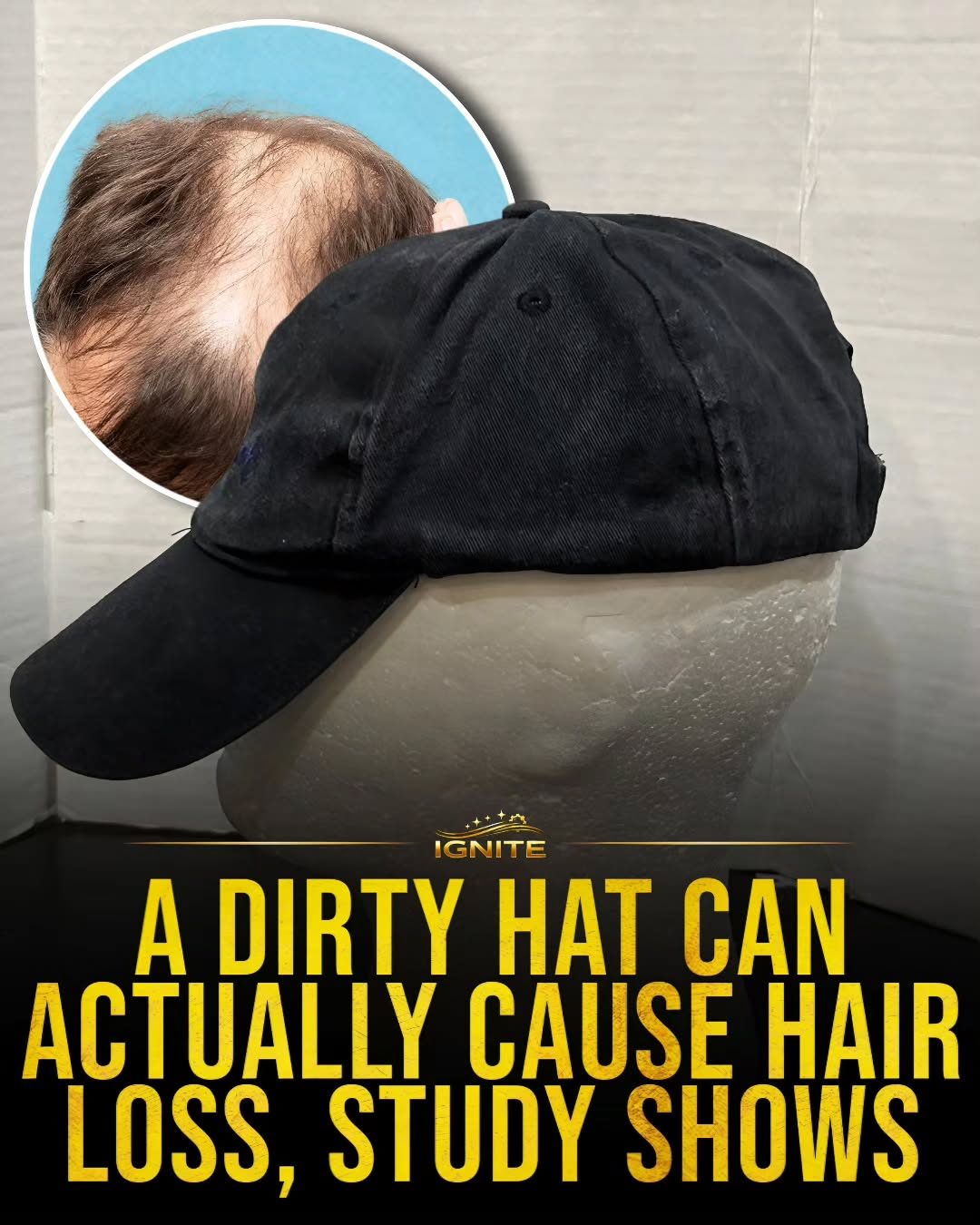
Hat Hygiene and Hair Loss
It's easy to overlook the cleanliness of your hat, but recent findings suggest that maintaining good hat hygiene is crucial, particularly for those concerned about hair loss. IGNITE, a brand known for its insights into health and wellness, has highlighted a study showing that a dirty hat can contribute to hair loss.
Why this Matters
Hair loss is a common concern for many, and understanding the factors that contribute to it can help mitigate the issue. While genetics and hormonal imbalances are well-known causes, environmental factors such as a dirty hat can also play a significant role. This information is particularly relevant for anyone who frequently wears headwear, especially in environments where hygiene might be compromised.
Main Discussion
The Link Between Hat Hygiene and Hair Loss
Dirty hats can harbor a variety of bacteria, fungi, and other microorganisms that thrive in the warm, moist environment created by the hat and scalp. These pathogens can irritate the scalp, leading to inflammation and potentially disrupting the hair growth cycle. Over time, chronic inflammation and irritation can weaken hair follicles, causing hair to become thinner and eventually fall out. The study cited by IGNITE emphasizes the importance of regular hat cleaning to prevent the buildup of these harmful microorganisms.
Types of Hats and Their Hygiene Challenges
Different types of hats present unique hygiene challenges. Baseball caps, for example, are often worn for extended periods and may come into contact with sweat, dirt, and oils from the scalp. These elements can accumulate in the cap's fabric, creating an ideal breeding ground for bacteria. On the other hand, winter hats made from materials like wool or fleece can trap moisture and heat, which can exacerbate the growth of fungi. Regularly cleaning these hats and allowing them to dry completely is essential for maintaining scalp health.
The Role of Sweat and Oils
Sweat and oils from the scalp can also contribute to the buildup of bacteria and fungi in hats. These substances create a moist and nutrient-rich environment that bacteria thrive in. Over time, the accumulation of these substances can clog hair follicles, leading to hair loss. Regularly washing and drying hats can help remove these buildups, maintaining a healthier scalp environment.
Preventative Measures
To maintain good hat hygiene and minimize the risk of hair loss, it's essential to clean your hats regularly. This involves washing them with mild detergent, allowing them to dry completely, and storing them in a clean, dry place. For hats that are particularly prone to bacteria and fungi, such as those worn during sporting activities, consider washing them more frequently. Additionally, using a disinfectant spray on hats between washes can help kill any lingering microorganisms.
When to Replace Your Hat
Even with regular cleaning, hats can eventually wear out and become less effective at maintaining scalp health. If you notice that your hat has become excessively dirty or is showing signs of wear and tear, it might be time to replace it. Wearing a hat that is in poor condition can increase the risk of bacteria and fungi buildup, leading to scalp irritation and hair loss.
Practical Tips
- Wash Your Hat Regularly: Depending on how often you wear your hat, aim to wash it every few weeks. Use a mild detergent and warm water to thoroughly clean the fabric.
- Allow it to Dry Completely: After washing, ensure your hat dries completely to prevent the growth of bacteria and fungi. You can place it in a well-ventilated area or use a towel to speed up the drying process.
- Store Properly: Keep your hat in a clean, dry place when not in use. Avoid storing it in a humid or damp area, as this can encourage the growth of microorganisms.
- Use a Disinfectant Spray: Between washes, use a disinfectant spray on your hat to kill any lingering bacteria and fungi. This can help maintain good hat hygiene and prevent the buildup of harmful microorganisms.
- Replace When Necessary: If your hat becomes excessively dirty or shows signs of wear and tear, consider replacing it. A clean, well-maintained hat is essential for maintaining scalp health.
Important Takeaways
Regularly cleaning and maintaining your hat can help minimize the risk of hair loss caused by bacteria and fungi. By taking simple steps such as washing your hat, allowing it to dry completely, and using a disinfectant spray, you can ensure that your hat remains clean and free from harmful microorganisms. Additionally, understanding the unique hygiene challenges posed by different types of hats can help you take the necessary precautions to maintain scalp health.
Conclusion
Maintaining good hat hygiene is essential for preventing hair loss and ensuring overall scalp health. By understanding the link between a dirty hat and hair loss, you can take proactive steps to clean and maintain your hat regularly. This will help create a healthier environment for your scalp, reducing the risk of inflammation, irritation, and hair loss.
Watch the Reel
Questions readers ask
How does a dirty hat contribute to hair loss?
A dirty hat can harbor bacteria, dirt, and oils that, when in contact with the scalp, can clog hair follicles and weaken hair strands. This can lead to increased hair shedding and, over time, noticeable hair loss. Regular cleaning can help prevent this issue.
What is the recommended frequency for cleaning hats to prevent hair loss?
The frequency of cleaning depends on how often you wear the hat and the environment. However, as a general guideline, aim to clean your hat at least once every two weeks. If you wear your hat daily or in environments with high levels of dirt or sweat, consider cleaning it more frequently.
Can any type of hat cause hair loss, or are certain styles more problematic?
Any type of hat can contribute to hair loss if it is not kept clean. However, hats that cover a larger portion of the head might be more problematic because they can trap more dirt, sweat, and oils, increasing the likelihood of clogged follicles. Baseball caps, snapbacks, and beanies are some examples of hats that may need more frequent cleaning.
What are some effective methods to clean a hat and prevent hair loss?
To clean a hat, you can hand wash it with mild detergent and warm water, or use a washing machine on a gentle cycle. Avoid using harsh chemicals or bleach, as these can damage the hat material and irritate your scalp. Always let the hat dry completely before wearing it again.
How does the IGNITE study on hats and hair loss apply to everyday life?
The IGNITE study underscores the importance of maintaining good hat hygiene. For those who frequently wear hats, it is crucial to establish a regular cleaning routine. This can help reduce the risk of hair loss by minimizing the buildup of dirt and oils on the scalp.
Are there specific environments where wearing a dirty hat poses a greater risk for hair loss?
Yes, environments with high levels of pollution, sweat, or dirt can exacerbate the problem. For instance, athletes, construction workers, or anyone involved in outdoor activities might be at a higher risk if they do not clean their hats regularly.
What should I do if I suspect my hat is causing hair loss?
If you notice increased hair shedding or thinning, start by thoroughly cleaning your hat and continue with regular cleanings. If the problem persists, consult a dermatologist, as there may be other underlying causes. Maintaining good hat hygiene is a preventive measure and should be part of your regular grooming routine.
Recent articles
Fresh deep dives from the latest Reels we unpacked.




Comments
Be the first to comment.