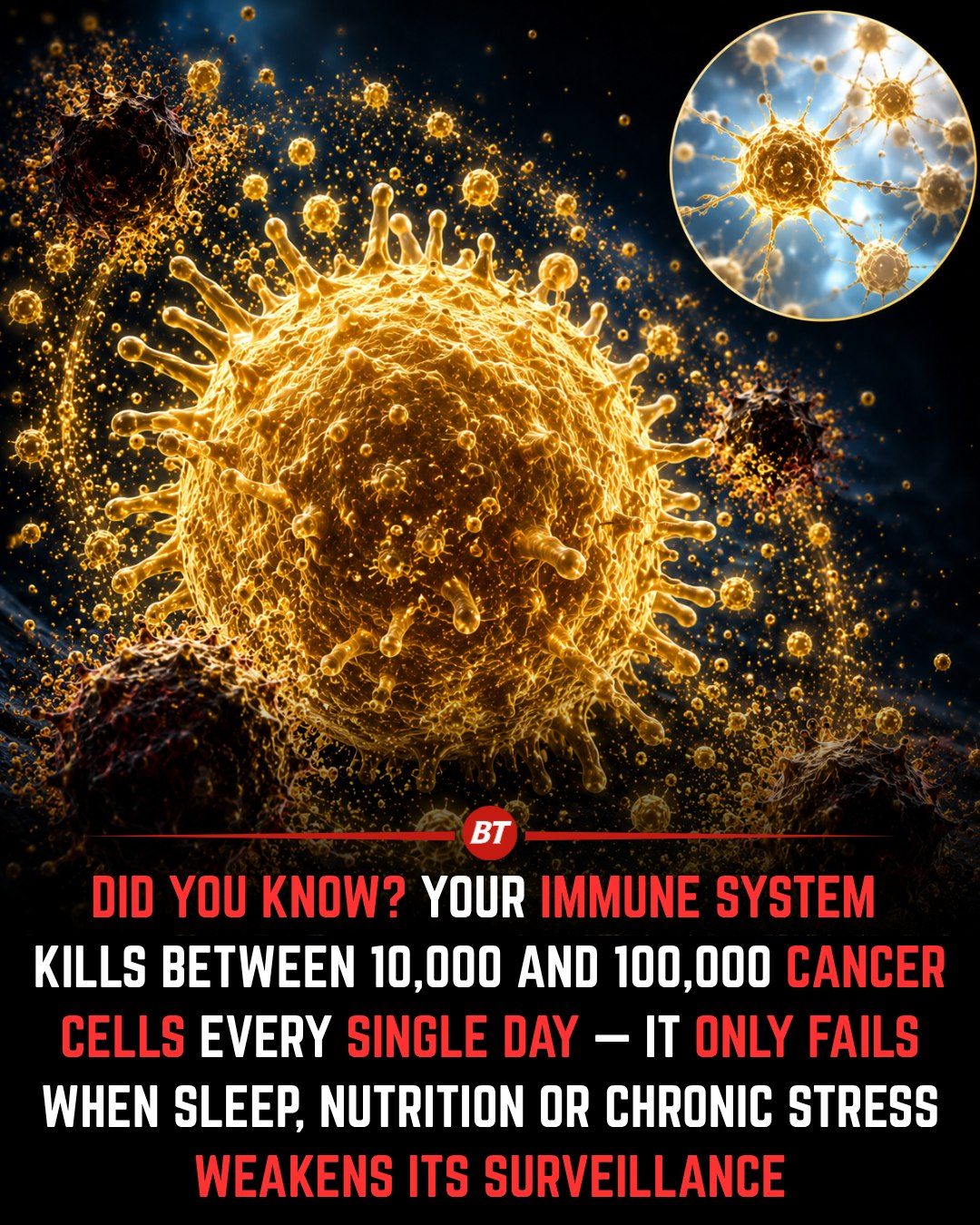
Your Immune System and Cancer: A Daily Battle
Your immune system is an incredibly powerful force. It's constantly working to fight off threats in your body, including cancer cells. Every day, billions of cells divide, and mistakes can happen in their DNA, leading to potential health issues. Fortunately, your body has sophisticated defense systems in place, including immune surveillance, to identify and eliminate abnormal cells. Specialized immune cells, such as natural killer (NK) cells, T-cells, and macrophages, continuously scan tissues for signs of trouble. When they detect suspicious changes, they can often destroy these cells before they multiply.
Why This Matters
Understanding how your immune system functions daily can empower you to take proactive steps to support its effectiveness. The immune system's ability to fight cancer cells and other threats is influenced by various factors, including sleep, nutrition, and stress.
The Daily Battle
Your immune system kills between 10,000 and 100,000 cancer cells every single day. This constant monitoring plays a major role in protecting the body from disease. However, its effectiveness can be compromised by factors like sleep deprivation, poor nutrition, and chronic stress.
The Role of Sleep
Sleep is crucial for maintaining a healthy immune system. Inadequate sleep has been shown to reduce the activity of natural killer cells, which are key players in immune surveillance. Prioritizing quality sleep is essential for keeping your immune system strong and capable of defending against cancer cells.
The Impact of Nutrition
Nutrition provides the vitamins, minerals, proteins, and antioxidants that immune cells need to function properly. A balanced diet rich in protein, fruits, and vegetables can support immune function and help it perform at its best. On the other hand, poor nutrition can weaken the immune system, making it less effective in identifying and eliminating abnormal cells.
The Effect of Chronic Stress
Chronic stress can significantly impact immune function. Prolonged stress increases cortisol levels, which can influence immune regulation and weaken the body's ability to fight off threats, including cancer cells. Managing stress through techniques such as meditation, exercise, and relaxation can help support a healthy immune system.
Practical Tips
To support your immune system, prioritize the following habits:
Quality Sleep
Make sure to get adequate, high-quality sleep every night. This means aiming for 7-9 hours of uninterrupted sleep. Establishing a consistent sleep schedule and creating a relaxing bedtime routine can help improve sleep quality.
Healthy Nutrition
Eat a balanced diet rich in fruits, vegetables, lean proteins, and whole grains. These foods provide the necessary nutrients for immune cells to function effectively. Consider consulting with a nutritionist to tailor a diet plan that supports your immune health.
Stress Management
Incorporate stress management techniques into your daily routine. This can include mindfulness practices, yoga, or deep-breathing exercises. Finding what works best for you can help manage stress levels and support a healthy immune system.
Regular Exercise
Regular physical activity can boost your immune system by improving circulation and promoting the production of immune cells. Aim for at least 30 minutes of moderate exercise most days of the week. This can include activities like brisk walking, cycling, or swimming.
Adequate Vitamin and Mineral Intake
Ensure you're getting enough vitamins and minerals through your diet. If necessary, consider supplements to fill any nutritional gaps. Key nutrients for immune function include vitamin C, vitamin D, zinc, and selenium.
Important Takeaways
Your immune system is an essential part of your body's defense mechanism. By understanding the factors that influence its effectiveness, you can take steps to support it and maintain overall health:
- Sleep, nutrition, and stress management are crucial for a healthy immune system.
- Prioritize quality sleep, a balanced diet, and stress management techniques in your daily routine.
- Regular exercise and adequate vitamin and mineral intake can further support immune function.
Conclusion
The battle against cancer cells is an ongoing process that your immune system fights daily. By supporting your immune system through quality sleep, proper nutrition, stress management, and a healthy lifestyle, you can help ensure it functions at its best. These proactive steps can make a significant difference in maintaining your overall health and well-being.
Watch the Reel
Questions readers ask
What are Natural Killer (NK) cells and how do they fight cancer cells?
Natural Killer (NK) cells are a type of white blood cell that plays a major role in the immune system's defense against cancer. They are called 'natural killers' because they can identify and destroy cancer cells and damaged cells without prior activation. NK cells do this by recognizing and binding to specific markers on the surface of abnormal cells and then inducing apoptosis, or programmed cell death. They are one of the first lines of defense against cancer, acting quickly to eliminate threats.
How do T-cells contribute to the immune system's fight against cancer?
T-cells are another crucial component of the immune system's cancer-fighting arsenal. They work in two main ways: directly killing cancer cells and activating other immune cells. Some T-cells, like cytotoxic T-cells, can directly destroy cancer cells by inducing apoptosis. Others, like helper T-cells, aid in activating and coordinating the immune system's response. T-cells also have memory, allowing them to recognize and respond more quickly to previously encountered cancer cells.
What role do macrophages play in the immune system's cancer defense?
Macrophages are large white blood cells that engulf and digest cellular debris, foreign substances, microbes, and cancer cells, in a process called phagocytosis. They patrol the body, and when they encounter abnormal cells, they can either directly destroy them or stimulate other immune responses. Some macrophages can also switch to a tumor-supportive role in certain conditions, which is an area of ongoing research.
How does sleep influence the immune system's cancer-fighting abilities?
Sleep is vital for the proper functioning of the immune system. During sleep, especially during the deep sleep stages, the body produces important immune cells, including cytokines and infection-fighting antibodies. Lack of sleep can lead to a decrease in the production of these cells and may impair the immune system's ability to fight cancer and other diseases. Additionally, long-term sleep deprivation can increase stress hormones, further hindering immune function.
What impact does stress have on the immune system's ability to fight cancer?
Stress can significantly influence the immune system's cancer-fighting capabilities. When you're stressed, your body produces stress hormones like cortisol, which can suppress immune function, including the activity of NK cells, T-cells, and macrophages. Chronic stress, in particular, can lead to prolonged immune suppression, potentially allowing cancer cells to evade detection and destruction. Managing stress through healthy coping mechanisms is essential for supporting immune function.
Related deep dives
Similar reads based on topic and creator.




Recent articles
Fresh deep dives from the latest Reels we unpacked.




Comments
Be the first to comment.