The Immortal Jellyfish: A Fascinating Look into Turritopsis Dhorny
The immortal jellyfish, scientifically known as Turritopsis dhorny, stands as a biological marvel that has captivated scientists and enthusiasts alike. What makes this tiny ocean dweller so astonishing is its ability to reverse its life cycle, effectively rendering it biologically immortal. This remarkable characteristic sets it apart from all other known animals and offers profound insights into the processes of aging and cell regeneration.
Why This Matters
Turritopsis dhorny’s unique life cycle challenges our understanding of aging and mortality. By studying this jellyfish, researchers gain valuable insights into the mechanisms of cell reprogramming and regeneration, which could potentially lead to breakthroughs in medical science. The jellyfish's cycling process offers a window into how cells can revert to a juvenile state, providing potential avenues for regenerative medicine and treatments for age-related diseases.
The Life Cycle of Turritopsis Dhorny
The Beginnings: From Polyp to Medusa
The life cycle of Turritopsis dhorny begins as a tiny polyp, a sessile stage where the jellyfish attaches itself to a rock or other surface. This polyp reproduces asexually through a process called budding, releasing young jellyfish into the open ocean. These juvenile jellyfish, known as medusae, are free-swimming and feed on tiny plankton, using their stinging tentacles to capture prey.
The Reversal Process
Instead of succumbing to the natural aging process, Turritopsis dhorny undergoes a transformation that reverses its life cycle. As the adult jellyfish ages, its cells begin reprogramming. The jellyfish then transforms into a tiny resting cyst. Inside this protective structure, a new polyp starts to form. Eventually, the cyst releases a new young jellyfish, and the life cycle begins anew.
Biological Mechanism
Cell Reprogramming
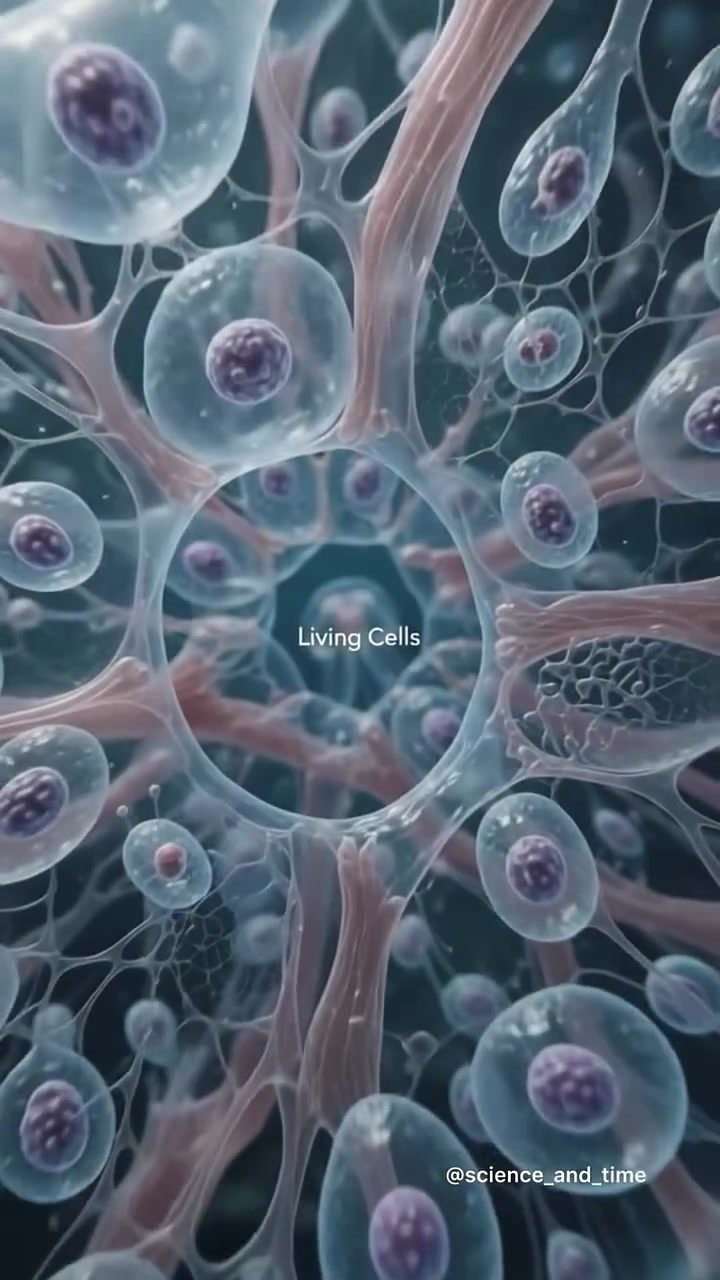
The key to Turritopsis dhorny's immortality lies in its ability to reprogram its cells. This process allows the jellyfish to revert from an adult form to a juvenile polyp, effectively resetting its life cycle. Understanding this mechanism could provide critical insights into regenerative medicine, offering potential treatments for age-related diseases and injuries.
Environmental Factors
Environmental factors play a crucial role in the life cycle of Turritopsis dhorny. The jellyfish begins its life as a sessile polyp, relying on stable surfaces for attachment. This initial stage is critical for its survival and reproduction. The transformation from medusa to polyp and back is influenced by environmental cues, highlighting the intricate interplay between biology and environment.
Practical Tips
While the immortal jellyfish is a fascinating subject for scientific study, its unique characteristics also offer practical applications. Researchers are exploring ways to harness the jellyfish's regenerative abilities for medical advancements. Here are a few practical tips for those interested in the field:
Research Opportunities
For those interested in biology and marine life, studying Turritopsis dhorny provides a wealth of research opportunities. Observing the jellyfish in its natural habitat, understanding its life cycle, and examining its cell reprogramming can lead to significant scientific breakthroughs.
Conservation Efforts
Immortality Jellyfish are a rarity and must be conserved. Researchers and conservationists are working together to protect the habitats of Turritopsis dhorny. Protecting the environments where these jellyfish thrive ensures that future generations can continue to study and learn from these remarkable creatures.
Important Takeaways
Studying the immortal jellyfish offers profound insights into the mechanisms of aging and cell regeneration. The ability of Turritopsis dhorny to reverse its life cycle and return to a juvenile state is a testament to the wonders of nature and the potential for scientific discovery. By understanding the jellyfish's unique biology, researchers can pave the way for groundbreaking advances in medicine and environmental conservation.
Conclusion
The immortal jellyfish, Turritopsis dhorny, stands as a biological enigma that continues to captivate scientists. Its ability to reverse its life cycle and achieve a form of biological immortality provides valuable insights into aging, cell regeneration, and the interplay between biology and environment. As researchers delve deeper into the mysteries of this tiny ocean marvel, the potential for transformative medical advancements and conservation efforts becomes increasingly clear.
Watch the Reel
Related deep dives
Similar reads based on topic and creator.


Recent articles
Fresh deep dives from the latest Reels we unpacked.




Comments
Be the first to comment.