Bipedal Robots: Pushing the Limits of Compact Robotics
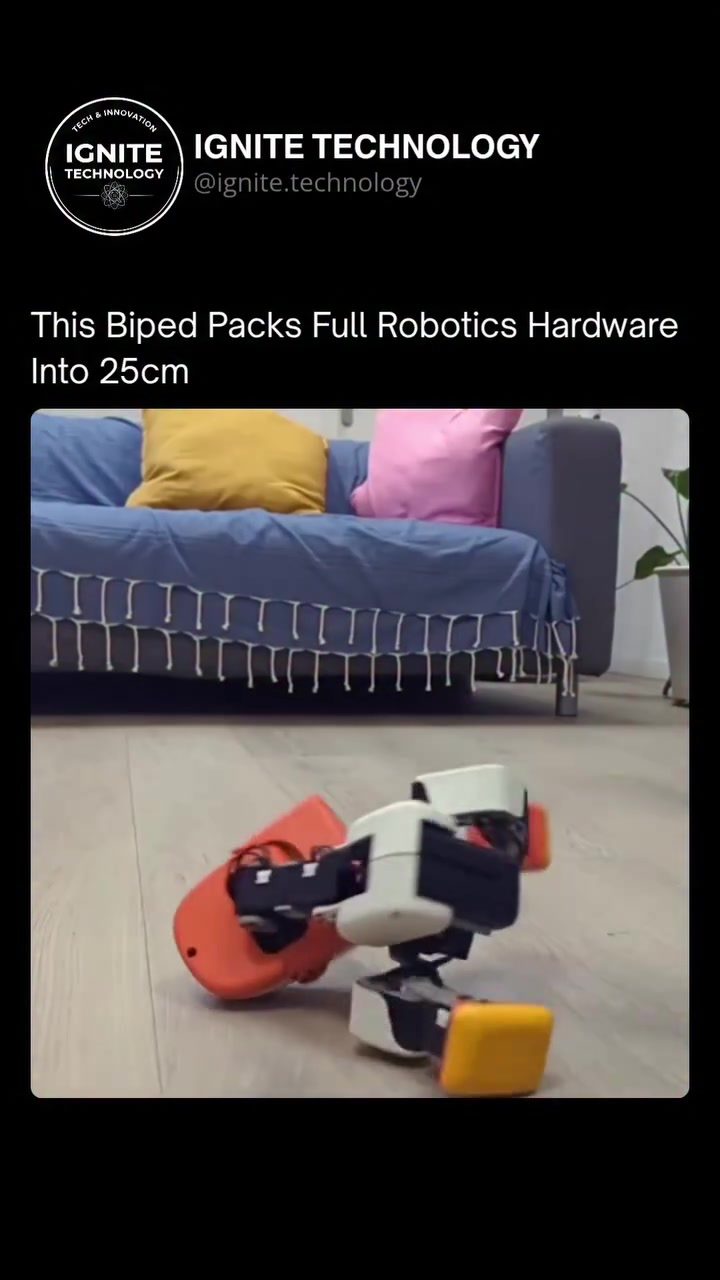
Bipedal robots, with their ability to mimic human-like walking, have long been a fascination in the field of robotics. The recent showcase of a small, bipedal robot from IGNITE TECHNOLOGY highlights the remarkable advancements in this area, particularly in terms of size and functionality.
Context: The Significance of Bipedal Robotics
The development of bipedal robots represents a significant leap forward in robotics technology, allowing for more versatile and adaptable machines. These robots can navigate environments designed for humans, making them ideal for a variety of applications, from search and rescue to assisted living.
Compact size is a critical factor in the design of robotics hardware. The ability to pack full robotics capabilities into a 25cm frame is a testament to the ingenuity of modern engineers. This compactness enables these robots to operate in spaces that were previously inaccessible, expanding their utility in various settings.
Main Discussion
The Design and Capabilities of Compact Bipedal Robots
IGNITE TECHNOLOGY's latest bipedal robot demonstrates a range of movements that showcase its advanced capabilities. The robot is designed to navigate rooms, move across floors, and even perform actions like "skating," highlighting its agility and balance.
The integration of sophisticated robotics hardware within such a small form factor is a remarkable achievement. These robots typically require a combination of actuators, sensors, and control systems to function effectively. The compact design means that every component must be meticulously engineered to fit within the 25cm frame, without compromising performance.
Movements and Versatility
The robot's ability to perform various movements—such as walking, navigating uneven surfaces, and even skating—demonstrates its versatility. This versatility is crucial for applications that require adaptability and agility. For instance, in search and rescue missions, a bipedal robot must be able to navigate through rubble and uneven terrain, making its ability to move in different ways essential.
The Role of Sensors and Actuators
Sensors and actuators are the backbone of any bipedal robot. These components work together to enable the robot to sense its environment and respond appropriately. Sensors can include cameras, accelerometers, and gyroscopes, which provide the robot with information about its surroundings and its own movements.
Actuators, on the other hand, are responsible for the physical movements of the robot. They convert electrical signals into mechanical motion, allowing the robot to walk, turn, and perform other actions. The precise control of these actuators is critical for the robot's stability and agility.
Applications in Real-World Scenarios
Bipedal robots have a wide range of applications, from industrial settings to healthcare. In industrial environments, these robots can be used for tasks such as inspection, maintenance, and quality control. Their ability to navigate complex environments makes them ideal for these tasks. In healthcare, bipedal robots can assist with patient care, providing mobility support and companionship.
Practical Tips for Developing Bipedal Robots
Building a compact, functional bipedal robot requires a deep understanding of various engineering disciplines. Here are some practical tips for anyone looking to develop their own bipedal robot:
Start with a Clear Objective
Before you begin, it's essential to define the purpose of your robot. Whether it's for research, experimentation, or a specific application, having a clear objective will guide your design and development process.
Focus on Component Selection
Choosing the right components is crucial for the success of your project. Ensure that your sensors, actuators, and control systems are well-matched and optimized for your robot's size and functionality.
Prototype and Iterate
Building a bipedal robot is an iterative process. Start with a basic prototype and gradually refine it based on testing and feedback. This approach allows you to identify and address potential issues early in the development process.
Prioritize Stability
Stability is a key challenge in bipedal robotics. Ensure that your robot's design prioritizes stability, especially when navigating uneven surfaces and performing complex movements.
Test in Real-World Conditions
Real-world conditions can be vastly different from controlled laboratory settings. Testing your robot in various environments will help you understand its performance and make necessary adjustments.
Important Takeaways
The advancements in compact bipedal robotics, as demonstrated by IGNITE TECHNOLOGY, highlight the potential for these machines to revolutionize various industries. The key takeaways from this development include:
- Compact Design: The ability to pack full robotics hardware into a 25cm frame is a significant achievement, making these robots highly versatile and adaptable.
- Versatility: The robot's ability to perform various movements, such as walking, navigating uneven surfaces, and skating, demonstrates its versatility and potential for real-world applications.
- Applications: Bipedal robots have a wide range of applications, from industrial settings to healthcare, making them valuable tools for various industries.
- Engineering Challenges: Developing a compact, functional bipedal robot requires a deep understanding of various engineering disciplines, including component selection, stability, and real-world testing.
Conclusion
The recent showcase of a small, bipedal robot by IGNITE TECHNOLOGY underscores the remarkable advancements in compact robotics. As these robots become more sophisticated and versatile, their applications will continue to expand, revolutionizing various industries. For those interested in developing their own bipedal robots, focusing on component selection, stability, and real-world testing will be crucial for success.
Watch the Reel
Related deep dives
Similar reads based on topic and creator.

Recent articles
Fresh deep dives from the latest Reels we unpacked.




Comments
Be the first to comment.