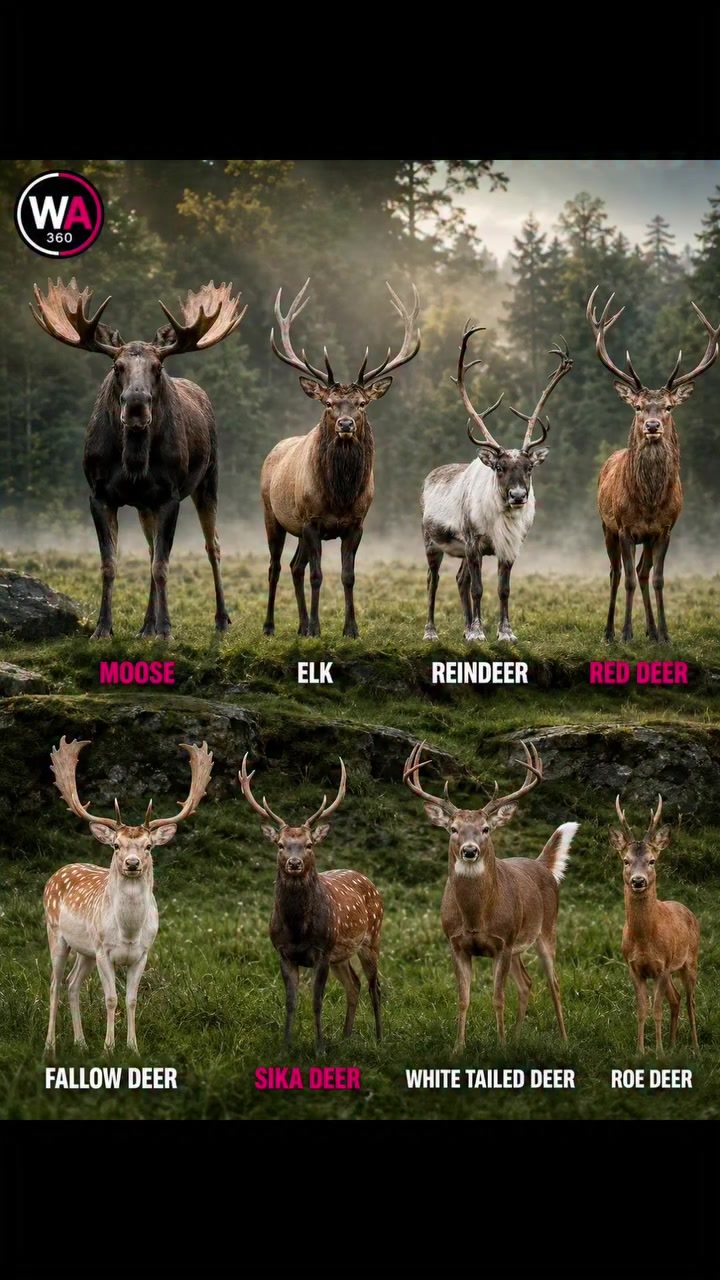
From Moose to Roe Deer: Know the Difference
Deer are a ubiquitous sight in many landscapes. However, the diversity among deer species is remarkable, with each having unique features, habits, and habitats. Understanding the differences can enhance appreciation and knowledge of these fascinating creatures. Here, we'll explore several notable deer species: Moose, Elk, Reindeer, Red Deer, Fallow Deer, Sika Deer, White-Tailed Deer, and Roe Deer.
Context / Why this matters
Recognizing the differences between deer species provides a deeper understanding of their roles in ecosystems and the challenges they face. Each species adapts to its environment in unique ways, making them vital to their respective habitats. Whether you're a wildlife enthusiast, a nature photographer, or simply curious about the natural world, knowing the distinctions between these deer species can greatly enrich your experience.
Main discussion
Moose
The Moose is the largest member of the deer family, known for its massive size and broad, palmate antlers. These majestic creatures are typically found in boreal and mixed deciduous forests, as well as tundra and peat bogs. Moose are excellent swimmers and divers, and their long legs enable them to wade through deep snow and water. They have a distinctive profile, with a long, drooping nose and a hump on their shoulders.
Elk
Elk, also known as Wapiti, are powerful and social animals. They are characterized by their large size, with males having impressive antlers that can grow up to four feet across. Elk are known for their bugling calls, which echo through forests and mountains during the mating season. These animals inhabit various environments, including forests, mountains, and prairies, and are highly adaptable. Elk are often found in herds, making them one of the more social deer species.
Reindeer
Reindeer, also called Caribou in North America, are specially adapted to survive in harsh Arctic climates. They have a thick coat, small ears, and wide hooves that help them move through deep snow. Both male and female Reindeer grow antlers, which is unique among deer species. Reindeer are known for their extensive migrations, covering thousands of miles in search of food. Their diet consists primarily of lichens, grasses, and mosses.
Red Deer
Red Deer are among the world's most widespread deer species, found in Europe, Asia, and North Africa. Males, known as stags, have large, branching antlers and a distinctive, reddish-brown coat. Red Deer are known for their impressive roars during the rutting season. These deer inhabit a variety of environments, including forests, moorlands, and mountains. They are herbivorous, feeding on grasses, leaves, and bark.
Fallow Deer
Fallow Deer are easily recognized by their spotted coats, which help them blend into their woodland habitats. They have a distinctive, paler rump, and both males and females grow antlers. Fallow Deer are found in a variety of environments, from dense forests to open grasslands. They are known for their agility and speed, making them adept at evading predators. These deer are browsers, feeding on a variety of vegetation, including leaves, shoots, and fruits.
Sika Deer
Sika Deer are agile forest dwellers, known for their compact size and distinctive coat patterns. They have a reddish-brown coat with white spots, which help them camouflage in their woodland habitats. Sika Deer are native to East Asia but have been introduced to various parts of the world. They are known for their vocalizations, which include a variety of grunts, snorts, and barks. These deer are browsers and grazers, feeding on a variety of plants.
White-Tailed Deer
White-Tailed Deer are famous for raising their white tails when alarmed, a signal that warns other deer of potential danger. They are one of the most widely recognized deer species, found throughout North and South America. White-Tailed Deer have a reddish-brown coat in summer and grayish-brown in winter. They inhabit a variety of environments, including forests, grasslands, and agricultural lands. These deer are browsers and grazers, feeding on a variety of plants, including leaves, twigs, and fruits.
Roe Deer
Roe Deer are the smallest among the featured species. They are known for their compact size and distinctive, reddish-brown coat. Roe Deer are native to Europe and Asia, and have been introduced to various parts of the world. They inhabit a variety of environments, including forests, grasslands, and agricultural lands. Roe Deer are known for their agility and speed, making them adept at evading predators. These deer are browsers and grazers, feeding on a variety of plants.
Practical Tips
Identifying Deer Species
Identifying deer species can be both fun and rewarding. Here are some practical tips to help you differentiate between them:
- Size and Build: Note the overall size and build of the deer. Moose are the largest, while Roe Deer are the smallest.
- Antlers: Pay attention to the shape and size of the antlers. Moose have broad, palmate antlers, while Elk have large, branching antlers.
- Coat Patterns: Look for distinctive coat patterns. Fallow Deer and Sika Deer have spotted coats, while White-Tailed Deer have a white underside and tail.
- Behavior: Observe the deer's behavior. Elk are social and often found in herds, while Moose are typically solitary.
Photography Tips
Capturing good photographs of deer requires patience and the right techniques. Here are some tips:
- Use a Telephoto Lens: A telephoto lens allows you to capture close-up shots from a distance, minimizing disturbance to the deer.
- Be Patient and Quiet: Deer are easily startled. Move slowly and quietly, and be prepared to wait for the perfect shot.
- Know the Best Times: Early morning and late afternoon are often the best times to spot deer, as they are more active during these periods.
- Respect Wildlife: Always maintain a safe distance and avoid disturbing the deer. Follow local guidelines for wildlife viewing and photography.
Safety Tips
Encountering deer in the wild can be a thrilling experience, but it's important to prioritize safety. Here are some tips:
- Keep a Safe Distance: Never approach a deer too closely, especially if it has young or appears agitated.
- Do Not Feed Deer: Feeding deer can alter their natural behaviors and make them dependent on human food.
- Be Aware of Surroundings: Always be aware of your surroundings and potential hazards, such as uneven terrain or nearby predators.
- Follow Local Guidelines: Adhere to local guidelines and regulations regarding wildlife viewing and photography to ensure the safety of both yourself and the deer.
Important Takeaways
Understanding the differences between deer species can significantly enhance your appreciation of these fascinating creatures. Each species has unique features, habits, and habitats that make them vital to their respective ecosystems. By recognizing these distinctions, you can better appreciate the diversity and complexity of the natural world.
Conclusion
Deer are more than just common wildlife; they are a testament to nature's incredible diversity. From the massive Moose to the agile Roe Deer, each species offers a unique perspective on the natural world. Whether you're an avid wildlife enthusiast, a nature photographer, or simply curious about these majestic creatures, knowing the differences between deer species can greatly enrich your experience. So, the next time you spot a deer, take a moment to appreciate its unique characteristics and the role it plays in its ecosystem.
Watch the Reel
Questions readers ask
What are the key differences between Moose and Elk?
Moose have a distinctive bell-shaped snout and long legs, while Elk are smaller with a more slender build and larger antlers. Moose prefer forested areas near water, whereas Elk thrive in open spaces like meadows and grasslands. Additionally, Moose are solitary animals, while Elk often gather in herds.
How can I differentiate between Reindeer and regular deer species?
Reindeer, also known as Caribou in North America, have a unique adaptation of antlers on both males and females, making them easily distinguishable. Their fur is also thicker and lighter in color, helping them adapt to harsh, cold environments. Additionally, their hooves are adapted to digging through snow.
What are some notable characteristics of Red Deer?
Red Deer are one of the largest deer species in the world, known for their impressive antlers. Males, known as stags, have a reddish-brown coat, and females, known as hinds, have a lighter brown coat. Red Deer are highly adaptable and can be found in a variety of habitats, including forests, grasslands, and mountains.
Where can Fallow Deer typically be found and what makes them unique?
Fallow Deer are native to the Middle East and Europe, but they have been introduced to many other regions. They are known for their unique spotted coats, which vary in color from light brown to almost black. Fallow Deer prefer foraging in woodlands and agricultural lands, and they are often found in both open and densely wooded areas.
How do Sika Deer differ from other deer species?
Sika Deer are known for their small size and distinctive reddish-brown coat. They also have a unique white rump patch. Native to East Asia, they have been introduced to many other countries, including the United States. Sika Deer are adaptable and can thrive in various environments, from dense forests to open grasslands.
What are the main characteristics of White-Tailed Deer?
White-Tailed Deer are recognizable by their white underside of their tail, which they raise as a signal when fleeing. They are widely distributed across North and South America and are known for their adaptability to various habitats. Their size and coloration can vary depending on the region, but their most distinctive feature is the flash of white on their tail.
How can I identify a Roe Deer in the wild?
Roe Deer are relatively small and have a reddish-brown coat that molts to a lighter color in the summer. They have a distinctive white rump with a dark stripe down the middle. Roe Deer are typically found in woodlands and brushy areas. Roe Deer are also known for their unique behavior of freezing when startled, rather than fleeing immediately.
Related deep dives
Similar reads based on topic and creator.



Recent articles
Fresh deep dives from the latest Reels we unpacked.




Comments
Be the first to comment.