Military Aircraft Combat: Historical Highlights and Iconic Engagements
Military aircraft combat has been a pivotal aspect of modern warfare, showcasing the technological advancements and strategic maneuvers that define aerial supremacy. From the high-speed battles of the Gulf War to the historic engagements of the Iran-Iraq War, these conflicts have left indelible marks on military history.
Context: Why This Matters
Understanding the dynamics of military aircraft combat is essential for appreciating the evolution of air warfare. The performance of fighter jets in real-world engagements reveals the capabilities of different aircraft, the strategies employed, and the outcomes that shape military doctrine. This discourse offers a closer look at some of the most significant aerial battles, highlighting the prowess of various fighter jets and the unique circumstances that led to their victories or defeats.
F-15 Eagle: Gulf War Dominance
The F-15 Eagle stands out as one of the most successful fighter jets in modern military history, especially during the Gulf War. This aircraft achieved multiple victories without any losses, a testament to its advanced avionics, powerful engines, and superior maneuverability. The F-15's performance in the Gulf War underscored its effectiveness in air-to-air combat, making it a formidable presence in the skies.
F-16 Fighting Falcon: Outmatching the MiG-21
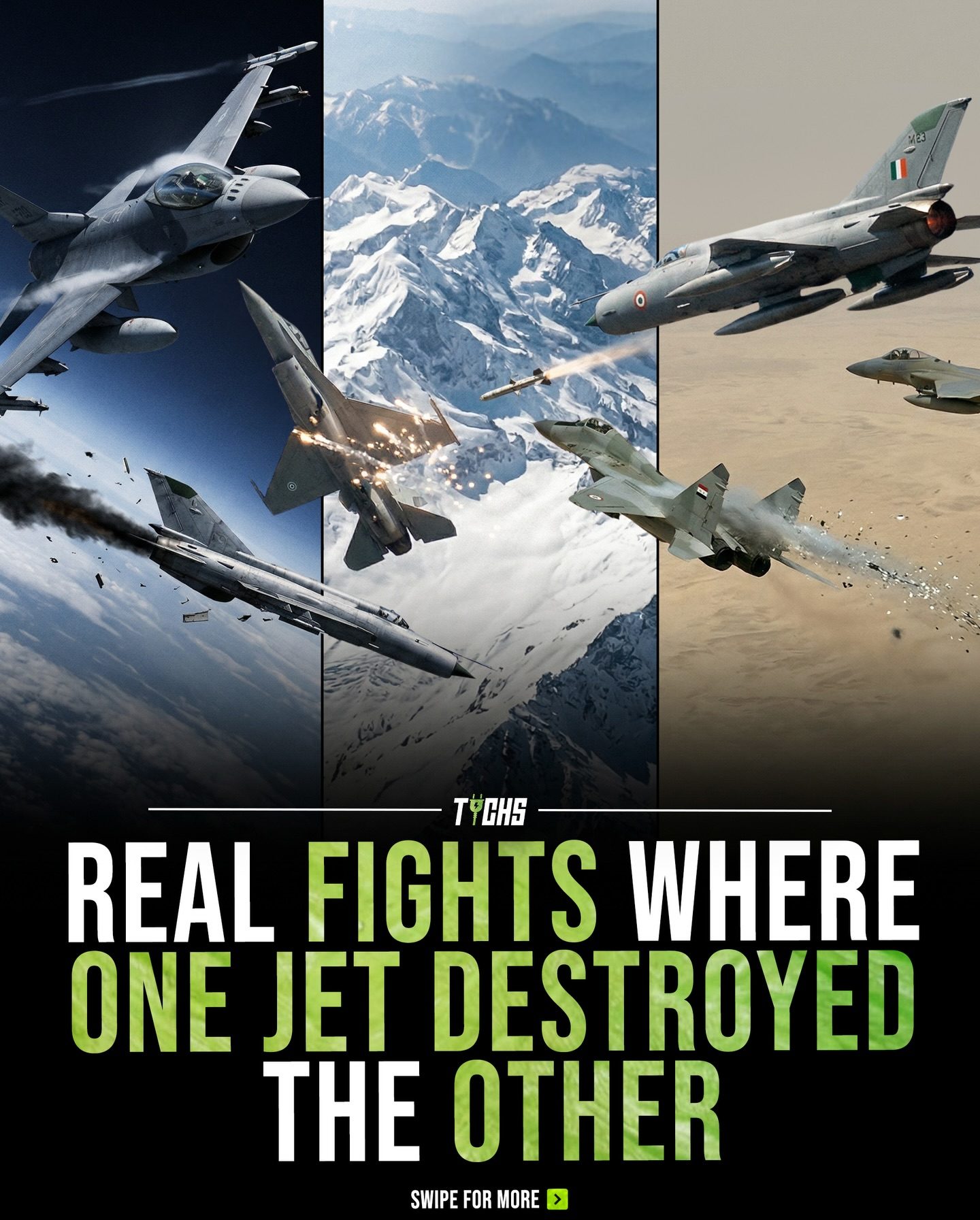
The F-16 Fighting Falcon has repeatedly demonstrated its superiority over older aircraft like the MiG-21. Equipped with modern avionics and versatility, the F-16 has been a potent force in various conflicts. Notably, it was the F-16 Fighting Falcon that the MiG-21 Bison reportedly downed in 2019. While this incident remains a subject of debate, it highlights the ongoing rivalry between these two aircraft and the evolving tactics in air combat.
Iran-Iraq War: The F-14 Tomcat's Triumph
The Iran-Iraq War was marked by intense aerial combat, with the F-14 Tomcat emerging as a key player. Iran’s F-14 Tomcats were instrumental in maintaining air superiority, particularly with their impressive Phoenix missile capabilities. The F-14's success during this period showcased its long-range combat abilities and its effectiveness in engaging multiple targets simultaneously. This episode underscores the Tomcat's versatility and its enduring legacy in military aviation.
The Indian-Pakistani Conflict: MiG-21 vs. F-16
The India-Pakistan conflict has seen several notable aerial engagements, including the MiG-21 Bison's encounter with the F-16. This particular engagement, where the MiG-21 reportedly downed an F-16, highlights the nuanced dynamics of military aerial combat. This scenario also illustrates the strategic and tactical decisions that can turn the tide of aerial battles, as well as the importance of pilot training and aircraft maintenance.
The Sukhoi Su-27 vs. MiG-29
In training exercises, the Sukhoi Su-27 has shown distinct advantages over the MiG-29. These drills often simulate real-world combat scenarios, allowing military strategists to assess the strengths and weaknesses of different aircraft. The Su-27's victory in these exercises underscores its advanced maneuverability, robust engine performance, and superior avionics. This comparison highlights the fine line between success and failure in aerial combat, where even slight differences in aircraft capabilities can make a significant impact.
The F/A-18 Hornet's Engagement with the Iraqi MiG-29
The F/A-18 Hornet's engagement with the Iraqi MiG-29 during combat further illustrates the complexity and intensity of modern air warfare. The Hornet’s ability to shoot down the MiG-29 demonstrates its effectiveness in both air-to-air and ground attack roles. This engagement also highlights the importance of integrating modern avionics and weapon systems into fighter jets, ensuring they remain relevant in an ever-evolving battlefield.
The Role of Technology
Throughout these engagements, the role of technology has been paramount. Advances in avionics, engines, and weapon systems have significantly impacted the outcomes of these battles. For example, the F-15 Eagle’s success in the Gulf War can be attributed to its cutting-edge avionics and powerful engines, which allowed it to outmaneuver and outgun its opponents. Similarly, the F-14 Tomcat’s Phoenix missiles played a crucial role in the Iran-Iraq War, providing a long-range capability that was unmatched by other aircraft at the time.
Practical Tips
For those interested in the nuances of military aircraft combat, several key points are worth noting. First, understanding the strengths and weaknesses of different aircraft is crucial. Each aircraft, from the F-15 Eagle to the MiG-21, has unique capabilities and limitations. Second, training and pilot skill play a significant role in the outcome of aerial battles. Even the best aircraft can be rendered ineffective in the hands of an untrained pilot. Lastly, technology continues to evolve, and staying abreast of the latest advancements in avionics and weapon systems is essential for maintaining aerial superiority.
Important Takeaways
Experience in military aircraft combat underscores several important lessons. Firstly, the importance of air superiority cannot be overstated. Aircraft like the F-15 Eagle and F-14 Tomcat have demonstrated the critical role of air dominance in modern warfare. Secondly, the performance of fighter jets in real-world engagements provides invaluable insights into their capabilities and limitations. This information is crucial for military strategists as they assess the effectiveness of different aircraft and plan future engagements. Lastly, the ongoing rivalry between different aircraft models, such as the F-16 and MiG-21, highlights the continuous evolution of air combat tactics and technologies.
Conclusion
Military aircraft combat offers a fascinating glimpse into the world of aerial warfare, showcasing the technology, strategy, and skill required to achieve victory in the skies. From the Gulf War to the Iran-Iraq War, these conflicts have highlighted the capabilities of various fighter jets and the evolving nature of aerial combat. Whether it's the F-15 Eagle's dominance in the Gulf War or the F-14 Tomcat's success during the Iran-Iraq War, these engagements provide valuable insights into the mechanics of military aviation and the strategic considerations that shape modern warfare.
Watch the Reel
Recent articles
Fresh deep dives from the latest Reels we unpacked.




Comments
Be the first to comment.