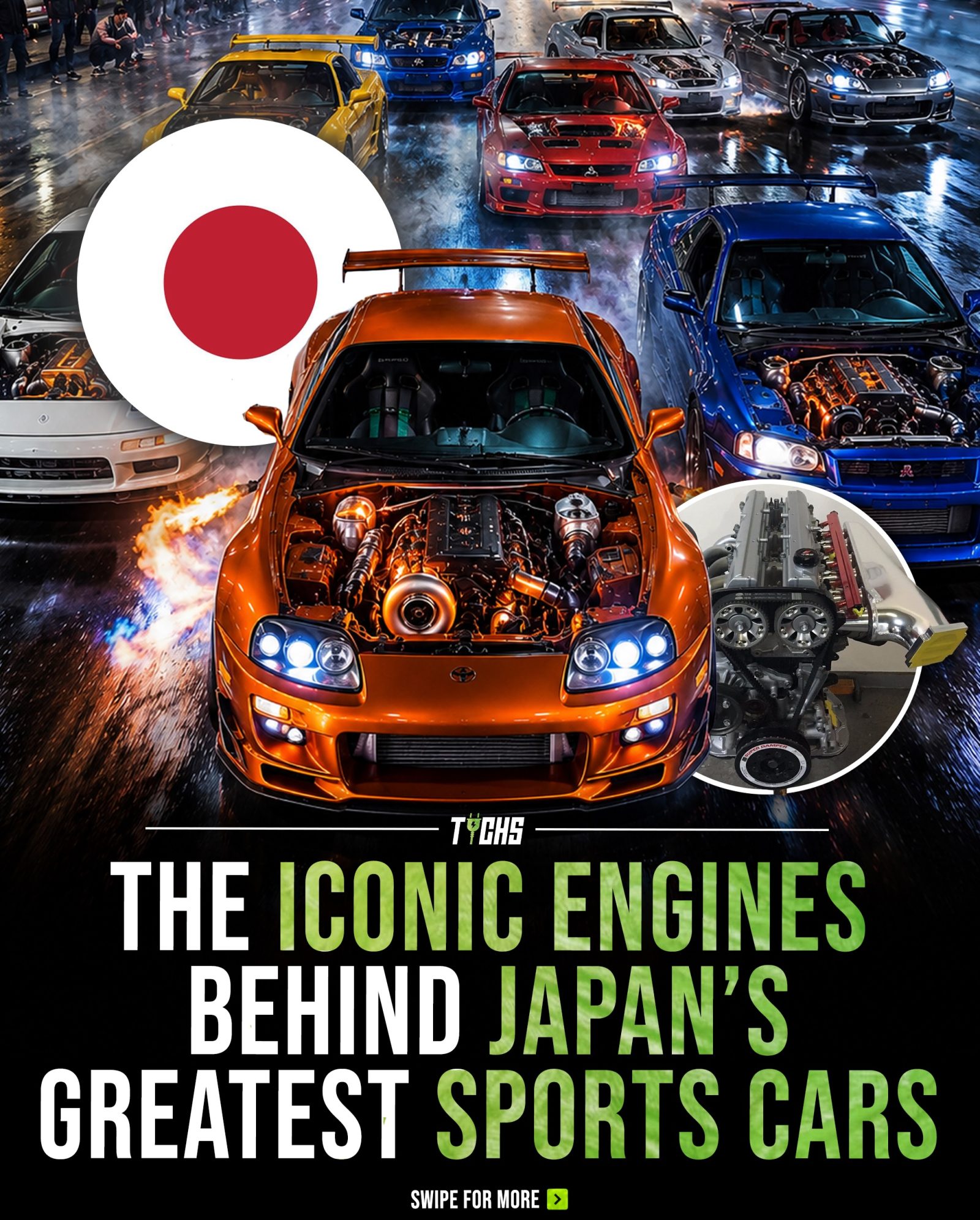
Japanese Sports Car Engines
Japanese sports car engines have garnered a legendary reputation far beyond their design, powering an entire generation of tuning, racing, and car culture. The engines that made Japan's iconic sports cars legendary include the Toyota 2JZ-GTE, Nissan RB26DETT, Honda F20C, Mazda 13B-REW, and Mitsubishi 4G63T. These engines are renowned for their high rev limits, turbo power, durability, and incredible tuning potential. Their enduring influence on enthusiasts worldwide continues to inspire modern automotive engineering, from rally racing and drifting to street builds and motorsports. Japanese domestic market (JDM) fans have particularly embraced these engines, recognizing their significant role in defining Japan’s golden era of sports cars.
Why This Matters
The legacy of Japanese sports car engines extends far beyond their original designs. These engines have become symbols of performance, durability, and tuning potential. Understanding their history, specifications, and cultural impact provides a deeper appreciation for their role in shaping the automotive world today. They remain the benchmark for enthusiasts and engineers alike, influencing everything from performance upgrades to modern car design.
Key Engines That Defined JDM History
Toyota 2JZ-GTE
The Toyota 2JZ-GTE is arguably one of the most iconic engines in the world of JDM cars. Initially found in the Toyota Supra, this 3.0-liter inline-six engine boasts a high-revving nature and robust construction. Its twin-turbo configuration and ability to withstand high levels of tuning have made it a favorite among performance enthusiasts. The 2JZ-GTE's versatility and reliability have cemented its place in the hearts of car aficionados, fostering a dedicated community of tinkerers and racers.
Nissan RB26DETT
The Nissan RB26DETT is another powerhouse in the JDM scene, powering the legendary Nissan Skyline GT-R. This 2.6-liter inline-six engine features a twin-turbo setup, renowned for its high-revving capability and impressive torque. The RB26DETT is often lauded for its durability and performance, factors which have made it a popular choice for drag racing, drifting, and rally racing. Its impact on the automotive industry is undeniable, with many aftermarket parts and tuning options still widely available today.
Honda F20C
Honda’s F20C, often referred to as the "F20C," is the heart of the Honda S2000. This 2.0-liter inline-four engine is celebrated for its high-revving ability, reaching up to 9,000 RPM. The F20C’s design includes variable valve timing and a compact, lightweight construction, making it both powerful and efficient. Its performance potential and reliability have made it a favorite among tuners and racers, contributing to its enduring popularity.
Mazda 13B-REW
The Mazda 13B-REW was used in the iconic Mazda RX-7, a car known for its advanced rotary engine technology. This 1.3-liter rotary engine, also known as the "Wankel engine," is praised for its high-revving capability and unique design. The 13B-REW offers a different feel compared to traditional piston engines, with a smooth and distinctive sound. Its lightweight construction and high power-to-weight ratio make it a favorite for both street and race applications.
Mitsubishi 4G63T
The Mitsubishi 4G63T, found in the Mitsubishi Lancer Evolution, is a turbocharged 2.0-liter inline-four engine. This powerplant is celebrated for its durability and performance, making it a staple in rally racing. The 4G63T's high torque output and reliability, combined with a proven track record in rallying, have made it a beloved choice for performance enthusiasts. Its legacy continues to inspire modern tuning and racing communities.
Iconic Engines and Tuning
The engines mentioned above have transcended their original applications, becoming symbols of tuning potential. Enthusiasts worldwide have pushed the limits of these powerplants, achieving remarkable performance gains through various modifications. From high-flow exhausts and upgraded turbos to engine swaps and complete rebuilds, the tuning potential of these engines remains unparalleled.
The Legacy of JDM Engines
Cultural Impact
JDM engines have influenced not only the automotive industry but also popular culture. Their presence in movies, video games, and music has solidified their status as icons. These engines have inspired countless aftermarket parts, tuning guides, and enthusiast communities, creating a rich ecosystem around them.
Modern Influence
The legacy of these engines continues to influence modern automotive engineering. Many high-performance and sporty cars today still draw inspiration from the iconic Japanese sports car engines. Modern turbocharged engines, efficient combustion systems, and lightweight construction can all trace their roots back to these legendary powerplants.
Engineering and Design
The durability, high-revving capabilities, and tuning potential of these engines have set the standard for performance engineering. The principles and designs used in these engines continue to inspire modern car design and performance upgrades. The engineering lessons learned from these iconic powerplants are still applicable today, making them an invaluable resource for enthusiasts and engineers.
Practical Tips for JDM Engine Enthusiasts
If you’re an enthusiast looking to delve into the world of JDM engines, there are several practical tips to help you get started:
Research and Understanding
First and foremost, it’s crucial to thoroughly research the engine you’re interested in. Understand its specifications, strengths, and weaknesses. This knowledge will help you make informed decisions about modifications, maintenance, and upgrades.
Choose the Right Components
When it comes to tuning, quality matters. Invest in high-quality aftermarket parts from reputable manufacturers. Components like turbos, exhaust systems, and intake manifolds can significantly impact performance. Ensure compatibility and seek advice from experienced tuners if needed.
Performance Upgrades
Consider your goals when choosing performance upgrades. Whether you’re aiming for high horsepower, better fuel efficiency, or improved reliability, different modifications will suit different needs. Popular upgrades include engine management systems, high-flow fuel injectors, and upgraded clutches.
Maintenance and Care
Maintenance is key to keeping your JDM engine in top condition. Regular oil changes, coolant flushes, and overall engine inspections will ensure longevity and reliability. Always follow the manufacturer’s guidelines for maintenance schedules and procedures.
Community and Support
Join enthusiast forums, attend car shows, and engage with online communities. The JDM community is vast and full of knowledgeable individuals who can offer advice, support, and inspiration. These communities are invaluable resources for troubleshooting, finding parts, and sharing experiences.
Important Takeaways
The iconic engines that powered Japan’s greatest sports cars continue to inspire and influence the automotive world today. From the high-revving Toyota 2JZ-GTE to the durable Mitsubishi 4G63T, these engines have set the standard for performance, reliability, and tuning potential. Their legacy extends far beyond the design and engineering realms, impacting popular culture and the tuning community.
If you’re an enthusiast looking to dive into the world of JDM engines, taking the time to understand, research, and maintain these powerplants will ensure a rewarding experience. The community and resources available make it easier than ever to get started, whether you’re a seasoned tuner or a new enthusiast.
Conclusion
Japanese sports car engines have left an indelible mark on the automotive world. From their iconic designs and high performance to their enduring cultural impact, these engines continue to inspire and influence modern automotive engineering. Whether you’re a seasoned enthusiast or just starting out, understanding and appreciating the legacy of these engines will enrich your passion for performance cars.
Watch the Reel
Questions readers ask
What makes Japanese sports car engines stand out in the automotive world?
Japanese sports car engines are renowned for their high rev limits, robust turbocharging capabilities, and exceptional durability. These traits make them highly sought after for tuning, racing, and custom builds, setting them apart from other engines in the automotive landscape.
What are some of the most iconic Japanese sports car engines?
Some of the most iconic Japanese sports car engines include the Toyota 2JZ-GTE, Nissan RB26DETT, Honda F20C, Mazda 13B-REW, and Mitsubishi 4G63T. Each of these engines has made a significant impact on automotive culture and performance.
Why is the Toyota 2JZ-GTE engine so popular among enthusiasts?
The Toyota 2JZ-GTE is popular due to its high rev limit, turbocharged power, and durability. This engine has become a staple in the tuning community, particularly for its ability to handle extensive modifications and still perform reliably, making it a favorite for both street and track use.
What is the significance of the Nissan RB26DETT engine in automotive history?
The Nissan RB26DETT is celebrated for its performance in both racing and drifting. Its 6-cylinder design, high rev limit, and turbocharging system make it a versatile and powerful engine. The RB26DETT's reputation for reliability and tuning potential has made it a legendary choice among enthusiasts.
How have Japanese sports car engines influenced modern automotive engineering?
Japanese sports car engines have had a profound influence on modern automotive engineering, particularly in the realms of rally racing, drifting, and high-performance street builds. Their unique characteristics and durability have inspired countless innovations and continue to shape the development of new engines.
What role do JDM engines play in the global car culture?
JDM (Japanese Domestic Market) engines play a significant role in global car culture, especially among enthusiasts who appreciate their performance, durability, and tuning potential. These engines have fostered a vibrant community of tuners, racers, and collectors worldwide, keeping the legacy of iconic Japanese sports cars alive.
Why are high rev engines like the Mazda 13B-REW and Honda F20C so prized by enthusiasts?
High rev engines like the Mazda 13B-REW and Honda F20C are prized for their ability to produce significant power at high RPMs. These engines offer a unique driving experience and are highly desirable for their performance characteristics, making them sought after for both street and track use.
Related deep dives
Similar reads based on topic and creator.




Recent articles
Fresh deep dives from the latest Reels we unpacked.




Comments
Be the first to comment.