Fast Food Drink Bacteria Test
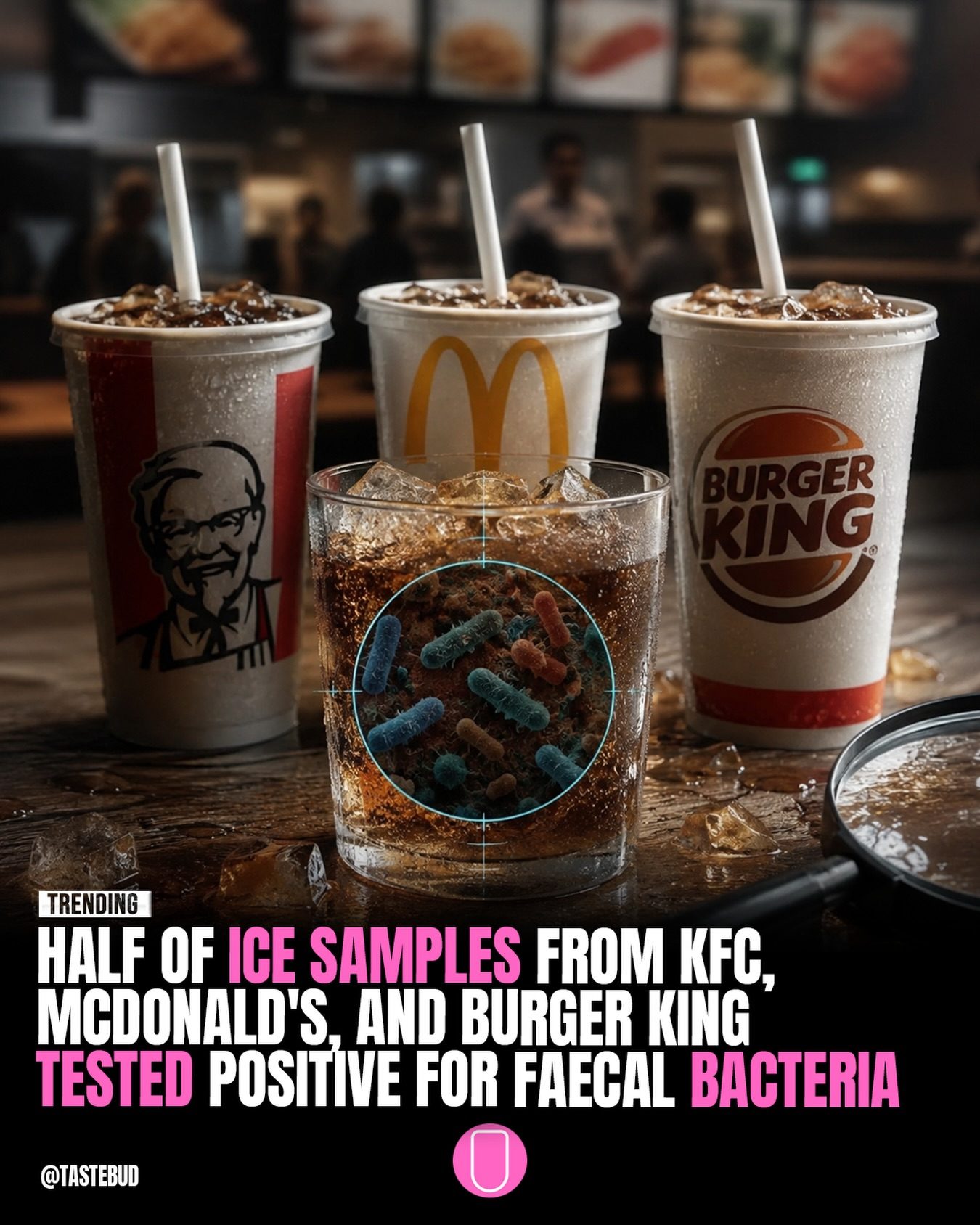
Fast food drinks, though seemingly simple, have a surprising reveal lurking in the ice. Recent findings from an investigation in the UK uncovered that ice samples from major fast-food chains like McDonald’s, KFC, and Burger King tested positive for coliform bacteria. This revelation underscores the importance of hygiene in food service and highlights the broader implications for food safety.
Why This Matters
Fast food chains are a staple of modern convenience, offering quick and easy meals for consumers. These chains are ubiquitous, serving millions of customers daily. While focus often falls on the quality of the food itself, the safety of the drinks, particularly the ice, is equally important. Coliform bacteria can indicate contamination, and while the investigation found that the water itself was not the source, the hygiene practices and maintenance of ice machines played a crucial role.
The Investigation and Findings
What Was Discovered
The investigation focused on ice samples from major fast-food chains: McDonald’s, KFC, and Burger King. Half of the ice samples tested positive for fecal bacteria. This finding was not a reflection on the water quality but rather on how the ice was handled and maintained. The hygiene practices and sanitation standards of the ice machines were found to be the primary culprits.
The Impact of Poor Hygiene
Hygiene practices in food service are paramount to ensuring food safety. Poor hygiene can lead to contamination, potentially harming consumers. The presence of coliform bacteria in ice indicates that there may be issues with how the ice is handled, stored, and dispensed. This contamination can originate from various sources, including improper cleaning of equipment, cross-contamination, or lack of regular maintenance.
Public Health Implications
The discovery of bacteria in ice from major fast-food chains has significant public health implications. Ice is often considered a minor component of a drink but plays a substantial role in food safety. Bacteria in ice can contaminate the entire drink, posing a risk to consumers. This revelation underscores the need for stringent hygiene standards and regular inspections to ensure the safety of food and drinks served to the public.
How Fast Food Chains Responded
In response to the findings, the major chains—McDonald’s, KFC, and Burger King—improved their cleaning and sanitation standards. This move is a step in the right direction, as it highlights the importance of continuous improvement in hygiene practices. Regular cleaning, sanitization, and maintenance of ice machines are crucial for preventing contamination.
Importance of Regular Maintenance
Regular maintenance of equipment is essential for preventing contamination. This includes cleaning ice machines, changing filters, and ensuring proper water flow. Regular inspections can help identify potential issues before they become significant problems. The fast-food chains' response to the findings shows their commitment to ensuring food safety.
Practical Tips
For Consumers
Consumers can take several steps to ensure their drinks are safe:
- Observe Cleanliness: If you notice that the ice machine or drink dispenser is not clean, consider avoiding the drink or opting for a beverage without ice.
- Ask About Hygiene Practices: Don't hesitate to ask about the cleaning and maintenance practices of the ice machines at your favorite fast-food joint.
- Choose Alternative Beverages: If you're concerned about the safety of iced drinks, opt for hot beverages or drinks without ice.
For Fast Food Chains
Fast-food chains can take the following steps to ensure the safety of their drinks:
- Implement Regular Cleaning Schedules: Ensure that all ice machines are cleaned and sanitized regularly.
- Train Staff on Hygiene Standards: Provide training to staff on proper handling, dispensing, and maintenance of ice.
- Regular Inspections: Conduct regular inspections and maintenance of ice machines to prevent contamination.
Important Takeaways
The investigation into fast food ice highlights several critical points:
- Hygiene Practices Matter: Proper hygiene and sanitation are crucial for food and drink safety.
- Regular Maintenance is Essential: Regular maintenance of equipment can prevent contamination.
- Ice is Part of Food Safety: Ice is not just an extra; it is part of the overall food safety equation.
- Consumer Awareness: Consumers need to be aware of the potential risks and take steps to ensure their drinks are safe.
Conclusion
The discovery of bacteria in fast food ice serves as a reminder of the importance of hygiene and sanitation in food service. While the initial findings were alarming, the response from major chains shows a commitment to improving standards. Moving forward, it is essential for both consumers and food service providers to prioritize hygiene and maintenance to ensure the safety of all food and drinks.
Watch the Reel
Questions readers ask
What are coliform bacteria and why are they a concern in fast food ice?
Coliform bacteria are a group of microorganisms that can indicate the presence of fecal contamination. Their presence in fast food ice is a concern because it suggests potential health risks, as these bacteria can cause illnesses such as gastrointestinal infections.
Which fast-food chains were found to have contaminated ice in the UK investigation?
The UK investigation revealed that major fast-food chains including McDonald's, KFC, and Burger King had ice samples contaminated with coliform bacteria.
How does ice contamination affect the overall safety of fast food drinks?
Ice contamination can compromise the safety of fast food drinks, as contaminated ice can introduce harmful bacteria into the beverage. This poses a risk to consumers, especially those with weakened immune systems or vulnerable health conditions.
What measures can fast food chains take to prevent ice contamination?
Fast food chains can implement several measures to prevent ice contamination, including regular cleaning and maintenance of ice-making equipment, using clean water sources, and enforcing strict hygiene practices among staff.
What should consumers do if they suspect their fast food drink is contaminated?
If consumers suspect their fast food drink is contaminated, they should avoid consuming it and report their concerns to the store management. It is also advisable to contact local health authorities if the issue is not addressed promptly.
Are there any specific symptoms to look out for if exposed to coliform bacteria?
Exposure to coliform bacteria can lead to symptoms such as stomach cramps, diarrhea, nausea, and vomiting. If these symptoms persist or are severe, it is important to seek medical attention.
What does this ice bacteria investigation mean for consumers?
The investigation highlights the importance of being cautious about the beverages and drinks we consume from fast-food chains, even when they seem simple and harmless. It encourages consumers to pay attention to hygiene practices and report any incidents of suspected contamination.
Related deep dives
Similar reads based on topic and creator.




Recent articles
Fresh deep dives from the latest Reels we unpacked.




Comments
Be the first to comment.