The Future of Robotics: What to Expect by 2025
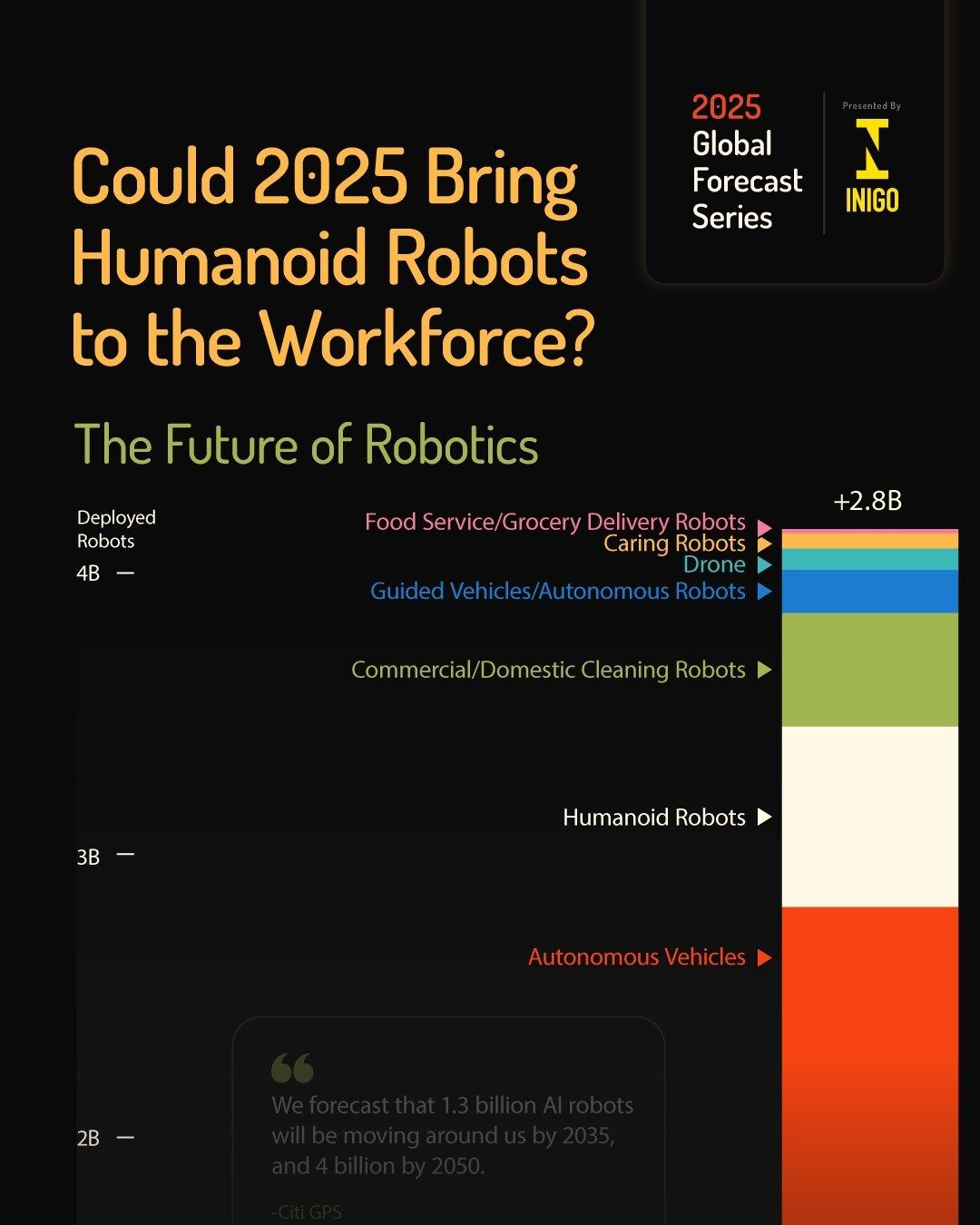
In 2025, the workforce is predicted to see a significant shift with the introduction of humanoid robots. This transformation is part of a broader trend in robotics growth that includes not only humanoid robots but also autonomous vehicles, robots for food service and grocery delivery, and cleaning robots.
Why This Matters
The integration of humanoid robots and other advanced technologies into the workforce will have profound implications for various industries and daily life. Understanding the scope and impact of this transformation can help businesses and individuals prepare for the changes ahead. The forecast includes various types of robots expected to increase significantly over the next few years, reshaping how we live and work.
The Future Landscape of Robotics
Humanoid Robots in the Workforce
Humanoid robots are designed to mimic human movements and capabilities, making them versatile for a wide range of tasks. By 2025, these robots are expected to be deployed in significant numbers across various sectors, from manufacturing to customer service. Their ability to perform complex tasks and interact with humans makes them a valuable addition to the workforce.
Autonomous Vehicles
Autonomous vehicles are another critical area of growth. These vehicles are expected to revolutionize transportation, logistics, and delivery services. By 2025, autonomous vehicles will likely become more common, reducing the need for human drivers and improving efficiency in transportation networks.
Robots for Food Service and Grocery Delivery
The demand for food service and grocery delivery robots is also projected to surge. These robots can handle tasks such as food preparation, delivery, and stock management, making them invaluable in the food industry. By 2025, the deployment of these robots is expected to increase significantly, enhancing the efficiency and reliability of food service and grocery delivery operations.
Commercial and Domestic Cleaning Robots
Cleaning robots are another emerging trend. These robots can perform a variety of cleaning tasks in both commercial and domestic settings, from office buildings to homes. Their ability to operate autonomously and efficiently makes them a cost-effective solution for maintaining cleanliness in various environments.
Deployed Robots: The Numbers
The forecast predicts that by 2025, there will be a significant increase in the number of deployed robots. Specifically, the number of AI robots is expected to reach 4 billion by 2050, with 1.3 billion AI robots already in use by 2035. This rapid growth highlights the accelerating pace of robotics adoption and its impact on various industries.
Practical Tips for Navigating the Robotics Revolution
As the future of robotics unfolds, it's essential to stay informed and prepared. Here are some practical tips for navigating this rapidly evolving landscape:
Stay Informed
Keep up-to-date with the latest developments in robotics and AI. This includes reading industry reports, attending conferences, and following relevant news sources. Understanding the latest trends and technologies can help you stay ahead of the curve.
Invest in Training
As robotics becomes more integrated into the workforce, investing in training and skill development is crucial. This includes learning about robotics technologies, AI, and how to work effectively with robotic systems. Many educational institutions and online platforms offer courses and certifications in these areas.
Adapt Business Strategies
For businesses, adapting strategies to incorporate robotics and AI is essential. This may involve reevaluating workflows, investing in new technologies, and training employees to work alongside robotic systems. By embracing these changes, businesses can enhance their efficiency and competitiveness in the market.
Think About Job Transformation
The integration of robotics into the workforce will likely lead to job transformation rather than job displacement. Employees may need to adapt to new roles that involve managing and working with robotic systems. By focusing on reskilling and upskilling, individuals can prepare for these changes and thrive in the new robotics-driven economy.
Important Takeaways
The future of robotics is poised to transform various industries and daily life in profound ways. Key takeaways include:
- Humanoid robots will become integral to the workforce, performing complex tasks and interacting with humans.
- Autonomous vehicles will revolutionize transportation and logistics, reducing the need for human drivers.
- Robots for food service and grocery delivery will enhance efficiency and reliability in the food industry.
- Cleaning robots will maintain cleanliness in both commercial and domestic settings.
- Significant growth in the number of deployed robots is expected, with projections reaching 4 billion by 2050.
Understanding these trends and preparing for the future of robotics will be crucial for businesses and individuals alike.
Conclusion
The year 2025 promises a significant leap in the deployment and integration of humanoid robots and other advanced technologies into the workforce and daily life. By staying informed, investing in training, and adapting strategies, individuals and businesses can navigate this transformation effectively. The future of robotics is not just about technological advancements but also about how we prepare for and embrace the changes they bring. As we move closer to 2025, the time to start planning for this robotics revolution is now.
Watch the Reel
Questions readers ask
What industries are expected to see the most significant changes from humanoid robots by 2025?
Humanoid robots are expected to make a substantial impact in various industries, including food service, grocery delivery, and cleaning services. Additionally, sectors like manufacturing, healthcare, and retail will likely see significant changes as these robots take on more complex tasks, from assembly line work to customer interaction.
How will autonomous vehicles and delivery robots transform everyday life by 2025?
Autonomous vehicles and delivery robots will likely reduce the need for human drivers in logistics and transportation. This shift could lead to faster, more efficient delivery services, and potentially lower costs for consumers, as well as fewer traffic accidents due to human error.
What role will robots equipped with GPS systems play in the workforce by 2025?
Robots equipped with GPS systems will enhance navigational capabilities, enabling them to operate more efficiently in dynamic environments. This technology will be crucial for autonomous delivery robots, allowing them to navigate urban landscapes and optimise delivery routes, while also assisting in warehouse management and inventory tracking.
What are the expected benefits of integrating humanoid robots in the workforce?
The integration of humanoid robots in the workforce is expected to increase efficiency and productivity, as robots can handle repetitive tasks with precision and consistency. Additionally, they can reduce the risk of workplace injuries by taking on dangerous tasks, and provide assistance in areas where human labor is scarce or costly.
How might the increased use of humanoid robots in the workforce affect job opportunities?
The increased use of humanoid robots may lead to a shift in job opportunities, with new roles in robotics maintenance, programming, and management emerging. However, it could also result in job displacement in sectors where tasks are highly automated, necessitating reskilling and upskilling of the workforce to adapt to these changes.
What are the potential challenges in implementing humanoid robots in the workplace by 2025?
One of the primary challenges is ensuring seamless human-robot interaction, which requires advanced programming and AI. Additionally, there are concerns about job displacement, the need for new skills in the workforce, and the potential for public resistance to robots in certain roles, such as customer service and caregiving.
What advancements in technology are driving the forecasted growth of the robotic workforce by 2025?
Advancements in AI, machine learning, and sensor technology are driving the growth of the robotic workforce. These technologies enable robots to perform complex tasks, navigate environments, and interact with humans more effectively. Improvements in battery technology and materials science are also contributing to the development of more durable and efficient robots.
Related deep dives
Similar reads based on topic and creator.


Recent articles
Fresh deep dives from the latest Reels we unpacked.




Comments
Be the first to comment.