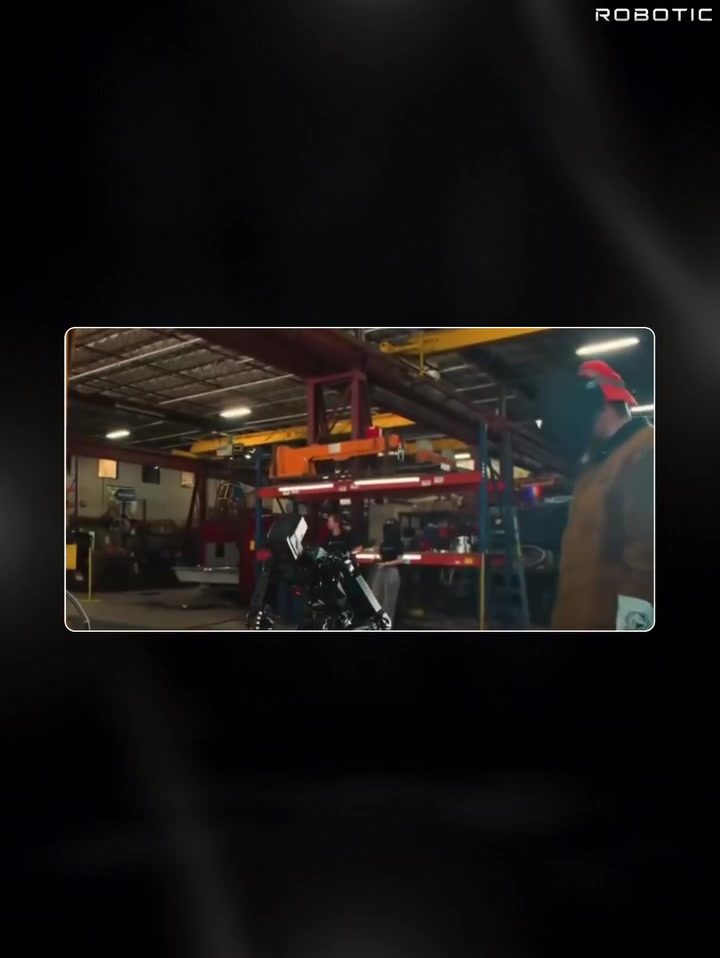
The Rise of Humanoid Robots in Industrial Welding
Industrial welding is notoriously hazardous, with workers facing extreme heat, toxic fumes, and the risk of burns and other injuries. This is where humanoid robots come into play. In collaboration with Persona AI, Hyundai is at the forefront of developing humanoid robots capable of performing complex industrial welding tasks. These robots are designed to handle the most dangerous aspects of welding, thereby improving worker safety, addressing skilled labor shortages, and increasing manufacturing efficiency.
Why this Matters
The integration of humanoid robots in industrial welding represents a significant shift in how hazardous tasks are managed in heavy industry. By taking on some of the most dangerous jobs, these robots can create a safer working environment for human workers. This not only reduces the risk of injuries but also addresses the skilled labor shortages that many industries face. Additionally, the increased efficiency brought about by automated processes can lead to faster production times and lower operational costs.
With the advancements in humanoid robotics, industrial welding is poised to become one of the first real-world applications where humans and robots work side by side. This collaboration can lead to a more efficient and safer working environment, benefiting both workers and the industry as a whole.
The Role of Robotic Arms in Industrial Welding
Robotic arms are a key component in the automation of welding tasks. These advanced machines are equipped with precision movement and control capabilities, allowing them to perform welding tasks with a high degree of accuracy. The use of robotic arms in welding has several advantages, including:
Precision and Automation
Robotic arms are programmed to perform welding tasks with a high degree of precision, ensuring consistent and high-quality welds. This level of precision is difficult to achieve with manual welding and can lead to improved product quality and reduced defect rates. Additionally, robotic arms can operate continuously without the need for breaks, increasing production efficiency.
Safety and Worker Protection
One of the primary advantages of using robotic arms in welding is the increased safety they provide. Welding involves high heat, toxic fumes, and the risk of burns, making it one of the most hazardous jobs in heavy industry. By taking over these dangerous tasks, robotic arms can reduce the risk of injuries to human workers, creating a safer working environment.
Addressing Skilled Labor Shortages
The use of robotic arms in welding can also address the skilled labor shortages that many industries face. With the increasing demand for complex welding tasks, there is a growing need for skilled welders. Robotic arms can help fill this gap by performing welding tasks with a high degree of precision and consistency, reducing the reliance on human workers for these tasks.
Increasing Manufacturing Efficiency
Robotic arms can also increase manufacturing efficiency by reducing production times and lowering operational costs. With the ability to operate continuously without the need for breaks, robotic arms can complete welding tasks faster than human workers. Additionally, the reduced defect rates and improved product quality can lead to fewer production delays and lower operational costs.
The Role of Hyundai and Persona AI in Humanoid Robotics
Hyundai and Persona AI are collaborating to develop humanoid robots capable of performing complex industrial welding tasks. These robots are designed to handle the most dangerous aspects of welding, thereby improving worker safety, addressing skilled labor shortages, and increasing manufacturing efficiency.
Advanced Movement and Control
Hyundai and Persona AI's humanoid robots are equipped with advanced movement and control capabilities, allowing them to perform welding tasks with a high degree of precision and accuracy. This level of precision is difficult to achieve with manual welding and can lead to improved product quality and reduced defect rates.
Real-World Applications
Humanoid robotics has the potential to revolutionize the way industrial tasks are performed. By handling work in high-heat, hazardous environments, these robots can improve worker safety, address skilled labor shortages, and increase manufacturing efficiency. As humanoid robotics continues to advance, dangerous industrial jobs may become one of the first real-world applications where humans and robots work side by side.
Practical Tips for Implementing Robotic Welding
When implementing robotic welding in an industrial setting, there are several practical tips to keep in mind:
- Invest in Quality Equipment: To ensure consistent and high-quality welds, it is important to invest in quality robotic welding equipment. This includes robotic arms, welding tools, and software.
- Train Your Team: Proper training is essential for the successful implementation of robotic welding. Ensure that your team is trained in the operation and maintenance of the robotic welding equipment.
- Prioritize Safety: Safety should always be a top priority when implementing robotic welding. Ensure that your robotic welding equipment is properly maintained and that all safety protocols are followed.
- Monitor Performance: Regularly monitor the performance of your robotic welding equipment to ensure that it is operating at peak efficiency. This includes checking for defects, maintaining the equipment, and updating the software as needed.
Important Takeaways
Robotic arms and humanoid robots are playing an increasingly important role in industrial welding, offering numerous benefits such as precision, automation, safety, and increased efficiency. By taking over some of the most dangerous aspects of welding, these robots can create a safer working environment for human workers while addressing skilled labor shortages and increasing manufacturing efficiency.
Safety First
For companies implementing robotic welding, prioritizing safety is critical. Ensure that all robotic welding equipment is properly maintained and that all safety protocols are followed to prevent accidents and injuries.
Quality Equipment
Investing in high-quality robotic welding equipment is essential for achieving consistent and high-quality welds. This includes robotic arms, welding tools, and software.
Continuous Monitoring
Regularly monitor the performance of your robotic welding equipment to ensure that it is operating at peak efficiency. This includes checking for defects, maintaining the equipment, and updating the software as needed.
Addressing Labor Shortages
Robotic welding can help address skilled labor shortages by performing welding tasks with a high degree of precision and consistency, reducing the reliance on human workers for these tasks.
Conclusion
The development and implementation of humanoid robots in industrial welding mark a significant advancement in the field of industrial automation. By handling the most dangerous aspects of welding, these robots can improve worker safety, address skilled labor shortages, and increase manufacturing efficiency. With the collaboration of companies like Hyundai and Persona AI, the future of industrial welding looks bright, with the potential for humans and robots to work side by side in real-world applications. As the technology continues to advance, the benefits of robotic welding will only become more pronounced, leading to a safer and more efficient industrial environment.
Watch the Reel
Questions readers ask
How do humanoid robots enhance safety in industrial welding settings?
Humanoid robots are designed to handle the most hazardous aspects of welding, such as extreme heat and toxic fumes, reducing human exposure to these risks. By taking on these dangerous tasks, they help prevent burns and other injuries among workers.
Which companies are leading the development of humanoid robots for industrial welding?
Companies like Hyundai, in collaboration with Persona AI, are at the forefront of developing humanoid robots for industrial welding. These robots are specifically designed to handle complex and dangerous welding tasks, enhancing worker safety and manufacturing efficiency.
What are the benefits of using automated welding robots in addressing labor shortages?
Automated welding robots can help address labor shortages by taking on tasks that require high levels of skill. This allows companies to maintain production levels even when there is a shortage of skilled welders, ensuring that manufacturing processes remain efficient.
How do humanoid robots improve manufacturing efficiency in welding tasks?
Humanoid robots can perform welding tasks with consistent precision and speed, reducing the time and resources required for each job. This automation enables industries to increase their production output and meet demands more efficiently, without compromising on quality.
What are the key features of humanoid robot arms used in industrial welding?
Humanoid robot arms used in industrial welding are designed to mimic human movements, allowing them to handle complex tasks with agility and precision. They are equipped with advanced sensors and control systems to ensure accurate welding and safety compliance, making them ideal for hazardous environments.
What roles do humanoid robots play in industrial automation welding?
Humanoid robots play a crucial role in industrial automation welding by taking on the most hazardous and complex tasks, which improves worker safety and addresses labor shortages. Their ability to perform consistently and efficiently helps in maintaining high production standards and boosting manufacturing output.
How does the integration of humanoid robots in welding affect the future of industrial automation?
The integration of humanoid robots in welding is set to revolutionize industrial automation by making it safer, more efficient, and less dependent on manual labor. As technology advances, these robots will continue to take on more complex tasks, driving further innovation in the field.
Related deep dives
Similar reads based on topic and creator.



Recent articles
Fresh deep dives from the latest Reels we unpacked.




Comments
Be the first to comment.