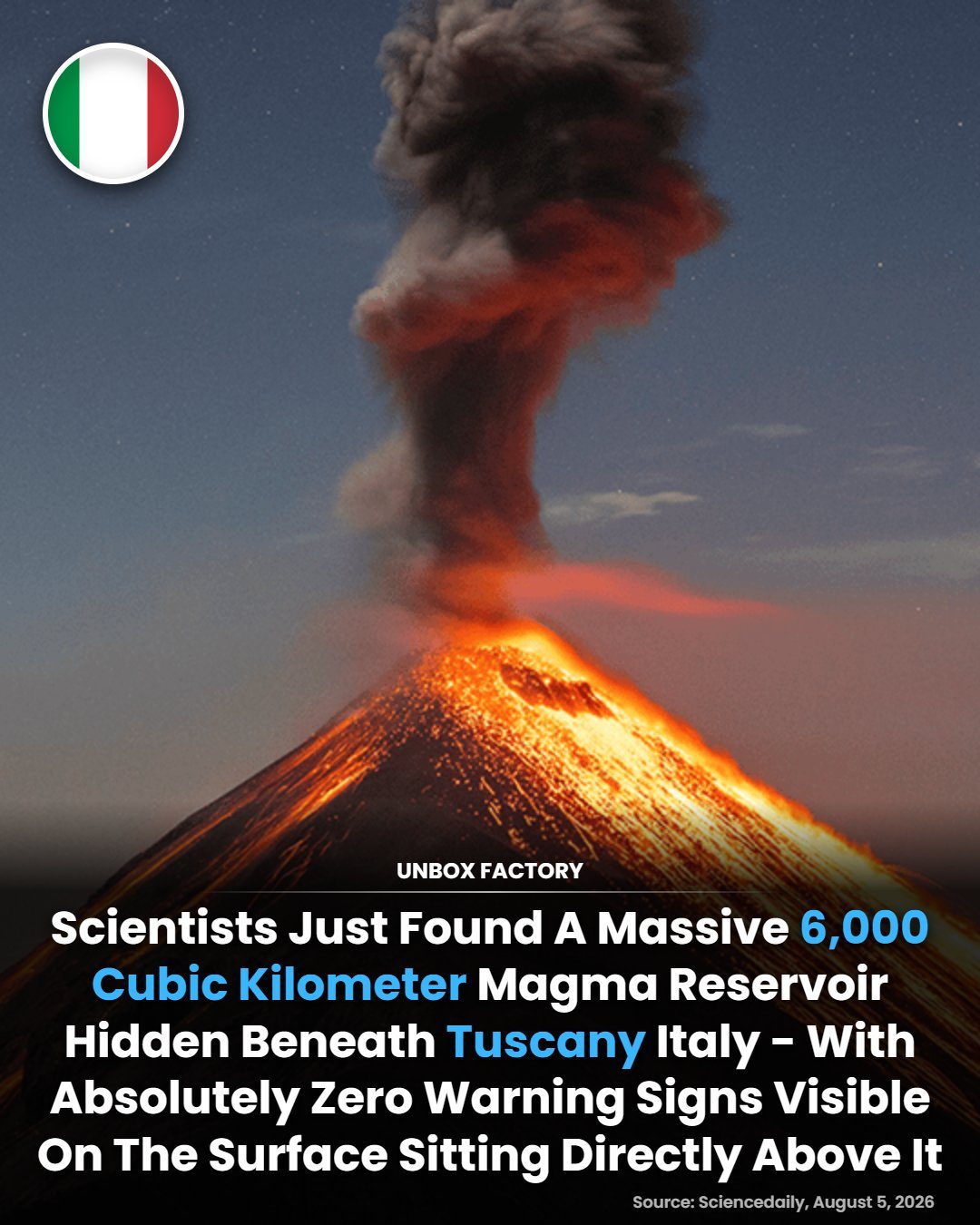
Volcanic Magma Reservoir Beneath Tuscany
A previously unknown 6,000-cubic-kilometer magma reservoir has been discovered deep beneath Tuscany, Italy. This massive underground structure, identified using advanced seismic imaging techniques, has raised both interest and concerns among geologists and the public. The discovery reveals the complex nature of Earth's volcanic systems and highlights the challenges in monitoring underground activity.
Why This Matters
The finding of such a large magma reservoir is significant for several reasons. Primarily, it underscores the need for continuous improvement in volcanic hazard assessments. Tuscany is part of one of Europe's most geologically active regions, making the understanding of these hidden reservoirs crucial for public safety and infrastructure planning. Moreover, the discovery emphasizes that there can be substantial volcanic activity below the surface without obvious warning signs above ground.
Main Discussion
The Discovery and Its Implications
The magma reservoir, discovered using advanced seismic imaging, is a testament to the evolving capabilities of modern geoscience. Seismic imaging techniques allow scientists to map subsurface structures by analyzing how seismic waves travel through the Earth. This method has been instrumental in identifying the vast magma chamber, which spans 6,000 cubic kilometers—a volume that is hard to comprehend given its depth and absence of surface indicators.
The Absence of Surface Warning Signs
One of the most astonishing aspects of this discovery is the lack of visible warning signs on the surface. Typically, magma reservoirs closer to the surface exhibit clear indicators such as geological deformation, increased heat flow, or gas emissions. The absence of these signs in Tuscany showcases the complexity and unpredictability of Earth's volcanic systems. It also raises questions about the reliability of traditional monitoring methods and the need for more sophisticated detection techniques.
Understanding Magma Accumulation
The discovery of this reservoir provides valuable insights into how magma accumulates beneath volcanic regions. Magma reservoirs are formed when molten rock, or magma, accumulates in pockets beneath the Earth's surface. Over time, these pockets can grow and migrate, potentially leading to volcanic eruptions. The study of this reservoir can help scientists understand the dynamics of magma movement and accumulation, improving our ability to predict and prepare for future volcanic activity.
Practical Tips
For those living in or planning to visit volcanic regions, this discovery serves as a reminder to stay informed about local geological conditions. Regular updates from reliable sources, such as national geological surveys, can provide essential information about volcanic hazards and safety measures. Additionally, understanding the basics of volcanic activity and monitoring can help individuals make informed decisions about their safety.
What to Do in Case of Volcanic Activity
While the discovery in Tuscany does not indicate an imminent eruption, it is essential to be prepared for any eventuality. Here are some practical tips:
- Stay Informed: Regularly check updates from local authorities and reliable sources for any changes in volcanic activity.
- Know the Signs: Familiarize yourself with the signs of increasing volcanic activity, such as earthquake swarms, gas emissions, and ground deformation.
- Have an Emergency Plan: Develop a plan for evacuation and communication in case of an eruption. This should include knowing safe routes and designated meeting points.
- Prepare an Emergency Kit: Include essentials such as water, food, medications, and important documents. Also, have a portable radio and a flashlight in case of power outages.
Living in Volcanic Regions
For residents in volcanic regions, ongoing awareness and preparedness are key. Here are some steps to ensure safety:
- Understand Local Geology: Learn about the specific volcanic risks in your area. This knowledge can help you identify potential hazards and take necessary precautions.
- Participate in Community Programs: Many communities in volcanic regions offer preparedness programs and drills. Participating in these can enhance your readiness and response capabilities.
- Maintain Communication: Have a communication plan with family and friends. Ensure that everyone knows how to get in touch and where to meet in case of an evacuation.
Important Takeaways
The discovery of the magma reservoir beneath Tuscany underscores several critical points:
- Advanced Technology: Seismic imaging techniques are vital for detecting underground volcanic activity and improving hazard assessments.
- Surface Indicators: The absence of surface warning signs highlights the need for continuous monitoring and advanced detection methods.
- Public Safety: Understanding volcanic systems and preparing for potential eruptions are essential for public safety and the well-being of communities in volcanic regions.
- Geological Complexity: Earth's volcanic systems are more complex than previously thought, necessitating ongoing research and innovation in geoscience.
Conclusion
The discovery of a 6,000-cubic-kilometer magma reservoir beneath Tuscany, Italy, is a significant milestone in our understanding of volcanic activity. It emphasizes the importance of advanced monitoring techniques and preparedness in regions prone to volcanic hazard. While this discovery does not signal an imminent eruption, it reminds us of the dynamic and unpredictable nature of Earth's volcanic systems. By staying informed, prepared, and aware, we can better navigate the risks associated with living in geologically active regions.
Watch the Reel
Questions readers ask
How was the magma reservoir under Tuscany discovered?
The magma reservoir was discovered using advanced seismic imaging techniques. These methods allow scientists to create detailed images of underground structures, revealing the previously unknown 6,000 cubic kilometer feature.
What makes the discovery of this magma reservoir significant?
The discovery is significant because it highlights the challenges in monitoring volcanic hazards and predicting volcanic activity. It also underscores the need for continuous improvement in volcanic hazard assessments, especially in a geologically active region like Tuscany.
Are there any surface warning signs associated with this discovery?
No, there are currently no surface warning signs associated with this discovery. This absence of visible indicators makes it difficult to predict potential volcanic activity and emphasizes the importance of advanced monitoring techniques.
How does this discovery impact the monitoring of volcanic hazards in Tuscany?
This discovery has raised concerns about the monitoring of volcanic hazards in Tuscany. It highlights the need for more advanced and continuous monitoring methods to better understand and predict potential volcanic activity in the region.
What is the size of the magma reservoir discovered beneath Tuscany?
The magma reservoir discovered beneath Tuscany is approximately 6,000 cubic kilometers in size. This massive underground structure is one of the largest magma reservoirs ever identified, contributing to our knowledge of Earth's volcanic systems.
Related deep dives
Similar reads based on topic and creator.


Recent articles
Fresh deep dives from the latest Reels we unpacked.




Comments
Be the first to comment.