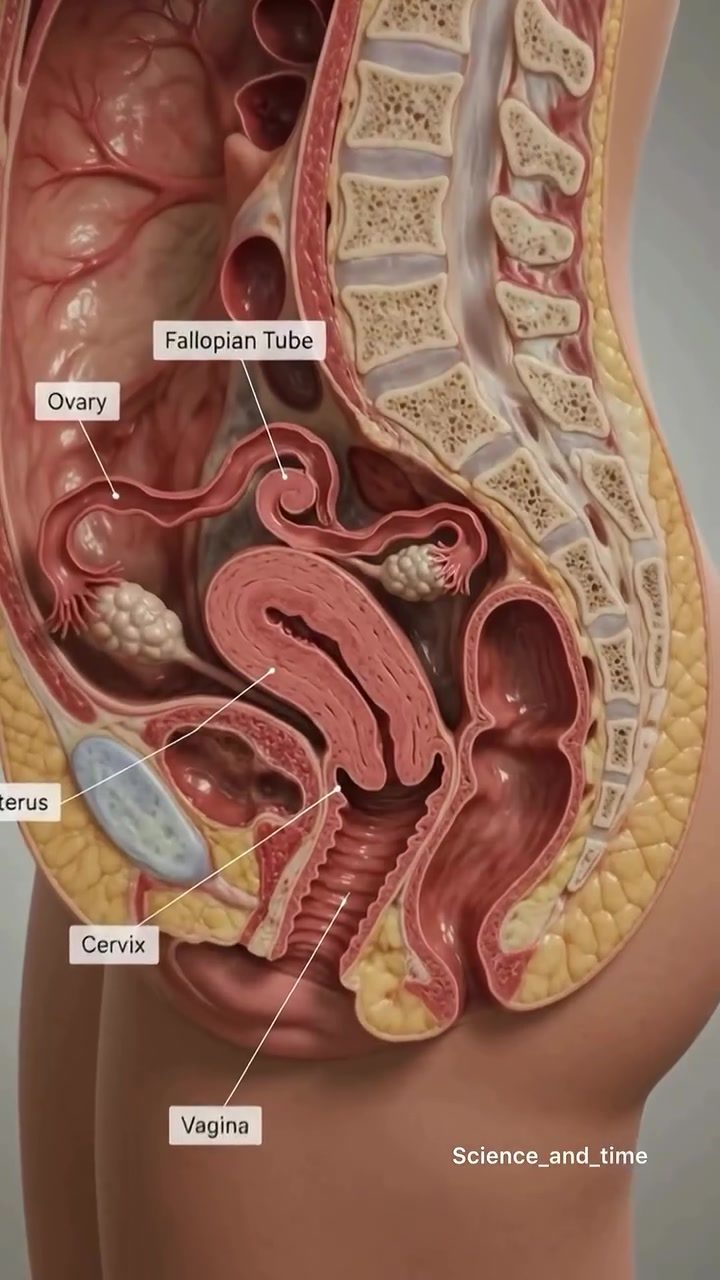
Twin Formation: A Journey from a Single Cell to Two Lives
Twin formation is a complex and remarkable process that begins with a single cell and culminates in the development of two unique lives. The journey from a fertilized egg to twin embryos is both fascinating and intricate, involving several critical stages, each with its own significance.
Why This Matters
Twin pregnancies are a subject of great interest and wonder. Understanding how twins form can provide valuable insights into human reproduction, genetic variation, and prenatal development. The process of twin formation also highlights the natural diversity and complexity of human biology, offering a deeper appreciation for the uniqueness of each pregnancy.
Main Discussion
Fertilization and the Formation of the Zygote
The journey of twin development begins in the fallopian tubes, where one sperm fertilizes an egg. This fertilization event marks the beginning of human development, as the sperm and egg combine to form a single-cell zygote. This zygote contains the complete genetic makeup of the future individual, setting the stage for the development of a new life.
Embryo Development and Blastocyst Formation
Over the course of five days, the zygote undergoes several cell divisions, transforming into a multicellular embryo. At this stage, the embryo continues to divide rapidly, eventually forming a blastocyst—a structure composed of several hundred cells. The blastocyst is crucial for the next stage of development, as it prepares to implant into the uterine lining.
Implantation and Continued Development
Around six days after fertilization, the blastocyst reaches the uterus and begins the process of implantation. This involves the blastocyst burrowing into the endometrium, or the lining of the uterus. Successful implantation is a critical step, as it provides the necessary environment for the embryo to continue its development. Once implanted, the embryo will develop further, drawing nutrients and support from the maternal blood supply.
The Formation of Twins
Twins can form in two distinct ways, each leading to different types of twins with unique characteristics.
Identical Twins
Identical twins, also known as monozygotic twins, develop from a single fertilized egg. In this process, the zygote splits naturally into two separate embryos. The timing of this split determines how the twins will share their placenta and amniotic sac.
- Early Split (Days 1-3): If the zygote splits within the first few days after fertilization, the resulting twins will have separate placentas and separate amniotic sacs. This is known as dichorionic diamniotic (DCDA) twinning.
- Later Split (Days 4-8): If the split occurs later, the twins may share a single placenta but have separate amniotic sacs, known as monochorionic diamniotic (MCDA) twinning.
- Very Late Split (After Day 8): In rare cases, the split occurs very late, resulting in twins that share both a placenta and an amniotic sac, known as monochorionic monoamniotic (MCMA) twinning.
Fraternal Twins
Fraternal twins, or dizygotic twins, develop from two separate eggs that are fertilized by two different sperm. Each fertilized egg develops into an embryo independently, resulting in twins who share no more genetic material than ordinary siblings. Fraternal twins always have separate placentas and separate amniotic sacs, making their development independent of each other.
Unique Journeys
Every twin pregnancy is unique, shaped by a variety of biological and genetic factors. The journey from a single beginning to two growing lives is a testament to the remarkable adaptability and complexity of human biology. Whether identical or fraternal, each set of twins represents a unique and extraordinary path of development, shaped by both nature and nurture.
Practical Tips
While the process of twin formation is largely beyond human control, there are several practical considerations for those who are pregnant with twins.
Prenatal Care
Regular prenatal check-ups are crucial for monitoring the health and development of both the mother and the twins. Twins often require more frequent monitoring due to the increased risks associated with multiple pregnancies, such as preterm labor and gestational diabetes.
Nutrition and Lifestyle
A balanced diet rich in essential nutrients is vital for supporting the growth and development of twins. Prenatal vitamins and supplements can help ensure that both the mother and the babies receive adequate nutrition. Maintaining a healthy lifestyle, including regular exercise and avoiding harmful substances, can also contribute to a successful pregnancy.
Preparation for Delivery
Twins often arrive earlier than single babies, so it's essential to be prepared for potential preterm labor. Expectant parents should discuss delivery options with their healthcare providers and consider attending childbirth classes tailored to multiple births.
Important Takeaways
The formation of twins is a captivating journey that combines the wonder of human biology with the complexity of genetic variation. Whether identical or fraternal, twins represent a unique and extraordinary path of development. Understanding the processes involved—from fertilization and implantation to embryo division and placental sharing—can deepen appreciation for the intricacies of human reproduction and the diversity of life.
Embryonic Development
Embryonic development is a delicate and critical stage, where the zygote transforms into a blastocyst and eventually implants into the uterus. This process sets the foundation for the growth and development of the embryo, highlighting the importance of successful implantation.
Types of Twins
Identical twins result from a single fertilized egg splitting into two, while fraternal twins develop from two separate, fertilized eggs. The timing of the split in identical twins determines their placental and amniotic sac arrangements, affecting their shared biological environment.
Pregnancy Considerations
Pregnancies involving twins require specialized care and attention. Regular prenatal check-ups, a balanced diet, and a healthy lifestyle are essential for supporting the health and development of both the mother and the twins. Being prepared for potential complications, such as preterm labor, is also crucial for a successful twin pregnancy.
Conclusion
The formation of twins is a remarkable journey that showcases the complexity and beauty of human biology. From a single fertilized egg to two growing lives, the process involves intricate stages of development, each with its own significance. Understanding the science behind twin formation can provide valuable insights and appreciation for the diverse and extraordinary nature of human reproduction. Whether identical or fraternal, each set of twins represents a unique and fascinating journey, shaping the future of two lives from the moment of conception.
Watch the Reel
Questions readers ask
What triggers the formation of identical twins?
Identical twins form when a single fertilized egg, or zygote, splits into two separate embryos. This typically occurs within the first two weeks of development, specifically during the blastocyst stage, while the fertilized egg is still in the fallopian tubes. The split can result in two embryos with identical genetic material, leading to identical twins.
How does the development of fraternal twins differ from identical twins?
Fraternal twins, also known as dizygotic twins, develop from two separate fertilized eggs. This means that each twin has its own placenta and amniotic sac, unlike identical twins who share these structures. Fraternal twins can be of the same sex or different sexes, and they are genetically as similar as any other siblings, sharing about 50% of their genetic material.
What are the key stages in the development of twins in the uterus?
The development of twins in the uterus follows a similar timeline to that of a single fetus but with unique aspects. During the first trimester, the embryos grow rapidly, and the placenta and amniotic sacs form. The second trimester involves significant growth and the development of organs. In the third trimester, the twins gain weight and prepare for birth, with careful monitoring to ensure both are developing healthily.
Are there any unique challenges associated with twin pregnancies?
Twin pregnancies can present unique challenges due to the increased demands on the mother's body. Potential complications include preterm labor, gestational diabetes, and pregnancy-induced hypertension. Regular prenatal check-ups are crucial to monitor the health of both twins and the mother, ensuring timely interventions if necessary.
What factors influence the natural diversity observed in twin pregnancies?
The natural diversity in twin pregnancies is influenced by various factors, including genetic makeup, environmental conditions, and the specific circumstances of fertilization and implantation. For instance, identical twins may have slight variations due to differences in the intrauterine environment, while fraternal twins exhibit greater variability due to their distinct genetic profiles.
How do twins interact with each other in the womb?
Twins in the womb can interact in fascinating ways. They may touch, hold, and even play with each other, developing a unique bond that can continue post-birth. In some cases, twins may share amniotic fluid and nutrients, which can affect their development and behavior. Identical twins, sharing the same genetic material, may exhibit similar behaviors and preferences, while fraternal twins might show more individuality.
What role does the placenta play in the development of twins?
The placenta is vital in the development of twins, providing essential nutrients and oxygen to the growing embryos. In identical twins, a single placenta is often shared, while fraternal twins typically have separate placentas. The structure and function of the placenta can influence the health and growth of the twins, making regular monitoring an essential aspect of prenatal care.
Related deep dives
Similar reads based on topic and creator.




Recent articles
Fresh deep dives from the latest Reels we unpacked.




Comments
Be the first to comment.