Painkillers: The Science Behind Pain Relief
Painkillers are a staple in many medicine cabinets, providing relief from aches and pains. But have you ever stopped to wonder how a tiny painkiller knows exactly where it hurts? The truth is more fascinating than you might think.
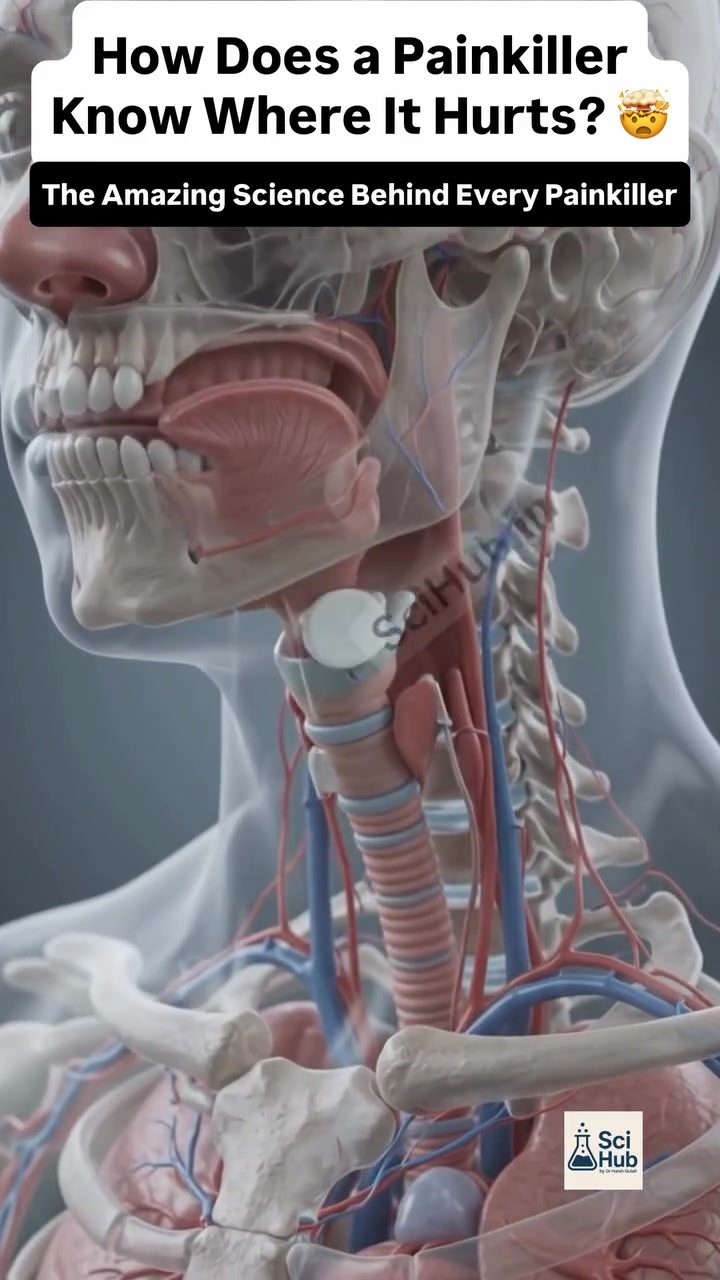
The journey of a painkiller begins in the digestive system. After swallowing a tablet, it starts to dissolve in the stomach. As it breaks apart, thousands of tiny medicine particles are released, ready for the next stage of their journey through the body.
Most painkillers are absorbed in the small intestine. From here, the medicine enters the bloodstream, which carries it throughout the body.
The bloodstream distributes the medicine everywhere, including the injured area where inflammation is taking place. This is where the real magic happens. Painkillers work by reducing the chemicals that trigger pain and inflammation, known as prostaglandins. By doing so, fewer pain signals reach the brain, and the discomfort gradually fades.
Painkillers don't have a GPS to locate the exact source of pain. Instead, they circulate throughout the entire body, working wherever pain-causing chemicals are produced. This includes areas of the body where inflammation is present, making the relief a more generalized process.
The Journey of a Painkiller
The path a painkiller takes from ingestion to pain relief is a complex process involving several key steps:
- Dissolution: The tablet begins to dissolve in the stomach, releasing tiny medicine particles.
- Absorption: The medicine is absorbed in the small intestine and enters the bloodstream.
- Circulation: The bloodstream carries the medicine throughout the body, including areas of inflammation and pain.
- Action: The medicine reduces the production of prostaglandins, which are chemicals that trigger pain and inflammation.
How Painkillers Work
Painkillers interact with the body at a cellular level, targeting specific chemicals that cause pain and inflammation. This process involves several key components:
- Prostaglandins: These are chemicals that trigger pain and inflammation in the body. Painkillers work by inhibiting the production of prostaglandins, reducing the pain signals sent to the brain.
- Bloodstream Distribution: The medicine circulates throughout the body, ensuring that it reaches areas where inflammation and pain are present.
- Reduction of Pain Signals: By reducing the production of prostaglandins, painkillers help to decrease the number of pain signals sent to the brain, providing relief from discomfort.
Why Understanding This Matters
Understanding how painkillers work can provide valuable insights into the human body and the complex biological processes that occur every day. This knowledge can help individuals make more informed decisions about their health and wellness, including when to use painkillers and how to manage pain effectively.
People often assume that painkillers specifically target the source of pain. However, the reality is that painkillers work by reducing the overall levels of pain and inflammation throughout the body. This knowledge can help individuals better understand the limitations and capabilities of painkillers, as well as the importance of using them responsibly.
Practical Tips
When it comes to using painkillers, there are several practical tips to keep in mind:
- Follow Dosage Instructions: Always follow the dosage instructions provided by the manufacturer or your healthcare provider. Taking more than the recommended dose can be dangerous and may lead to serious side effects.
- Consult a Healthcare Provider: If you have any questions or concerns about using painkillers, consult a healthcare provider. They can provide personalized advice and recommendations based on your specific needs and medical history.
- Use as Directed: Painkillers should be used as directed, and for the shortest duration possible. Overuse or misuse can lead to dependence and other health issues.
- Monitor for Side Effects: Pay attention to any side effects you experience while taking painkillers. If you notice any unusual or severe symptoms, contact your healthcare provider immediately.
Important Takeaways
- Painkillers do not have a GPS to locate the exact source of pain. They circulate throughout the body and work wherever pain-causing chemicals are produced.
- The human body is incredibly intelligent and capable of complex biological processes. Understanding these processes can help individuals make more informed decisions about their health.
- Painkillers work by reducing the production of prostaglandins, which are chemicals that trigger pain and inflammation.
- Always follow dosage instructions and consult a healthcare provider if you have any questions or concerns.
Conclusion
Painkillers are an essential tool for managing pain and inflammation. By understanding how they work and the complex biological processes involved, individuals can make more informed decisions about their health and wellness. Whether you're dealing with a minor ache or a more serious condition, knowing the science behind pain relief can help you take better care of yourself and your body.
Watch the Reel
Questions readers ask
How do painkillers know where to go in the body to alleviate pain?
Painkillers don't have a targeting mechanism. Instead, they travel through the bloodstream and are distributed throughout the body, including areas where inflammation is present. The body’s cellular processes then interact with the painkillers in those specific areas to reduce discomfort.
What happens when a painkiller is swallowed and how does it get into the bloodstream?
Once a painkiller is swallowed, it begins to dissolve in the stomach, releasing tiny medicine particles. The majority of the particles are absorbed into the bloodstream via the small intestine from where they are transported throughout the body.
How do painkillers help with inflammation?
Painkillers work by interacting with the body's cellular processes to reduce inflammation. They inhibit the production of compounds that trigger inflammation, thereby alleviating the discomfort associated with it.
Why are painkillers found in many medicine cabinets?
Painkillers are commonly found in medicine cabinets because they offer targeted relief from aches and pains. Their ability to reduce inflammation and discomfort makes them a go-to solution for many people experiencing minor injuries or discomfort.
What is the role of the bloodstream in pain relief?
The bloodstream plays a crucial role in pain relief by transporting painkillers throughout the body. This ensures that the medicine reaches the areas where it is needed, helping to reduce inflammation and alleviate pain effectively.
Can painkillers provide relief for all types of pain?
Painkillers are effective for a wide range of aches and pains, but their effectiveness can vary depending on the type and severity of the pain. Some painkillers are better suited for mild discomfort, while others are designed for more severe or chronic pain.
Why do painkillers take time to work?
Painkillers take time to work because they need to travel from the digestive system, through the bloodstream, and to the specific areas where they are needed. This process involves various steps, such as absorption and interaction with cellular processes, which can take several minutes to hours.
Related deep dives
Similar reads based on topic and creator.




Recent articles
Fresh deep dives from the latest Reels we unpacked.




Comments
Be the first to comment.