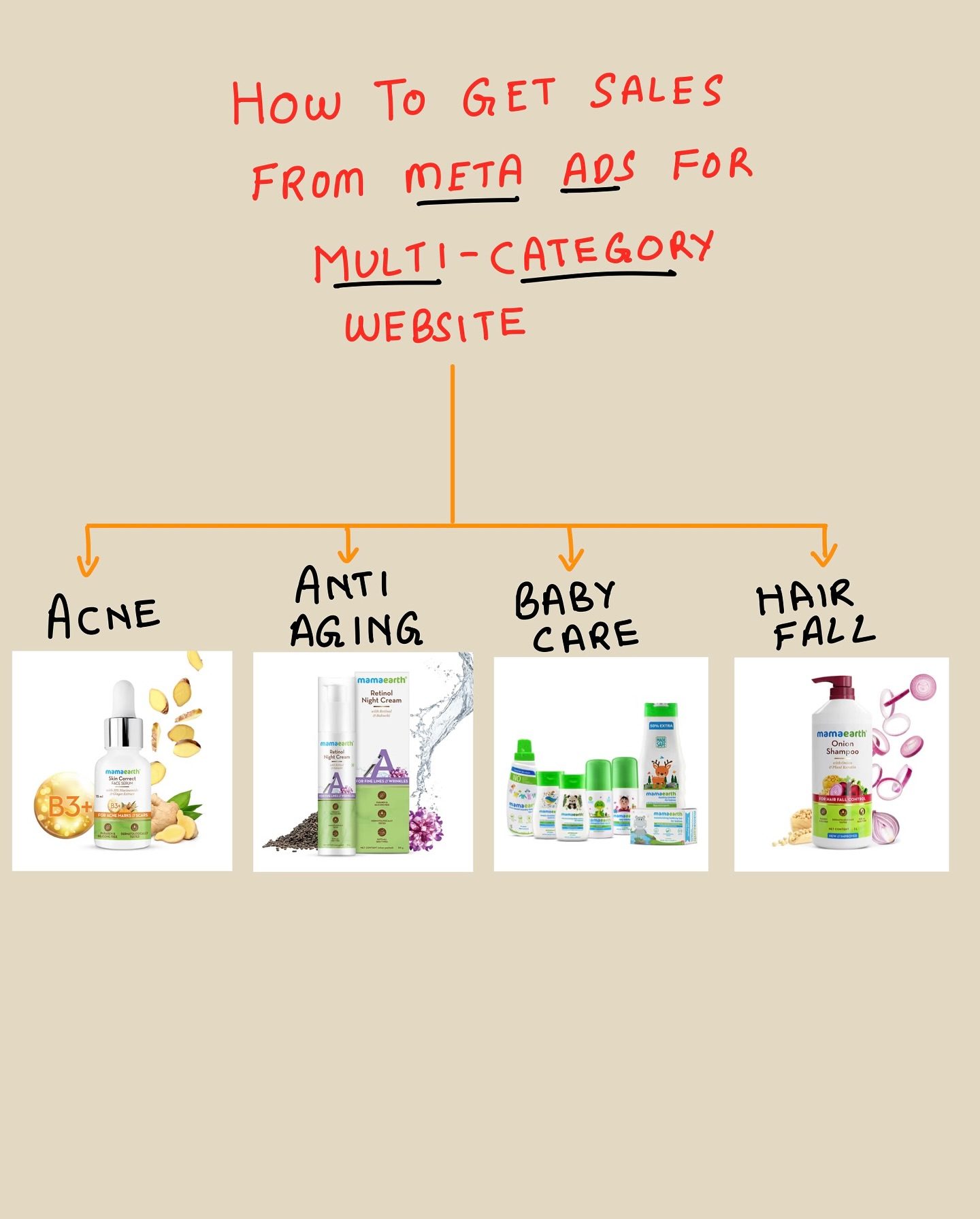
Meta Ads for Multi-Category Websites
Running Meta ads for a multi-category website can be challenging due to the complexity of targeting diverse audiences. The key is to leverage pixel learning and creative strategies to maximize sales across various product categories.
Context / Why this matters
Understanding how to effectively run Meta ads for a multi-category website is crucial for businesses aiming to drive sales across different product lines. Unlike single-category sites, multi-category websites must navigate the intricacies of pixel learning, which doesn't occur in a single direction. This makes it essential to have a well-thought-out strategy that can be adapted for marketplaces with some tweaks in positioning.
Main discussion
Understanding Pixel Learning
Pixel learning is a fundamental aspect of running successful Meta ads. For multi-category websites, it's important to recognize that pixel learning doesn't happen in a single direction. This means that the data collected from user interactions with ads and the website needs to be carefully managed to ensure accurate targeting and effective ad performance.
Targeting Diverse Audiences
One of the primary challenges is targeting diverse audiences effectively. For instance, focusing on categories like acne, anti-aging, baby care, and hair fall requires a nuanced approach. Each category appeals to different demographics and requires tailored creative hooks and ad sets. For example, targeting teens and college students for skin concerns like acne requires a different approach compared to targeting new mothers or expecting parents for baby care products.
Leveraging Expertise
Utilizing experts in India can be a game-changer. These experts can provide valuable insights into local market trends and consumer behaviors, helping to refine ad strategies and improve performance. However, it's essential to avoid overusing certain strategies and instead focus on whitelisting effective tactics to ensure they remain impactful.
Developing Past Purchasers
One effective strategy is to focus on developing past purchasers. For baby care products, this involves targeting new moms, expecting parents, and past purchasers. By creating ad sets based on these personas, businesses can tailor their messaging to resonate with these specific groups, increasing the likelihood of repeat purchases and brand loyalty.
Creative as New Targeting
In 2025, creative content will play a more significant role in ad targeting. This involves using a mix of broad and automated signals to reach the right audience. The creative aspect of ads will be the new targeting method, emphasizing the importance of high-quality, engaging content that speaks directly to the target audience's needs and preferences.
Practical tips
- Segment Your Audience: Break down your audience into distinct groups based on their interests and behaviors. This will allow you to create more personalized and effective ad campaigns.
- Utilize Creative Hooks: Develop creative hooks that resonate with each audience segment. For example, for the skin category, focus on creative hooks that appeal to teens and college students.
- Leverage NLP: Natural Language Processing (NLP) can help identify and analyze customer sentiments and behaviors, allowing for more targeted and effective ad campaigns.
- Focus on Past Purchasers: Develop strategies to target past purchasers, as they are more likely to make repeat purchases. This can be achieved by creating ad sets specifically for these customers.
- Use Expert Insights: Collaborate with experts to gain insights into market trends and consumer behaviors, especially in niche markets like India.
Important takeaways
- Pixel Learning: Understand that pixel learning for multi-category websites doesn't happen in a single direction. This necessitates a nuanced approach to data management and ad targeting.
- Audience Segmentation: Effective targeting requires segmenting your audience into distinct groups based on their interests and behaviors.
- Creative Content: In 2025, creative content will be a significant factor in ad targeting. High-quality, engaging content will be critical for reaching the right audience.
- Leverage Experts: Utilize local experts to gain valuable insights into market trends and consumer behaviors, which can help refine ad strategies.
- Focus on Past Purchasers: Developing past purchasers through targeted ad sets can increase the likelihood of repeat purchases and brand loyalty.
Conclusion
Running Meta ads for a multi-category website requires a strategic approach that leverages pixel learning, audience segmentation, and creative content. By understanding the nuances of pixel learning, targeting diverse audiences effectively, and utilizing experts, businesses can drive sales across various product categories. In 2025, the focus will shift more towards creative targeting, making it essential to invest in high-quality, engaging content that resonates with the target audience.
Watch the Reel
Questions readers ask
What is pixel learning and why is it important for Meta Ads on multi-category websites?
Pixel learning is the process by which Meta's algorithms gather data from the interactions users have with your website, enabling more effective ad targeting. For multi-category websites, it's crucial because it helps tailor ads to specific product lines, ensuring the right audiences see the right ads.
How can I effectively target diverse product lines with Meta Ads?
To effectively target diverse product lines, create separate campaigns or ad sets for each category. Use detailed targeting options to reach specific audiences based on interests, behaviors, and demographics. Custom audiences can also be leveraged to retarget users who have shown interest in particular product categories.
What are some best practices for leveraging local expertise in Meta Ads campaigns?
Leveraging local expertise involves understanding the unique preferences and behaviors of local audiences. This can be achieved by collaborating with local influencers, using location-specific ad copy, and targeting local events or trends. Additionally, analyze local performance data to tailor your campaigns to better resonate with local users.
How do I structure my Meta Ads campaigns for a multi-category website?
Structure your campaigns by creating separate ad sets for each product category. This allows for more tailored targeting and budget allocation. Use the Meta Ads playbook to guide your strategy, and consider using a combination of broad and detailed targeting to reach both general and niche audiences within each category.
Can you provide an example of targeting strategies for specific product lines, such as baby care or acne treatment?
For baby care products, target new parents or expecting parents using life event targeting and interest-based targeting related to parenting. For acne treatment products, focus on teenagers and young adults with interests in skincare and beauty, and consider using keyword targeting to reach users searching for acne-related queries.
How can I optimize my Meta Ads for better performance across diverse product lines?
Optimize your Meta Ads by continuously monitoring performance metrics and adjusting your targeting, ad creative, and bidding strategies accordingly. Use A/B testing to compare different ad variations and identify what resonates best with each audience. Regularly update your targeting based on performance data to ensure your ads remain relevant and effective.
What are some common mistakes to avoid when running Meta Ads for multi-category websites?
Common mistakes include using a one-size-fits-all approach for all product lines, neglecting to leverage local expertise, and failing to set up proper tracking pixels. Avoid these by creating targeted campaigns for each category, utilizing local insights, and ensuring your pixel tracking is correctly implemented to gather accurate data for effective advertising.
Recent articles
Fresh deep dives from the latest Reels we unpacked.




Comments
Be the first to comment.