Loud Sounds and Hearing Loss: Understanding the Impact
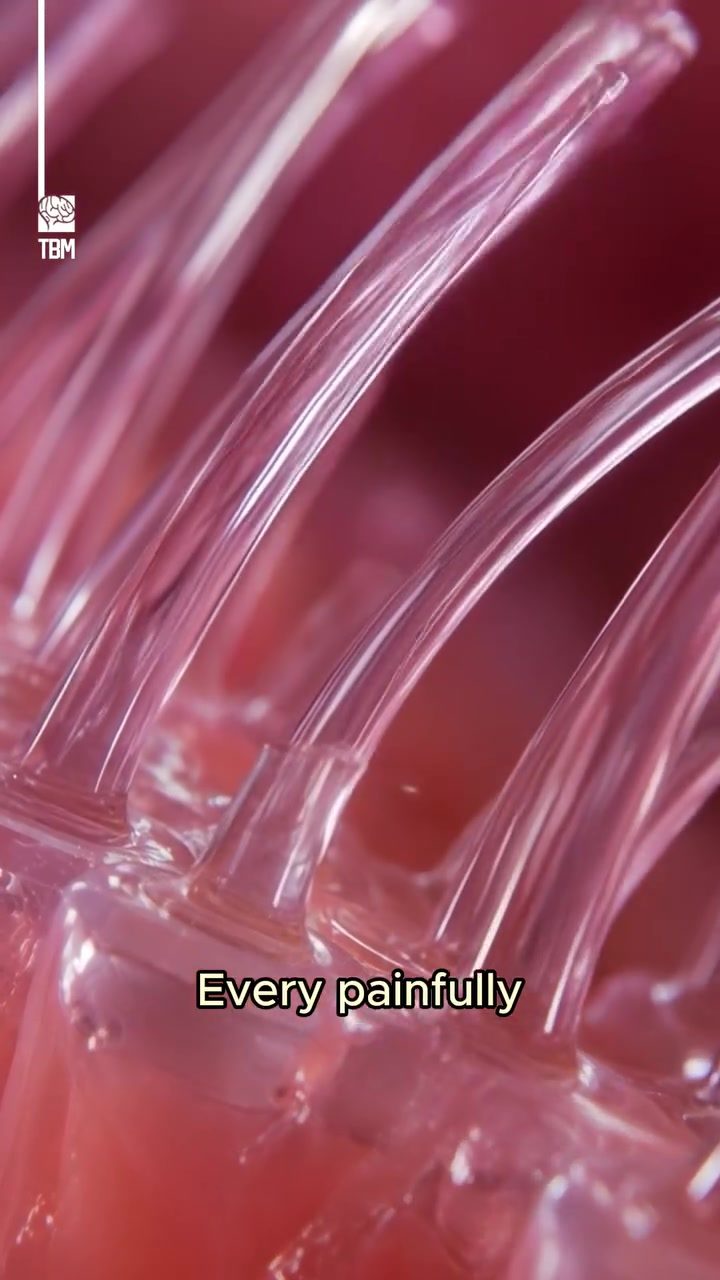
Loud sounds can have a lasting impact on your hearing, and it's important to understand why. Inside your inner ear, thousands of delicate hair cells play a crucial role in converting sound vibrations into electrical signals that your brain interprets as sound. Unfortunately, extremely loud noises such as concerts, fireworks, or machinery can bend these microscopic hair cells so far that they permanently break. Because these sensory hair cells never regenerate, repeated damage gradually leads to permanent hearing loss that cannot be naturally reversed.
Why This Matters
Hearing loss is a significant issue that affects millions of people worldwide. Understanding the mechanisms behind it can help individuals take proactive steps to protect their hearing. Whether you frequently attend loud concerts, work in noisy environments, or enjoy outdoor activities with fireworks, being aware of the potential risks is essential. Additionally, recognizing the initial symptoms of hearing damage, such as ringing in the ears (tinnitus) or muffled hearing, can prompt timely action to prevent further deterioration.
The Inner Workings of the Ear
To grasp the impact of loud sounds, it's helpful to delve into the structure and function of the inner ear. The inner ear is a complex system comprising the cochlea, vestibular system, and auditory nerve. The cochlea, shaped like a seashell, houses the delicate hair cells responsible for converting sound vibrations into electrical signals.
Hair Cells: The Key Players
Hair cells, also known as stereocilia, are sensitive to even the slightest vibrations. These cells are arranged in rows within the cochlea, and each row is responsible for detecting different frequencies of sound. When sound waves enter the ear, they cause the tympanic membrane (eardrum) to vibrate. These vibrations are then transmitted through the middle ear bones (malleus, incus, and stapes) to the fluid-filled cochlea.
Inside the cochlea, the vibrations cause the basilar membrane to move, which in turn bends the hair cells. This bending opens ion channels, allowing potassium and calcium ions to enter the cells, generating an electrical signal. These signals are then transmitted to the auditory nerve and interpreted by the brain as sound.
The Consequences of Loud Noise Exposure
Extremely loud sounds can cause these hair cells to bend excessively, leading to mechanical damage. This damage can manifest as temporary or permanent hearing loss, often accompanied by tinnitus. Tinnitus is characterized by a persistent ringing, buzzing, or hissing sound in the ears, which can be debilitating and affect quality of life.
Progression of Hearing Loss
The damage to hair cells from loud noises is cumulative. Initially, you might experience temporary hearing loss or tinnitus, which can subside with time. However, repeated exposure to loud sounds can lead to permanent damage. As more hair cells are destroyed, the brain receives fewer electrical signals, resulting in worsening hearing loss.
Common Sources of Loud Noise
Loud noises are ubiquitous in modern life, and recognizing common sources can help you take preventive measures. Some of the most common sources include:
- Concerts and Music Festivals: Live music events often feature high-decibel levels that can exceed safe limits.
- Fireworks: The explosive nature of fireworks results in high-intensity sound waves that can be damaging.
- Machinery and Power Tools: Industrial machinery, lawn equipment, and power tools can generate harmful noise levels, especially in occupational settings.
- Crowded Events: Sporting events, nightclubs, and other crowded venues can amplify background noise, increasing the risk of hearing damage.
Practical Tips for Protecting Your Hearing
Preventing hearing loss involves a combination of awareness, lifestyle adjustments, and the use of protective gear. Here are some practical tips to safeguard your hearing:
Wear Ear Protection
Earplugs and earmuffs are essential for protecting your hearing in loud environments. Choose high-quality earplugs designed to reduce noise levels without compromising sound quality. Earmuffs are also effective, especially for those who need to communicate while wearing them.
Limit Exposure Time
Reduce your exposure to loud noises by taking breaks and moving to quieter areas when possible. During concerts or festivals, give yourself periodic breaks to rest your ears.
Monitor Volume Levels
Be mindful of the volume settings on your personal audio devices. Avoid turning up the volume to maximum levels, as this can gradually damage your hearing over time. Follow the 60/60 rule: listen at 60% volume for no more than 60 minutes a day.
Important Takeaways
Protecting your hearing is a proactive measure that involves understanding the mechanics of hearing and recognizing potential risks. By taking preventive steps, you can safeguard your hearing and maintain the quality of your auditory health for years to come. Understanding that loud sounds can permanently damage your hearing is the first step. Ensure you are aware of the common sources of loud noises and adopt practical measures to mitigate the risks.
Conclusion
The connection between loud sounds and hearing loss is clear. By recognizing the delicate nature of the hair cells in the inner ear and the cumulative damage from prolonged exposure to loud noises, you can take proactive steps to protect your hearing. Whether you enjoy concerts, work in noisy environments, or participate in other loud activities, being informed and vigilant can make a significant difference in preserving your auditory health.
Watch the Reel
Questions readers ask
What are the main causes of permanent hearing damage?
The main causes of permanent hearing damage are loud noises that can bend and break the delicate hair cells in the inner ear. These sounds are common in environments like concerts, near machinery, and during fireworks. Once damaged, these hair cells do not regenerate, leading to irreversible hearing loss.
What happens to the inner ear when exposed to loud noises?
When exposed to loud noises, the delicate hair cells in the inner ear can be bent and damaged. If the sound is loud enough, the hair cells can break permanently. Since these hair cells are responsible for converting sound vibrations into electrical signals that the brain interprets as sound, their damage can lead to permanent hearing loss.
How does noise-induced hearing loss occur?
Noise-induced hearing loss occurs when loud sounds cause the hair cells in the inner ear to break. These sounds are typically above 85 decibels, and repeated exposure can lead to cumulative damage. Over time, the gradual loss of these hair cells results in permanent hearing loss, which cannot be naturally reversed.
What are some signs that noise levels are dangerously loud?
Signs that noise levels are dangerously loud include the need to raise your voice to be heard, discomfort or pain in your ears, and a temporary ringing or buzzing sound after exposure. If you experience these signs, it is important to protect your hearing by reducing your exposure to the loud noise or using appropriate hearing protection.
Can loud noise damage hearing immediately?
Yes, loud noise can damage hearing immediately. This is often referred to as acoustic trauma. Extremely loud sounds, such as those from explosions or gunshots, can cause instant and permanent damage to the hair cells in the inner ear, resulting in sudden hearing loss.
What steps can prevent damage to hearing from loud noise?
To prevent damage to hearing from loud noise, it is essential to recognize the risks and take proactive steps. This includes using earplugs or earmuffs in loud environments, limiting exposure time to noisy areas, and maintaining a safe distance from loud sources. Regular hearing check-ups can also help monitor your hearing health.
What are some examples of sounds that can damage hearing?
Examples of sounds that can damage hearing include loud music at concerts, fireworks, machinery noise, power tools, and even lawnmowers. Any sound above 85 decibels can potentially cause damage with prolonged exposure, and sounds above 120 decibels can cause immediate harm.
Related deep dives
Similar reads based on topic and creator.



Recent articles
Fresh deep dives from the latest Reels we unpacked.




Comments
Be the first to comment.