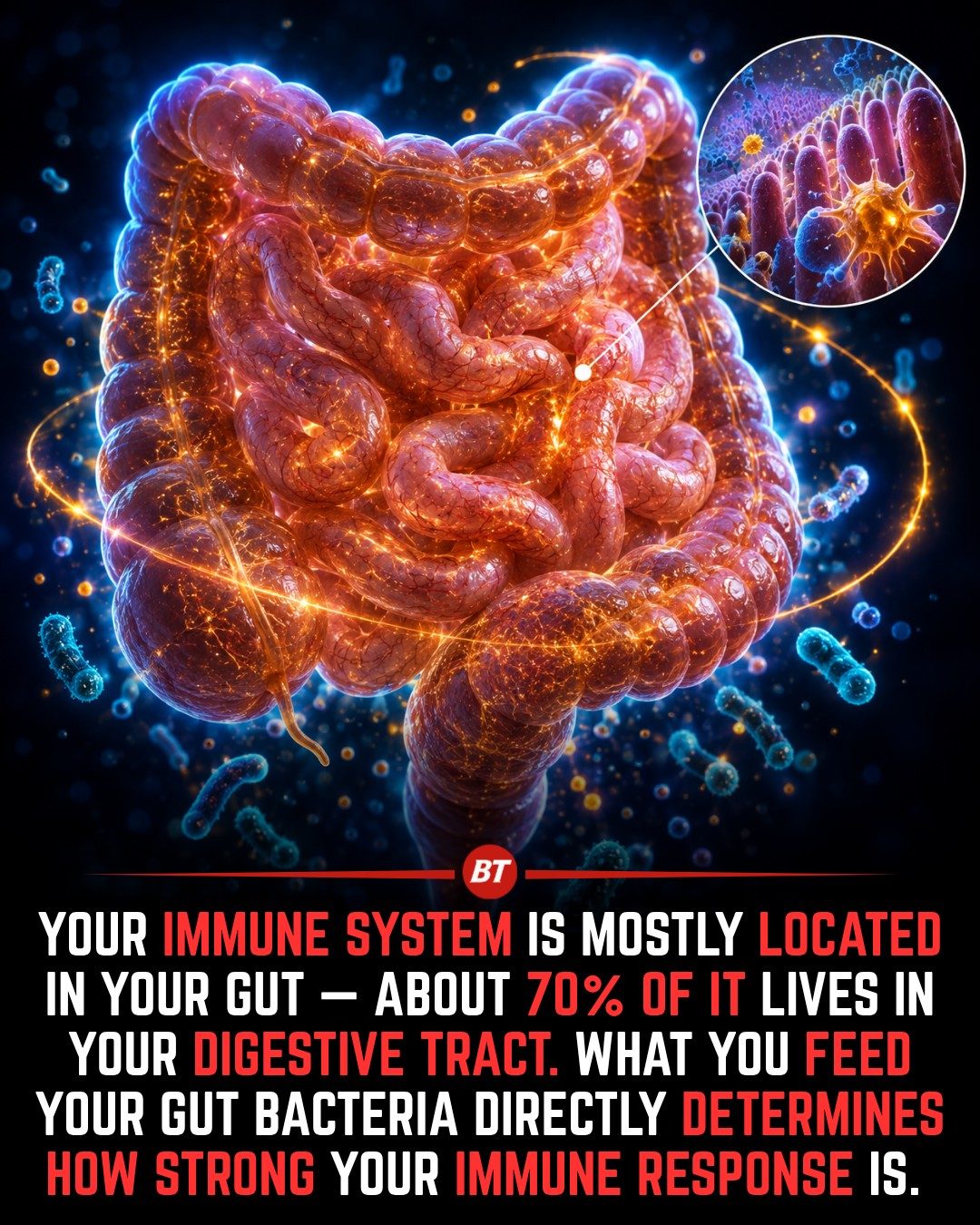
Gut Bacteria and Immune System
The gut microbiome, a vast community of bacteria residing in the intestines, plays a crucial role in regulating the immune system. Around 70% of your immune system is located in and around your digestive tract, making every meal you eat a direct influence on your body's immune defenses. Here's a deeper dive into the relationship between gut bacteria and immune function, as well as practical tips on nourishing your gut microbiota.
Context / Why This Matters
The health of your gut microbiome can significantly impact your overall well-being. A healthy and diverse gut microbiome helps strengthen the intestinal barrier, which acts as a first line of defense against harmful invaders. By feeding the beneficial bacteria in your gut, you can support a balanced immune response and improve your body's ability to distinguish between harmful and harmless substances.
Main Discussion
The Gut Microbiome and Immune Function
The gut microbiome consists of trillions of microbes that communicate with immune cells lining the gut. These interactions are essential for maintaining immune homeostasis and responding to infections. When the gut microbiome is healthy and diverse, it helps:
- Strengthen the intestinal barrier
- Regulate immune activity
- Distinguish between harmful and harmless substances
The Role of Diet in Shaping the Gut Microbiome
Diet is a major factor in shaping the gut microbiome and influencing immune response. The foods you consume directly impact the composition and function of gut bacteria. Here's how different types of foods affect the gut microbiome:
Fiber-Rich Foods
Fiber-rich foods, such as vegetables, fruits, beans, whole grains, nuts, and seeds, nourish beneficial bacteria in the gut. As gut bacteria ferment fiber, they produce short-chain fatty acids like butyrate. These fatty acids:
- Nourish the cells lining the colon
- Strengthen the gut barrier
- Regulate immune activity
Fermented Foods
Fermented foods, such as yogurt, kefir, kimchi, sauerkraut, miso, and traditionally fermented pickles, provide live microorganisms that support microbial diversity. These foods:
- Contain probiotics, which are live bacteria and yeasts beneficial to the digestive system
- Help maintain a healthy balance of gut bacteria
- Enhance the immune system's ability to fight infections
Practical Tips
To support a healthy gut microbiome and strengthen your immune system, incorporate the following tips into your daily routine:
Aim for a Variety of Plant Foods
Consuming a diverse range of plant foods ensures that your gut bacteria receive a wide variety of nutrients. Aim for 25–30 different plant foods each week, including:
- Fruits
- Vegetables
- Whole grains
- Legumes
- Nuts
- Seeds
Plant-based diets rich in fiber have been linked to a healthier gut microbiome and a more balanced immune response.
Include Fermented Foods in Your Diet
Incorporate fermented foods into your daily meals to support microbial diversity and immune function. Some fermented foods to consider include:
- Yogurt
- Kefir
- Kimchi
- Sauerkraut
- Miso
- Traditionally fermented pickles
Stay Hydrated
Proper hydration is essential for maintaining a healthy gut microbiome. Drink plenty of water throughout the day to support your digestive system and overall health.
Limit Processed Foods and Sugars
Processed foods and added sugars can disrupt the balance of gut bacteria and negatively impact immune function. Limit your intake of these foods to promote a healthy gut microbiome.
Manage Stress
Chronic stress can negatively affect the gut microbiome and immune system. Practice stress management techniques, such as meditation, yoga, or deep breathing exercises, to support your overall well-being.
Get Regular Exercise
Regular physical activity can positively influence the gut microbiome and immune function. Aim for at least 30 minutes of moderate exercise most days of the week.
Important Takeaways
- The gut microbiome plays a crucial role in regulating immune function.
- Diet significantly impacts the composition and function of gut bacteria.
- Fiber-rich and fermented foods nourish beneficial bacteria and support immune health.
- Including a variety of plant foods in your diet can promote a healthy gut microbiome.
Conclusion
Understanding the connection between gut bacteria and the immune system is essential for supporting overall health. By nourishing your gut microbiome with a diverse range of plant foods, fermented foods, and maintaining a healthy lifestyle, you can strengthen your immune system and improve your body's ability to fight infections.
Watch the Reel
Questions readers ask
How does my diet affect my gut bacteria and immune health?
Your diet plays a significant role in shaping your gut microbiome. Consuming a balanced, fiber-rich diet promotes the growth of beneficial gut bacteria, which in turn supports a healthy immune system. Conversely, a diet high in processed foods and sugars can negatively impact gut bacteria and weaken your immune defenses.
Which foods should I eat to boost my gut bacteria?
To nourish your gut bacteria, focus on consuming a variety of fiber-rich foods such as fruits, vegetables, whole grains, and legumes. Additionally, fermented foods like yogurt, kefir, sauerkraut, and kimchi contain probiotics that can help increase the number of beneficial gut bacteria.
How does the gut microbiome influence the immune system?
The gut microbiome interacts with the immune system in several ways. It helps strengthen the intestinal barrier, which prevents harmful substances from entering the body. Additionally, gut bacteria produce metabolites that communicate with immune cells, regulating immune responses and promoting overall immune health.
Can specific foods help improve my immune health?
Yes, certain foods can help boost your immune health by promoting a healthy gut microbiome. Foods rich in prebiotics, such as bananas, onions, and garlic, feed beneficial gut bacteria. Similarly, foods high in antioxidants, like berries and leafy greens, can help reduce inflammation and support immune function.
What are some practical tips for maintaining a healthy gut microbiome?
Maintaining a healthy gut microbiome involves eating a balanced diet, staying hydrated, and managing stress. Include a variety of fiber-rich foods in your meals, limit processed foods, and consider incorporating fermented foods and probiotic supplements into your diet. Regular exercise can also contribute to a healthy gut.
How can fermented foods benefit my gut health and immune system?
Fermented foods are rich in probiotics, which are live microorganisms that can help restore and maintain a healthy balance of gut bacteria. By consuming fermented foods, you can enhance your body's natural defenses and promote better digestive health, ultimately bolstering your immune system.
Why is it important to have a diverse range of gut bacteria?
A diverse range of gut bacteria is essential for overall health. It enhances the gut's ability to absorb nutrients, strengthen the intestinal barrier and improve immune function. A varied diet rich in different plant-based foods can help promote this diversity, ensuring a wide range of beneficial bacteria thrive in your gut.
Related deep dives
Similar reads based on topic and creator.




Recent articles
Fresh deep dives from the latest Reels we unpacked.




Comments
Be the first to comment.