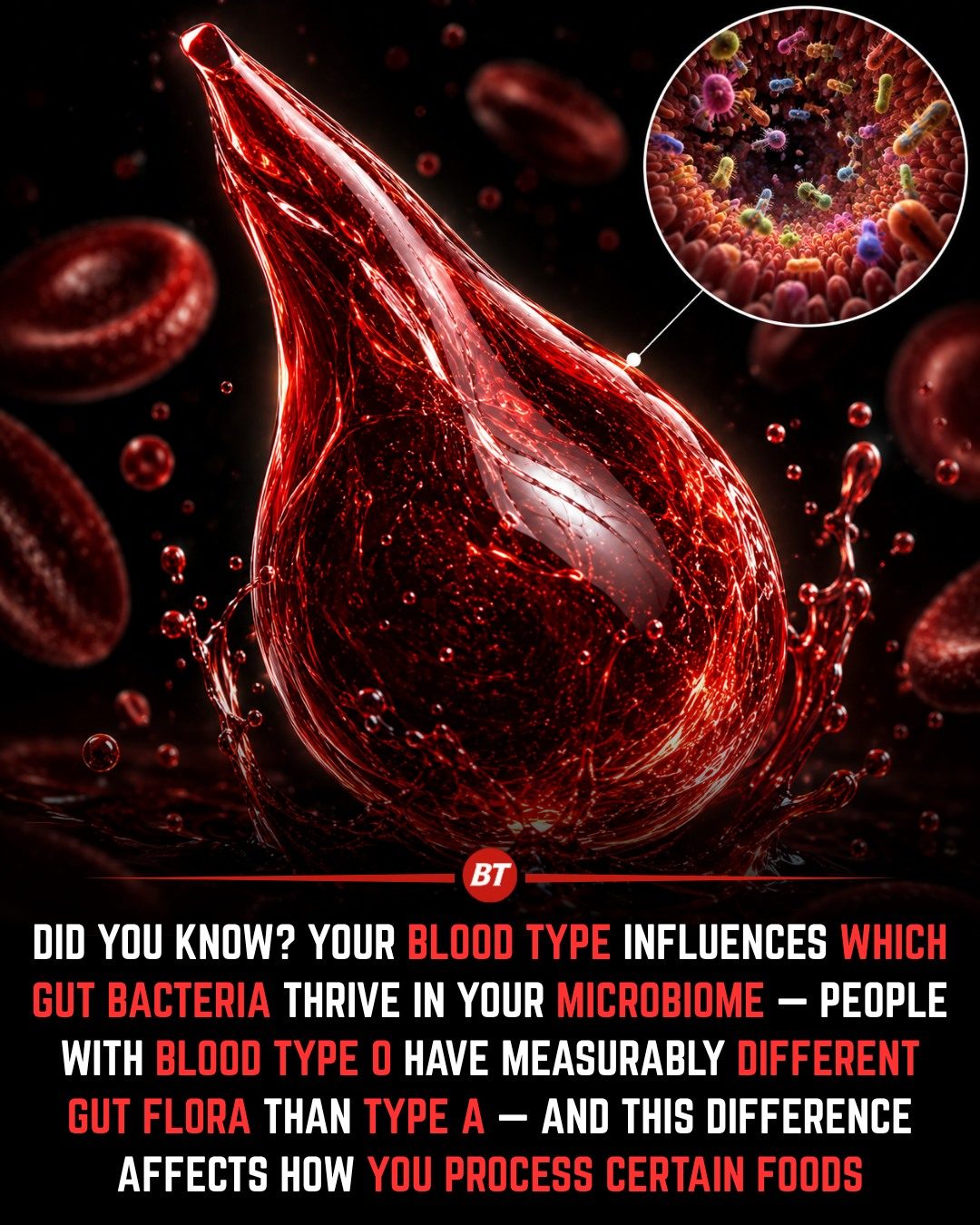
Blood Type and Gut Microbiome
Your blood type can influence the types of bacteria that thrive in your gut, a fascinating intersection of genetics and gut health. This connection is not just about blood compatibility; it involves the natural sugar molecules, or glycans, found on the lining of your digestive tract. These glycans act as docking sites and food sources for certain microbes, shaping the composition of your gut microbiota.
How Blood Type Influences the Gut
Your ABO blood type has an impact on the glycans lining your digestive tract. This, in turn, affects which bacterial species are more likely to thrive in your gut. People with different blood types can have measurably different gut microbiomes. For instance, individuals with blood type O often have distinct gut flora compared to those with type A. This difference can impact how you process certain foods. This means blood type can be a factor in your body's ability to digest and absorb nutrients.
However, it's essential to understand that blood type is just one of many factors influencing the gut microbiome. Other significant factors include diet, medications, age, genetics, sleep, exercise, and overall lifestyle. Together, these elements shape the health and diversity of your gut bacteria.
Blood Type and Diet
The influence of blood type on the gut microbiome has sparked interest in the "blood type diet," which suggests that people should eat differently based on their blood type. However, large scientific reviews have found no convincing evidence to support this diet. While blood type can influence the composition of your gut microbiota, it's not a sole determinant of your microbiome's health or your overall dietary needs.
Factors Shaping Your Microbiome
Your gut microbiome is a complex ecosystem influenced by various factors, as mentioned before. Let's delve deeper into some of the key factors that shape your gut microbiota:
Diet
Diet is one of the most significant factors influencing your gut microbiome. What you eat can either support or disrupt the balance of your gut bacteria. A diet rich in fiber, found in plant foods, promotes the growth of beneficial bacteria. On the other hand, a diet high in ultra-processed foods can lead to an imbalance in your gut microbiota, potentially contributing to various health issues.
Medications
Certain medications can alter your gut microbiome. Antibiotics, for instance, can kill both harmful and beneficial bacteria, disrupting the balance of your gut flora. Proton pump inhibitors, used to treat heartburn and acid reflux, can also affect the composition of your gut bacteria. Always consult with a healthcare provider before starting any new medication, and discuss any concerns about potential side effects on your gut health.
Age and Genetics
As you age, your gut microbiome changes, reflecting the accumulated effects of your diet, lifestyle, and overall health. Genetics can also play a role in shaping your gut microbiota. Some people may be genetically predisposed to specific gut bacteria, which can influence their risk of developing certain health conditions.
Lifestyle
Your lifestyle choices, such as sleep, exercise, and stress management, can significantly impact your gut microbiome. Regular physical activity, for example, has been shown to promote the growth of beneficial gut bacteria. Chronic stress, on the other hand, can disrupt the balance of your gut flora, potentially contributing to digestive issues and other health problems.
Sleep
Quality sleep is essential for maintaining a healthy gut microbiome. During sleep, your body produces hormones that help regulate your gut bacteria. Chronic sleep deprivation can disrupt this process, leading to an imbalance in your gut flora and potentially contributing to various health issues, including obesity, diabetes, and cardiovascular disease.
Exercise
Regular physical activity can promote the growth of beneficial gut bacteria and reduce inflammation in the gut. Exercise has been shown to increase the diversity of gut bacteria, which is associated with better overall health. Aim for at least 150 minutes of moderate-intensity or 75 minutes of vigorous-intensity physical activity per week, along with strength training activities at least 2 days a week.
Stress Management
Chronic stress can disrupt the balance of your gut microbiome, potentially leading to digestive issues and other health problems. Practicing stress management techniques, such as mindfulness, meditation, yoga, and deep breathing exercises, can help you maintain a healthy gut microbiome.
Practical Tips for a Healthy Gut
While your blood type may influence your gut microbiome, focusing on overall gut health is more beneficial. Here are some practical tips to support a healthy gut:
Eat a Variety of Plant Foods
Aim for 30 different plant foods each week, including fruits, vegetables, legumes, whole grains, herbs, nuts, and seeds. Greater dietary diversity has consistently been linked to a healthier, more resilient gut microbiome. This variety ensures that you get a broad range of nutrients and fiber, which are essential for maintaining a healthy gut.
Limit Ultra-Processed Foods
Ultra-processed foods are often high in sugar, unhealthy fats, and additives, and low in fiber. These foods can disrupt the balance of your gut microbiota, potentially contributing to various health issues. Instead, opt for whole, nutrient-dense foods that support a healthy microbiome.
Include Fermented Foods
Fermented foods, such as yogurt, kefir, sauerkraut, and kimchi, contain beneficial bacteria that can help maintain a healthy gut. Incorporating these foods into your diet can support your gut microbiome and contribute to overall health.
Stay Hydrated
Drinking enough water is essential for maintaining a healthy gut. Water helps to move food through your digestive system and supports the growth of beneficial gut bacteria. Aim for at least 8 glasses of water per day, and adjust based on your activity level and climate.
Prioritize Gut-Supporting Lifestyle Habits
Regular exercise, adequate sleep, and effective stress management are all essential for maintaining a healthy gut. Incorporating these habits into your daily routine can support your gut microbiome and contribute to overall health.
Consider a Probiotic or Prebiotic Supplement
If you're struggling to maintain a healthy gut, consider taking a probiotic or prebiotic supplement. Probiotics contain beneficial bacteria that can help restore balance to your gut microbiome, while prebiotics provide the fiber needed to feed and support these bacteria. Always consult with a healthcare provider before starting any new supplement regimen.
Important Takeaways
The connection between blood type and gut microbiome highlights the intricate relationship between our genes and our gut health. While blood type can influence the types of bacteria that thrive in your gut, it's just one of many factors at play. Diet, medications, age, genetics, sleep, exercise, and lifestyle all contribute to the health and diversity of your gut bacteria.
Understanding this interplay can help you make more informed decisions about your diet and lifestyle, ultimately supporting a healthier gut microbiome. However, it's essential to focus on overall gut health rather than relying solely on your blood type.
Conclusion
The relationship between blood type and gut microbiome is a fascinating area of study, offering insights into the complex interplay between our genes and gut health. By understanding these connections, you can make more informed decisions about your diet and lifestyle, ultimately supporting a healthier gut microbiome.
To maintain a healthy gut, focus on eating a variety of plant foods, limiting ultra-processed foods, staying hydrated, and prioritizing gut-supporting lifestyle habits. By incorporating these practices into your daily routine, you can promote a healthier, more resilient gut microbiome, which is essential for overall health and well-being.
Watch the Reel
Questions readers ask
How does blood type determine the types of bacteria in the gut?
Blood type influences the types of glycans that line your digestive tract. These glycans serve as docking sites and food sources for specific bacteria, thereby shaping the composition of your gut microbiota.
Can blood type affect how well I digest certain foods?
Yes, your blood type can influence how efficiently you process certain foods. The glycans lining your digestive tract, which are determined by your blood type, can impact the types of gut bacteria present, which in turn can affect your food digestion.
Does blood type O have a unique gut microbiome?
People with blood type O often have a distinct gut flora. This is because the glycans in their digestive tract foster different types of bacteria compared to other blood types, which can lead to a unique microbial composition.
How does blood type impact the health benefits of certain foods?
The bacteria in your gut, which are influenced by your blood type, can affect how your body processes and benefits from the nutrients in foods. For instance, certain bacterial species might enhance the absorption of specific nutrients, depending on your blood type.
Can knowing my blood type help me make better dietary choices?
Understanding your blood type can provide insights into your gut microbiome and how it interacts with food. This knowledge can guide you in choosing foods that may be better suited to your unique gut bacteria composition, potentially enhancing your overall health and well-being.
Related deep dives
Similar reads based on topic and creator.




Recent articles
Fresh deep dives from the latest Reels we unpacked.




Comments
Be the first to comment.