The Political Dynamics of U.S. Aid to Israel
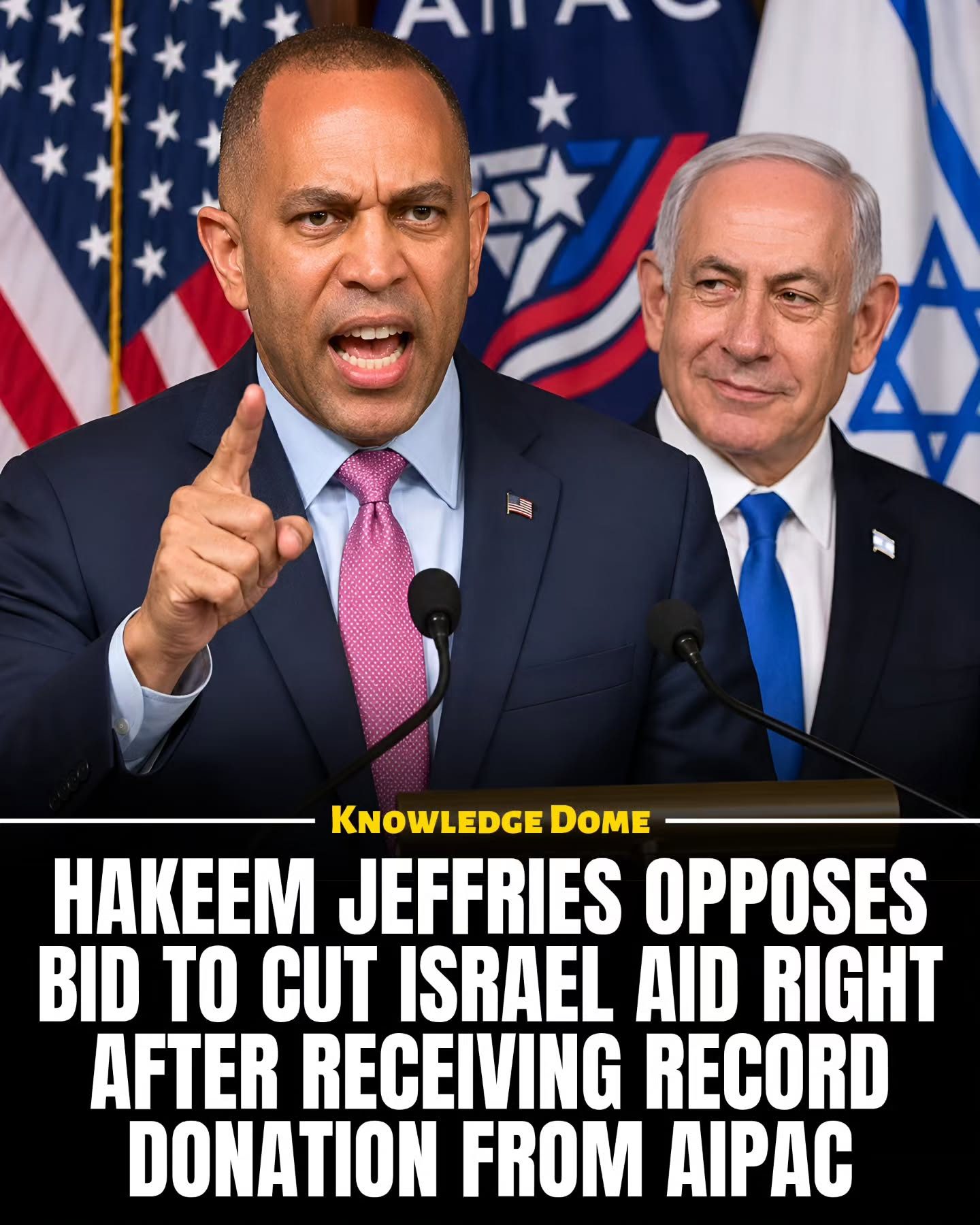
House Minority Leader Hakeem Jeffries' recent opposition to an amendment that aimed to cut $3.3 billion in U.S. military aid to Israel has sparked significant political attention. The amendment, proposed by Republican Thomas Massie and Democrat Ro Khanna, faced strong resistance from Jeffries, who argued that the proposed cuts were too broad and could inadvertently impact crucial areas such as humanitarian aid, refugee resettlement, and peace-building initiatives. These concerns underscored the complexity of U.S. foreign policy and the delicate balance between military support and humanitarian efforts.
Context / Why This Matters
U.S. aid to Israel has long been a contentious issue, reflecting broader debates within the Democratic Party and the wider political landscape. The recent controversy highlights the intricate web of political influences, financial contributions, and strategic considerations that shape U.S. foreign policy. Understanding the nuances of this debate is essential for grasping the current state of U.S.-Israel relations and the internal dynamics of U.S. politics.
The Amendment and the Opposition
The proposed amendment, aimed at reducing military aid to Israel, was meticulously scrutinized by House Democrats. Jeffries, citing the potential unintended consequences of the cuts, emphasized that the amendment could complicate U.S. efforts to address threats from groups like Hamas and Hezbollah. His stance was influenced by the belief that broad cuts could disrupt not only military operations but also essential humanitarian and diplomatic efforts.
The Role of AIPAC
The timing of Jeffries' opposition became a focal point when federal records revealed that the American Israel Public Affairs Committee (AIPAC) had made significant financial contributions to his campaign. AIPAC's Political Action Committee (PAC) sent two earmarked payments totaling $149,300 to Jeffries' Battleground Protection Fund. These payments, listed as an earmark from billionaire investor Daniel Och, were made on May 20, 2026. Prior to this, Jeffries had already received $250,000 from AIPAC's PAC. This financial support raised questions about the influence of lobbying groups on political decisions and the broader implications for U.S. foreign policy.
The Vote and Its Implications
When the House voted on the amendment on July 15, 2026, it failed with a vote of 104 to 314. Jeffries' opposition, while influential, did not result in a party-wide directive. Instead, he allowed Democrats to vote according to their conscience, reflecting the diverse perspectives within the party on the issue of aid to Israel. This vote highlighted the deep divisions among Democrats, with some supporting Jeffries' position and others advocating for reduced or modified aid to Israel.
Practical Tips for Understanding Political Influences
Navigating the complexities of political decisions, especially those involving foreign aid, requires a nuanced understanding of the underlying factors. Here are some practical tips for gaining a clearer perspective:
-
Research Financial Contributions: Look into the financial contributions made by lobbying groups and political action committees. These contributions often reveal the broader interests at play.
-
Examine the Language of Proposals: Pay close attention to the specifics of legislative proposals. Broad language can have unintended consequences, as Jeffries pointed out.
-
Consider Strategic Implications: Understand the strategic implications of any proposed cuts or changes. How will they affect not only military operations but also humanitarian and diplomatic efforts?
-
Follow the Debate: Keep track of the debates and discussions within political parties. Internal disagreements can provide valuable insights into the broader political landscape.
-
Monitor Public Statements: Public statements by key figures, such as Jeffries, can offer insights into their motivations and the broader context of their decisions.
Important Takeaways
- Financial Influence: The role of financial contributions from groups like AIPAC in shaping political decisions cannot be overlooked.
- Strategic Considerations: Broad cuts to military aid can have unintended consequences, affecting humanitarian and diplomatic efforts.
- Democratic Divisions: The vote underscored the deep divisions within the Democratic Party regarding U.S. aid to Israel.
- Nuanced Understanding: Political decisions, especially those involving foreign aid, require a nuanced understanding of the underlying factors and strategic considerations.
Conclusion
House Minority Leader Hakeem Jeffries' opposition to the amendment to cut U.S. military aid to Israel highlights the political complexities and strategic considerations involved in U.S. foreign policy. The influence of financial contributions, the potential unintended consequences of broad cuts, and the deep divisions within the Democratic Party all play crucial roles in shaping political decisions. Understanding these dynamics is essential for gaining a clearer perspective on the current state of U.S. politics and its impact on foreign policy.
Watch the Reel
Questions readers ask
What was the specific amendment that Hakeem Jeffries opposed regarding Israel aid?
House Minority Leader Hakeem Jeffries opposed an amendment proposed by Representatives Thomas Massie and Ro Khanna. This amendment sought to cut $3.3 billion from U.S. military aid to Israel, which Jeffries found too extensive and potentially harmful to essential programs like humanitarian aid and peace-building initiatives.
How has AIPAC's influence been highlighted in the context of Jeffries' stance on Israel aid?
AIPAC's significant financial contributions to political campaigns have come under scrutiny. This is because Hakeem Jeffries' opposition to the aid cut aligns with AIPAC's pro-Israel stance, raising questions about the influence of such contributions on political decisions related to U.S. foreign policy.
What are the key points of Jeffries' argument against the proposed aid cut?
Jeffries argued that the proposed $3.3 billion cut was too broad and could inadvertently affect crucial areas such as humanitarian aid, refugee resettlement, and peace-building initiatives. He emphasized the importance of maintaining a balanced approach to U.S. support for Israel, ensuring that military aid does not compromise these vital efforts.
How has the debate over U.S. aid to Israel reflected broader political dynamics?
The debate has highlighted the complex interplay of political influences and strategic considerations in shaping U.S. policy toward Israel. It has also underscored the delicate balance between providing military support and ensuring that humanitarian and peace-building efforts are not undermined.
What is the significance of the proposed aid cut in the context of U.S.-Israel relations?
The proposed aid cut, if enacted, would be significant as it amounts to a noticeable reduction in U.S. military support. This would impact how the U.S. navigates its strategic and humanitarian objectives in Israel, potentially reshaping the broader dynamics of U.S.-Israel relations and policy directives for the future.
How have Democrats, including Jeffries, generally approached the issue of Israel aid?
Democrats, including Jeffries, have generally supported maintaining U.S. aid to Israel, but with a focus on ensuring that it aligns with broader strategic and humanitarian goals. This approach aims to balance military support with efforts to promote peace and stability in the region, reflecting a nuanced view of U.S. foreign policy towards Israel.
What are some of the concerns raised by opponents of the aid cut, such as Jeffries?
Opponents of the aid cut, like Jeffries, have expressed concerns that a significant reduction in military aid could destabilize the region. They argue that such a move could negatively impact human rights and humanitarian efforts within Israel and the broader Middle East, potentially leading to increased conflict and instability.
Related deep dives
Similar reads based on topic and creator.

Recent articles
Fresh deep dives from the latest Reels we unpacked.




Comments
Be the first to comment.