Female Health and Wellness: A Holistic Approach
Women’s health is a multifaceted aspect of wellness that encompasses nutrition, habits, and overall lifestyle. Building a strong foundation for women’s health involves a combination of nutrient-dense foods, balanced supplementation, and consistent daily habits. These elements work together to support hormonal balance, energy levels, and overall well-being.
Context / Why This Matters
Maintaining hormonal balance is critical for women's health. Hormones play a significant role in various bodily functions, including menstrual cycles, metabolism, mood, and energy levels. Achieving and maintaining this balance can help prevent a variety of health issues and promote a healthier, more balanced life. By incorporating specific foods, supplements, and healthy habits into your daily routine, you can support your body through every phase of your cycle.
Main Discussion
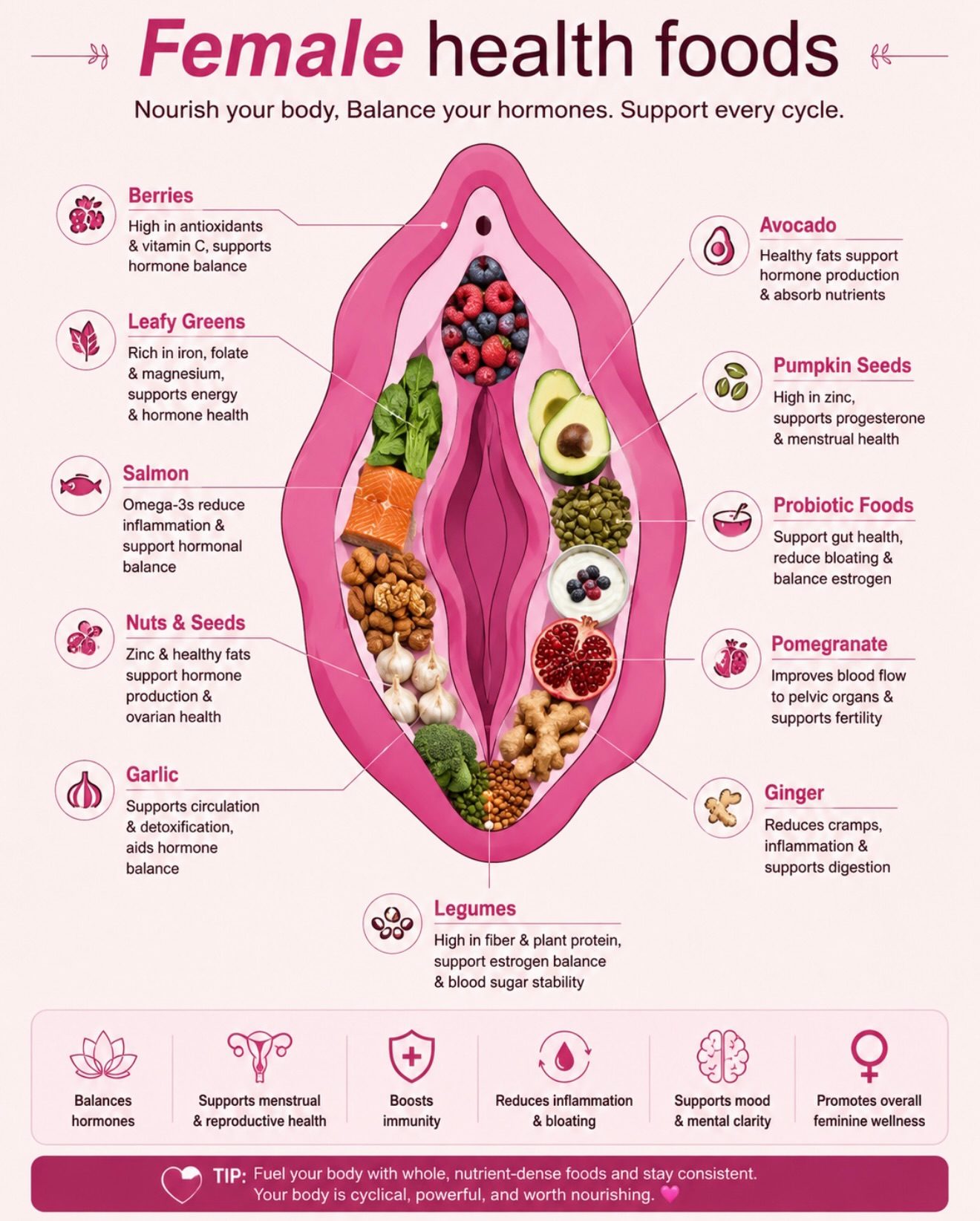
Female Health Foods
Certain foods are particularly beneficial for supporting hormonal balance and overall wellness. These foods provide essential nutrients that aid in energy production, hormone regulation, and overall well-being.
Berries and Nuts
Berries and nuts are rich in antioxidants, fiber, and healthy fats. Foods like berries and nuts and seeds are excellent sources of vitamins and minerals that support energy levels and hormonal balance. Berries, in particular, are high in antioxidants, which help reduce inflammation and support hormonal balance. Nuts and seeds provide essential fatty acids, which are crucial for hormone production and regulation.
Salmon and Omega-3s
Salmon is a rich source of omega-3 fatty acids, which are known for their anti-inflammatory properties. Omega-3s not only reduce inflammation but also support hormonal balance by aiding in the production of hormones. Including salmon in your diet can help maintain overall well-being and support menstrual and reproductive health.
Probiotic Foods
Probiotic foods, such as pomegranate, ginger, and garlic, are beneficial for gut health and hormonal balance. These foods support circulation and detoxification, which are essential for overall health. Ginger and garlic, in particular, are known for their anti-inflammatory properties and their ability to aid in detoxification, which can support hormonal balance.
Legumes
Legumes are a great source of plant-based protein and fiber, which are essential for maintaining hormonal balance. They support menstrual and reproductive health by providing the necessary nutrients for hormone regulation. Legumes are also rich in various vitamins and minerals that aid in overall well-being.
Female Health Supplements
While a balanced diet is the foundation of good health, supplements can play a supportive role by filling nutritional gaps. Certain supplements are particularly beneficial for supporting hormonal balance, energy levels, and overall wellness.
Magnesium
Magnesium is an essential mineral that plays a crucial role in various bodily functions, including hormone regulation. It helps support energy production, mood, and overall well-being. Supplementing with magnesium can help fill nutritional gaps and support hormonal balance.
Vitamin D3
Vitamin D3 is essential for bone health, immune function, and hormone regulation. It helps support energy levels and overall well-being. Vitamin D3 can be obtained through sunlight exposure or supplementation, making it a versatile addition to any wellness routine.
Probiotics
Probiotics support gut health, which is closely linked to hormonal balance. They aid in digestion and nutrient absorption, which are essential for overall well-being. Probiotics can be obtained through supplement or by consuming probiotic-rich foods like yogurt, kefir, and fermented vegetables.
Iron and Ashwagandha
Iron is crucial for energy production and oxygen transport in the body. It supports overall well-being and helps prevent fatigue and weakness. Ashwagandha is an ancient herb known for its adaptogenic properties, which help the body manage stress and support hormonal balance. These supplements can be particularly beneficial for women who experience heavy menstrual bleeding or stress-related hormone imbalances.
Female Health Habits
Incorporating healthy habits into your daily routine is essential for supporting hormonal balance and overall wellness. These habits work together to create a strong foundation for women’s health.
Morning Sunlight and Strength Training
Exposure to morning sunlight helps regulate your body's internal clock and supports hormonal balance. Strength training builds muscle and supports overall health by increasing metabolism and improving body composition. Both practices support energy levels and overall well-being.
Hydration and Stress Management
Staying hydrated is crucial for maintaining hormonal balance and overall health. Drinking enough water supports digestion, nutrient absorption, and detoxification. Stress management techniques, such as mindfulness and deep breathing, help regulate cortisol levels and support emotional well-being.
Pelvic Floor Training
Pelvic floor training is essential for supporting reproductive health and overall well-being. It helps strengthen the muscles that support the uterus, bladder, and bowels, which can prevent issues such as incontinence and pelvic organ prolapse. Incorporating pelvic floor exercises into your daily routine can support hormonal balance and overall health.
Balanced Nutrition
Eating a balanced diet rich in nutrient-dense foods is essential for supporting hormonal balance and overall well-being. Foods like berries, leafy greens, avocado, pumpkin seeds, salmon, legumes, ginger, and probiotic-rich foods provide the nutrients needed to support energy levels, hormone function, recovery, mood, and overall well-being.
Workit App
The Workit App offers a comprehensive platform for tracking workouts, earning rewards, and promoting healthy eating habits. It provides a convenient way to stay consistent with your fitness and wellness goals. The app helps you track your workouts, daily movement, hydration, and nutrition, all in one place. By incorporating the Workit App into your wellness routine, you can support your body through every phase of your cycle and promote long-term health and well-being.
Practical Tips
When it comes to female health and wellness, consistency is key. Here are some practical tips to help you incorporate beneficial foods, supplements, and habits into your daily routine:
-
Plan Your Meals: Incorporate a variety of nutrient-dense foods into your meals, including berries, nuts, salmon, and legumes. Meal planning can help ensure you get a balanced diet and support hormonal balance.
-
Stay Hydrated: Drink plenty of water throughout the day to support digestion, nutrient absorption, and detoxification. Aim for at least 8 glasses of water daily.
-
Track Your Progress: Use an app like the Workit App to track your workouts, hydration, and nutrition. Tracking your progress can help you stay motivated and consistent with your wellness goals.
-
Prioritize Sleep: Quality sleep is essential for hormonal balance and overall well-being. Aim for 7-9 hours of sleep per night and maintain a consistent sleep schedule.
-
Manage Stress: Practice stress management techniques such as mindfulness, deep breathing, or yoga to support emotional well-being and hormonal balance.
-
Supplement Wisely: Consider taking supplements to fill nutritional gaps. Magnesium, vitamin D3, and probiotics are particularly beneficial for supporting hormonal balance and overall well-being.
-
Stay Active: Incorporate regular exercise into your routine, including strength training and daily movement. This can help support energy levels, metabolism, and overall well-being.
Important Takeaways
-
Balanced Nutrition and Supplements: Foods and supplements are essential for supporting hormonal balance. A balanced diet rich in nutrient-dense foods, along with targeted supplements, can help fill nutritional gaps and support overall wellness.
-
Consistent Healthy Habits: Incorporating daily habits, such as morning sunlight exposure, strength training, hydration, stress management, and pelvic floor training, supports hormonal balance and overall well-being.
-
Cyclic Health: Supporting your body through every phase of your cycle is crucial for hormonal balance and well-being. The foundation of women’s health is built through the small things you do every day.
Conclusion
Women’s health is a multifaceted journey that involves incorporating nutrient-dense foods, beneficial supplements, and consistent healthy habits into your daily routine. By prioritizing balanced nutrition, consistent habits, and targeted supplementation, you can support your body through every phase of your cycle and promote long-term health and well-being. Embrace the journey of nourishing your body, balancing your hormones, and supporting your overall well-being.
Watch the Reel
Questions readers ask
What are some key foods for promoting hormonal balance in women?
Foods rich in omega-3 fatty acids, such as fatty fish and flaxseeds, are excellent for hormonal balance. Additionally, cruciferous vegetables like broccoli and cabbage can support liver function, which aids in hormone regulation. Foods high in phytoestrogens, like soy and legumes, can also mimic estrogen in the body, helping to balance hormone levels.
Which supplements are commonly recommended for supporting hormonal balance?
Some widely recommended supplements for hormonal balance include magnesium, which supports relaxation and sleep; vitamin D, which aids in hormone regulation and immune function; and omega-3 fatty acids, which reduce inflammation and support overall hormonal health. Always consult a healthcare provider before starting any new supplement regimen.
How does stress impact hormonal balance in women?
Chronic stress can lead to elevated cortisol levels, which in turn can disrupt the balance of other hormones, such as estrogen and progesterone. This imbalance can result in various issues, including irregular menstrual cycles, mood swings, and fatigue. Managing stress through activities like meditation, yoga, or deep breathing exercises can help mitigate these effects.
Why is hydration important for maintaining hormonal balance?
Proper hydration is crucial for hormonal balance as it helps in the efficient transport of hormones throughout the body. Dehydration can lead to increased cortisol levels, which can disrupt other hormones. Aim to drink at least 8 glasses of water daily to support overall hormonal health.
What are some effective workout routines for promoting hormonal balance?
Regular exercise is beneficial for hormonal balance. Low-impact activities like swimming, cycling, and yoga can help reduce stress and inflammation. High-intensity interval training (HIIT) and resistance training can also boost metabolism and improve insulin sensitivity, further supporting hormonal health.
What are some daily habits that can help balance hormones naturally?
Consistent sleep patterns, regular exercise, and a balanced diet are fundamental habits for natural hormonal balance. Additionally, managing stress through mindfulness practices, limiting exposure to endocrine disruptors like certain chemicals in plastics, and maintaining a healthy weight can all contribute to overall hormonal health.
How can a female hormonal balance guide assist in achieving better well-being?
A comprehensive guide can provide tailored advice on nutrition, supplementation, and lifestyle practices to support hormonal balance. It can offer meal plans, exercise routines, and stress management techniques specific to individual needs, helping to create a personalized roadmap for achieving better overall well-being.
Recent articles
Fresh deep dives from the latest Reels we unpacked.




Comments
Be the first to comment.