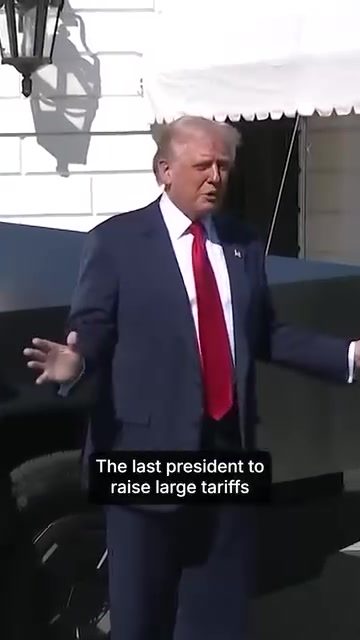
Tariffs, Recessions, and Opportunities: Lessons from the Past
Tariffs and economic policies have long been a topic of debate, and history has shown us that sometimes the most well-intentioned policies can have disastrous consequences. The 1930s saw large tariffs and mass deportations under President Herbert Hoover, policies aimed at protecting American workers and reducing foreign competition. Despite these efforts, these policies backfired, exacerbating the economic downturn and turning what started as a recession into the Great Depression, leaving more than 25% of Americans unemployed.
Context: Why This Matters
Economic crises, such as the Great Depression, have taught us valuable lessons about the impact of trade policies and financial strategies. While the government's role in economic regulation is crucial, individual financial strategies during economic downturns can also make a significant difference. Understanding the strategies that worked in the past can provide insights into how to navigate future economic challenges.
The Impact of Tariffs
The Great Depression
During the 1930s, the U.S. economy faced a severe crisis. In an attempt to protect American workers, President Herbert Hoover implemented large tariffs and oversaw a mass deportation of migrants. These policies were intended to reduce foreign competition and put America first. However, the effects were devastating. Trade was severely disrupted, the economy was further damaged, and the recession spiraled into one of the worst economic crises in history.
The Great Depression was marked by unprecedented levels of unemployment. At its peak, over 25% of Americans were out of work. The economic policies of the time, including protectionist tariffs, played a significant role in prolonging and deepening the crisis. Today, these lessons from history serve as a cautionary tale for policymakers and investors alike.
Modern Parallels
Even today, similar policies are being considered and implemented. For instance, President Trump’s approach to tariffs and immigration has drawn parallels to Hoover's strategies. Like Hoover, Trump has cited the need to protect American workers and reduce foreign competition. However, economists and historians have warned that these policies could have similar unintended consequences, leading to economic instability and potential recessions.
Navigating Economic Downturns
Even amidst economic turmoil, there are opportunities for those who are prepared. Recessions can destroy fortunes, but they can also create them. One notable example is Floyd Odlum, who started with just $39,000 in 1923 and grew it to over $100 million by the end of the Great Depression. His strategy was straightforward yet effective.
Holding onto Cash
When the market crashes, having cash on hand can be a lifesaver. While others were loading up on debt, Odlum held onto his cash. This allowed him to take advantage of opportunities that arose during the downturn.
Investing in Recession-Proof Businesses
Odlum focused on acquiring businesses that had steady cash flow and strong assets. These businesses continued to generate income even during the toughest times. By investing in companies that were essential and resilient, he ensured a steady stream of revenue.
Buying at Low Prices
With the cash flow from his stable investments, Odlum was able to buy more companies at low prices. He capitalized on the market conditions to acquire undervalued assets, which he later watched grow in value over the years. This strategy allowed him to build a substantial fortune despite the economic challenges of the time.
Practical Tips
Prepare for the Worst
Economic downturns are unpredictable, but being prepared can make a significant difference. Ensure you have a financial cushion that can carry you through tough times. This could include an emergency fund, low-risk investments, or other forms of liquid assets.
Diversify Your Portfolio
Investing in a variety of assets can help mitigate the risks associated with economic downturns. Diversification ensures that even if some investments perform poorly, others may perform well, maintaining the overall value of your portfolio.
Focus on Recession-Proof Assets
When planning for a recession, focus on assets that are likely to remain stable or even appreciate in value. Essential services, healthcare, and utilities are often seen as recession-proof sectors. These businesses tend to maintain steady cash flow and are less affected by economic downturns.
Important Takeaways
Economic history shows us that tariffs and protectionist policies, while intended to protect domestic industries, can often lead to unintended consequences. The Great Depression is a stark reminder of the potential risks associated with such policies.
Invest Wisely
Diversification and holding onto cash during economic downturns are key strategies that can help you navigate through tough times. By following a disciplined approach to investing, you can turn economic challenges into opportunities for growth.
Learn from the Past
History has a way of repeating itself, and understanding the lessons from the past can provide valuable insights into the present and future. The Great Depression, while a grim chapter in history, offers valuable lessons on financial resilience and the importance of prudent economic policies.
Conclusion
Tariffs and economic policies play a crucial role in shaping the economic landscape. Understanding the impact of historical policies, such as those implemented during the Great Depression, can provide valuable insights for policymakers and investors today. By learning from the past and applying practical strategies, we can better navigate the challenges posed by economic downturns and capitalize on opportunities for growth.
Watch the Reel
Questions readers ask
How did Hoover's tariffs aim to help the American economy during the 1930s recession?
Hoover's tariffs were designed to shield American jobs from foreign competition by raising the cost of imported goods. This measure was intended to encourage domestic consumption of American-made products, thereby stimulating the economy and reducing unemployment.
What was the primary goal of Hoover's economic policies during the Great Depression?
The primary goal of Hoover's economic policies was to protect American industries and workers by implementing high tariffs and other protectionist measures. These policies were designed to reduce competition from foreign goods and support domestic production.
How did Hoover's tariffs impact the global trade environment in the 1930s?
Hoover's tariffs significantly disrupted global trade by making it more expensive for other countries to export goods to the United States. This led to retaliatory tariffs from other nations, further reducing international trade and exacerbating the economic downturn.
What were the unintended consequences of Hoover's protectionist policies on the American economy?
Despite aiming to protect American jobs, Hoover's high tariffs had severe unintended consequences. They led to a significant decrease in global trade, which in turn reduced American exports and worsened the economic downturn, leaving a quarter of Americans unemployed.
Why is the impact of Hoover's tariffs considered a lesson in economic policy?
The impact of Hoover's tariffs serves as a cautionary tale about the potential pitfalls of protectionist policies. It highlights how measures intended to safeguard domestic industries can backfire and have far-reaching negative effects on the global economy.
How did other countries respond to Hoover's tariffs during the Great Depression?
Other countries responded to Hoover's tariffs with their own protectionist measures, such as imposing retaliatory tariffs. This tit-for-tat approach escalated tensions and further disrupted global trade, contributing to the severity and duration of the Great Depression.
What role did Hoover's tariffs play in the transition from a recession to the Great Depression?
Hoover's tariffs accelerated the transition from a recession to the Great Depression by severely disrupting international trade. The resulting decline in global commerce worsened the economic crisis, leading to widespread unemployment and prolonged economic hardship.
Related deep dives
Similar reads based on topic and creator.


Recent articles
Fresh deep dives from the latest Reels we unpacked.




Comments
Be the first to comment.