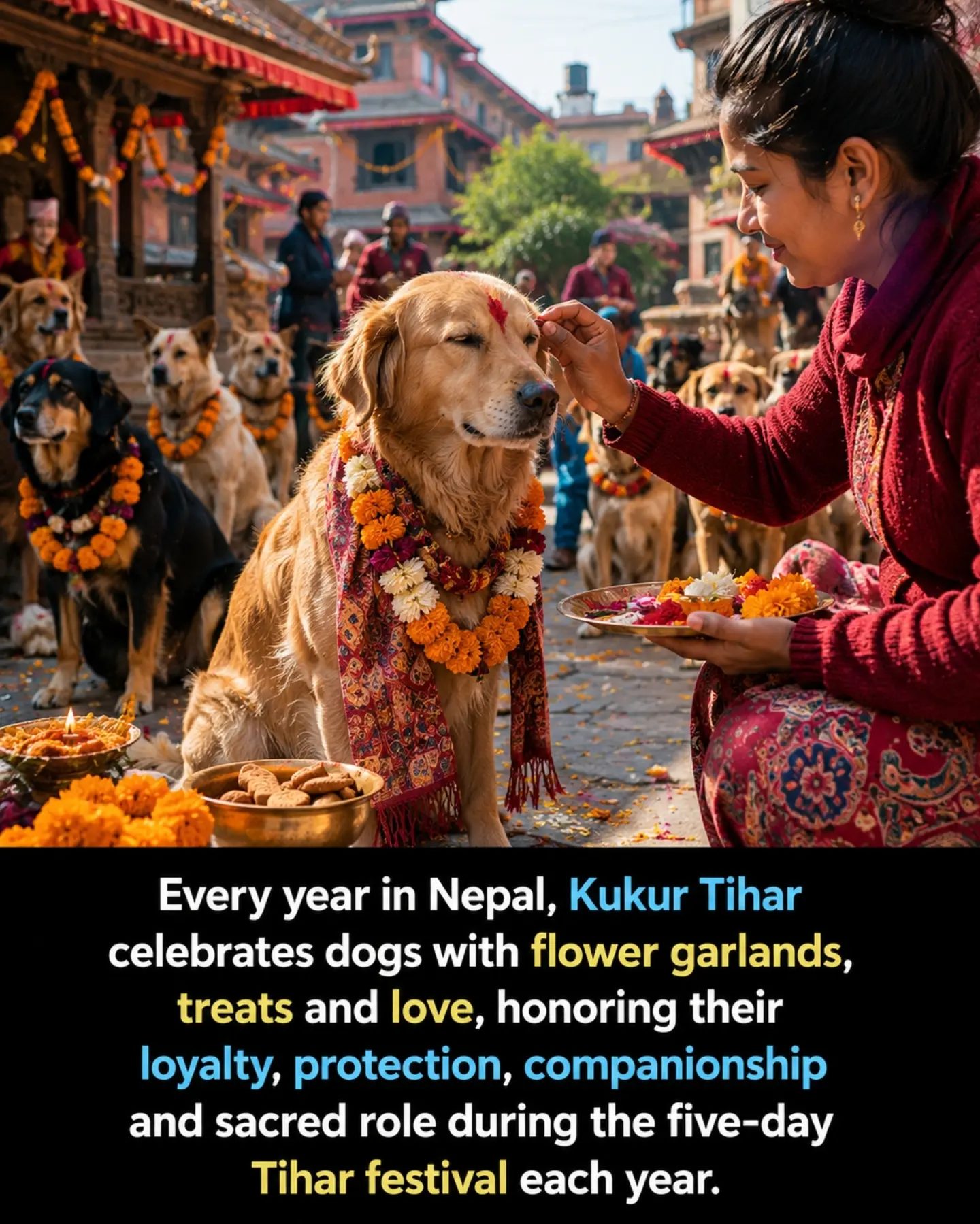
Kukur Tihar Festival in Nepal
Kukur Tihar, a cherished tradition in Nepal, is a vibrant five-day festival dedicated to celebrating dogs. This festival is part of the larger Tihar festival and holds a sacred and deeply meaningful role in the cultural fabric of Nepal.
Context / Why this matters
Nepal is renowned for its rich cultural heritage, and festivals are a significant part of this heritage. Tihar, also known as the festival of lights, is celebrated over five days, with each day dedicated to honoring different animals and deity influences. Kukur Tihar is the second day of this festival, solely dedicated to honoring dogs.
Main discussion
The Significance of Dogs in Nepalese Culture
Dogs hold a special place in Nepalese culture, symbolizing loyalty, protection, and companionship. They are often considered guardians of homes and families. Kukur Tihar is a testament to this reverence, where dogs are celebrated with flower garlands, treats, and heartfelt affection.
During the festival, dogs are adorned with flower garlands — a tradition that embodies the warmth and love they receive from their human families. This practice not only highlights the cultural respect for dogs but also underscores the importance of their role within the community. The garlands, made from vibrant flowers, add a festive touch to the otherwise routine lives of these beloved pets.
The Rituals and Celebrations
The celebration of Kukur Tihar involves several rituals that bring families together. On this day, dogs are treated with special meals and are showered with love and care. The morning begins with a ritual called "Tika," where a red mark is applied to the dog's forehead, signifying blessings. This ritual is performed by the family's eldest member, symbolizing the respect and honor that the family holds for their canine companions.
In addition to the "Tika," dogs are offered garlands and treats. These treats, known as "prasad," are often made from sweets and special foods prepared at home. The act of giving these treats is considered an offering to the deity that resides in the dog, reinforcing the sacred bond between humans and dogs.
The Cultural and Religious Aspects
Kukur Tihar is more than just a celebration; it is deeply rooted in religious beliefs and traditions. In Hindu mythology, dogs are believed to be the guardians of the underworld and are associated with the god of death, Yama. By honoring dogs, people aim to seek blessings and protection from evil spirits.
The festival also resonates with the cultural ethos of Nepal, where animals are often respected and treated with kindness. It is a celebration of the bond between humans and animals, and it serves as a reminder of the mutual respect and care that should exist between different species.
The Community Aspect
Kukur Tihar is not just a family event; it is a community affair. Families come together to celebrate, and it is common to see streets filled with people adorned with colorful garlands and decorations. The festive atmosphere is palpable, with music, dance, and laughter filling the air. This communal spirit fosters a sense of unity and camaraderie among the people.
The festival also provides an opportunity for people to engage in philanthropic activities. Many families take the initiative to feed stray dogs and ensure that they are also part of the celebration. These acts of kindness reflect the broader cultural values of compassion and inclusivity.
The Role of Women in the Festival
The visual depictions of Kukur Tihar often show women playing a significant role in the celebrations. Women are seen adorning dogs with garlands and offering them treats. This highlights the nurturing role that women play in the community and their responsibility for maintaining the family's sacred bonds with their canine companions.
Women also play a crucial role in the preparation of special meals and treats for the dogs. They take pride in making sure that the animals are well-fed and cared for during the festival. This tradition not only showcases the importance of women in the family but also underscores their role in upholding cultural values.
Practical tips
To fully embrace and participate in Kukur Tihar, consider the following tips:
Prepare traditional treats for your dogs, such as prasad, which are sweet treats specially made for the occasion. Adorn your dog with a vibrant flower garland. Engage with your community and participate in the festive rituals. Take some time to feed and care for stray dogs in your neighborhood.
Important takeaways
Kukur Tihar is a celebration that underscores the deep cultural and religious significance of dogs in Nepalese society. It is a time to honor and appreciate the loyalty, protection, and companionship that dogs offer. This festival not only brings families together but also fosters a sense of community and shared responsibility towards animals. By participating in Kukur Tihar, people reaffirm their commitment to the sacred bond between humans and dogs, and they celebrate the values of compassion, unity, and respect.
Conclusion
Kukur Tihar is more than just a festival; it is a celebration of the profound bond between humans and their canine companions. It is a time to reflect on the importance of animals in our lives and to honor them with love and respect. Through this festival, Nepalese culture shines a light on the values of loyalty, protection, and companionship, reminding us of the deep connection that exists between different species.
Watch the Reel
Questions readers ask
What is the significance of dogs in Nepalese culture, particularly during Kukur Tihar?
Dogs in Nepalese culture are revered for their loyalty, protection, and companionship. During Kukur Tihar, these qualities are celebrated and honored, making dogs an integral part of the festival's traditions. The festival underscores the deep respect and affection Nepalese people hold for these animals, highlighting the sense of community and interconnectedness that is central to their values.
What are the key activities and rituals associated with Kukur Tihar?
During Kukur Tihar, dogs are adorned with flower garlands, offered special meals, and blessed with a red mark on their foreheads known as a 'tika.' These rituals signify the deep respect and affection people have for dogs. The festival also includes feeding stray dogs and ensuring they are cared for, reflecting the community's commitment to animal welfare.
Why is Kukur Tihar celebrated as part of the Tihar festival?
Kukur Tihar is the second day of the five-day Tihar festival in Nepal, also known as the festival of lights. Each day of Tihar is dedicated to honoring different deities and animals, with Kukur Tihar specifically set aside to celebrate and honor dogs. This placement underscores the importance of dogs within the broader context of Nepalese cultural traditions and beliefs.
What role do dogs play in the broader cultural context of Nepal?
Dogs in Nepal are seen as protectors of homes and families, symbolic of loyalty and devotion. Their role extends beyond mere companionship, as they are often invoked in cultural practices and rituals. This cultural significance is deeply embedded in the daily lives of Nepalese people, making dogs a vital part of their cultural identity.
How does the community engage in Kukur Tihar celebrations?
Throughout Nepal, communities come together to celebrate Kukur Tihar by feeding dogs, offering them special treats, and ensuring they are well-cared for. This collective effort fosters a sense of unity and shared responsibility towards animal welfare. The festival serves as a reminder of the bond between humans and animals, encouraging empathy and kindness towards all creatures.
What is the significance of the red mark (tika) placed on dogs' foreheads during Kukur Tihar?
The red mark, or tika, placed on a dog's forehead during Kukur Tihar is a sacred symbol of blessing and protection. It signifies the deep respect and affection that Nepalese people hold for dogs, acknowledging their role as loyal companions and protectors. This ritual is a tangible expression of the cultural significance of dogs in Nepalese society.
How do Nepalese people honor stray dogs during Kukur Tihar?
During Kukur Tihar, Nepalese people actively seek out and care for stray dogs, ensuring they are fed and treated with kindness. This practice reflects the community's commitment to animal welfare and the belief that all dogs, regardless of their circumstances, deserve respect and care. This tradition underscores the broader cultural values of compassion and community care.
Related deep dives
Similar reads based on topic and creator.



Recent articles
Fresh deep dives from the latest Reels we unpacked.




Comments
Be the first to comment.