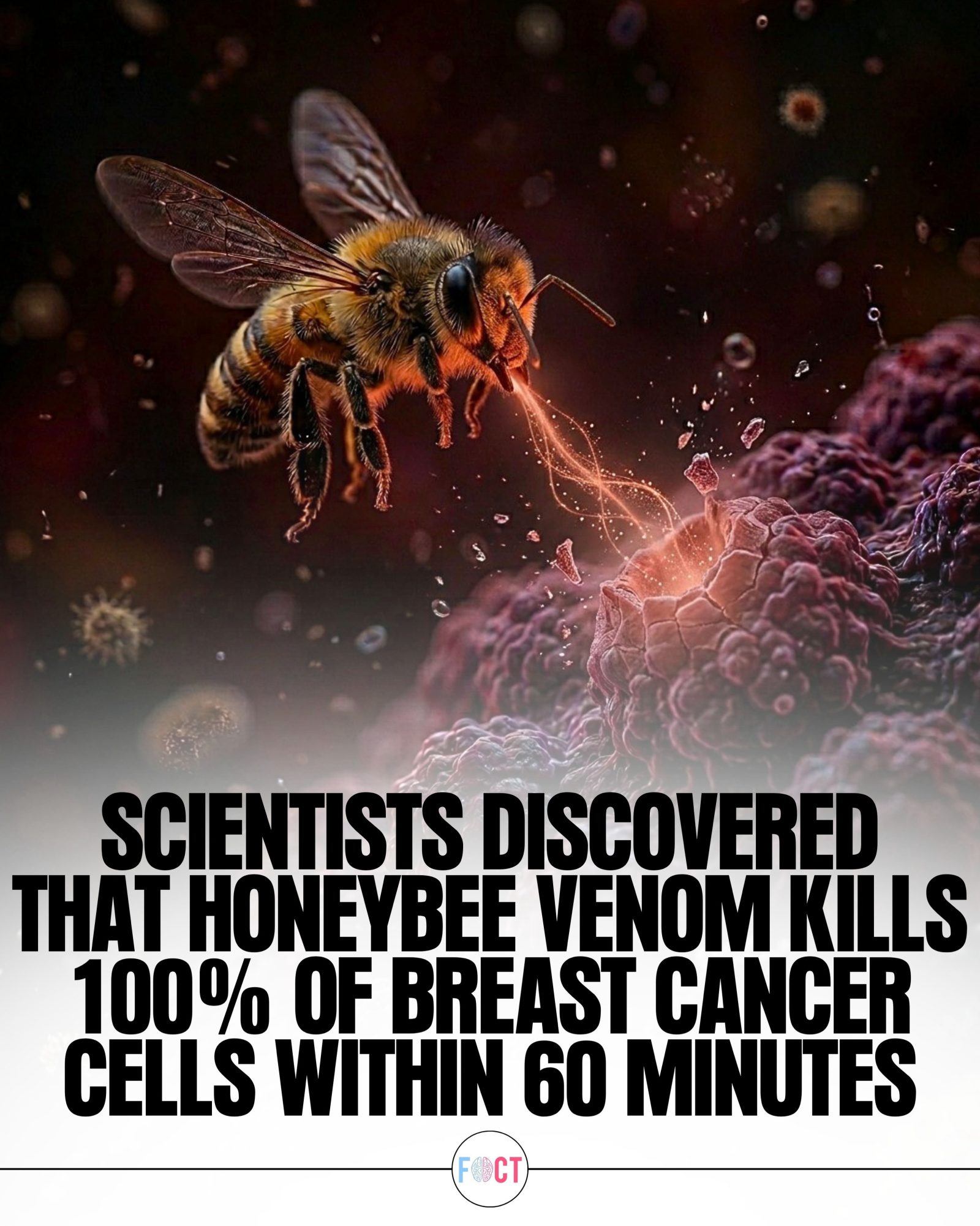
Medical Claim - Honeybee Venom and Breast Cancer
Scientists have uncovered promising findings about the potential of honeybee venom in combating certain types of breast cancer. Specifically, research has shown that compounds within honeybee venom can rapidly destroy breast cancer cells in lab settings.
Context / Why this matters
The discovery revolves around melittin, a peptide found in the venom of Western honey bees. This peptide has demonstrated the ability to break down cancer cell membranes and disrupt growth signals, particularly in aggressive cancer subtypes like triple-negative breast cancer. Given the challenges associated with treating these aggressive forms of breast cancer, this finding holds significant promise for future therapeutic developments.
Main discussion
The Power of Melittin
Melittin is a peptide that plays a crucial role in the venom of Western honey bees. Research has revealed that melittin can effectively breach cancer cell membranes, leading to their destruction. This process is particularly effective against aggressive breast cancer cells, including triple-negative breast cancer, which is notoriously difficult to treat due to its lack of hormone receptors.
Early-Stage Research
It is important to note that the current findings are based on early-stage research, primarily conducted through lab and preclinical studies. These studies have not yet progressed to human trials. Therefore, while the results are promising, more research is needed to fully understand the potential and limitations of using honeybee venom as a therapeutic agent.
Delivery and Safety
One of the key challenges in translating these lab findings into clinical treatments is the development of a safe and effective delivery method. Scientists are currently exploring ways to harness the power of melittin without causing harm to healthy cells. This involves refining the delivery mechanism to ensure that the venom targets cancer cells specifically, minimizing any potential side effects.
The Role of Lab Studies
Lab studies have provided valuable insights into the potential of honeybee venom. These studies have shown that the venom can effectively kill 100% of breast cancer cells within 60 minutes. Nevertheless, it is crucial to understand that these results are preliminary and require further validation through clinical trials.
Practical tips
For those interested in staying informed about the latest developments in cancer research, it is essential to stay updated with reputable scientific journals and reports. Engaging with reliable sources can provide a clearer picture of the progress being made in this field. Additionally, supporting organizations that fund cancer research can contribute to advancing these discoveries.
Important takeaways
While the discovery of honeybee venom's potential in treating breast cancer is exciting, it is essential to approach this information with caution. The research is still in its early stages, and much more work is needed before any clinical applications can be developed. Future studies will focus on refining the delivery methods and ensuring the safety of this therapeutic approach.
Conclusion
The potential of honeybee venom in treating certain types of breast cancer is a fascinating area of research. While the current findings are promising, it is crucial to remember that this is still early-stage research. The journey from lab studies to clinical treatments is long and complex, requiring meticulous attention to detail and safety. However, the progress made so far offers a glimpse into the innovative approaches that scientists are exploring to combat aggressive cancers.
Watch the Reel
Questions readers ask
What is melittin and how does it affect breast cancer cells?
Melittin is a peptide found in honeybee venom. It has been shown to break down the membranes of breast cancer cells, leading to rapid cell death. This effect is particularly notable in aggressive breast cancer types, such as triple-negative breast cancer, which are often resistant to conventional treatments.
How does honeybee venom induce rapid cancer cell death?
Honeybee venom contains compounds, including melittin, that can disrupt the integrity of cancer cell membranes. This disruption causes the cells to break down quickly, leading to rapid cell death. This process has been observed in lab settings, showing promise for potential cancer treatments.
What types of breast cancer does honeybee venom potentially target?
Research indicates that honeybee venom, particularly the melittin peptide, is most effective against aggressive breast cancer subtypes. These include triple-negative breast cancer, which is known for its rapid growth and resistance to many standard therapies.
Are there any challenges in using honeybee venom for breast cancer treatment?
While the potential of honeybee venom in fighting breast cancer is promising, developing a safe and effective delivery method for clinical use is a key challenge. Researchers are working on ways to harness the benefits of melittin while minimizing the risks associated with venom toxicity.
What makes honeybee venom a promising area of study for cancer research?
Honeybee venom's ability to rapidly break down cancer cell membranes and disrupt growth signals makes it an intriguing subject for cancer research. The natural compounds in the venom, particularly melittin, offer a new avenue for developing innovative therapies, especially for hard-to-treat cancer types.
How does honeybee venom research contribute to breast cancer therapy development?
Research on honeybee venom provides insights into new mechanisms for targeting and destroying cancer cells. By understanding how melittin and other venom compounds work, scientists can develop more targeted and effective therapies for breast cancer, potentially improving outcomes for patients with aggressive cancer subtypes.
What are the next steps in studying honeybee venom for breast cancer treatment?
The next steps involve further lab research to understand the precise mechanisms of action and to develop safe and effective delivery systems. Clinical trials will also be necessary to test the safety and efficacy of honeybee venom-based treatments in human patients, ensuring that any potential therapies are both effective and safe for use.
Recent articles
Fresh deep dives from the latest Reels we unpacked.




Comments
Be the first to comment.