Bee Pollen Transport
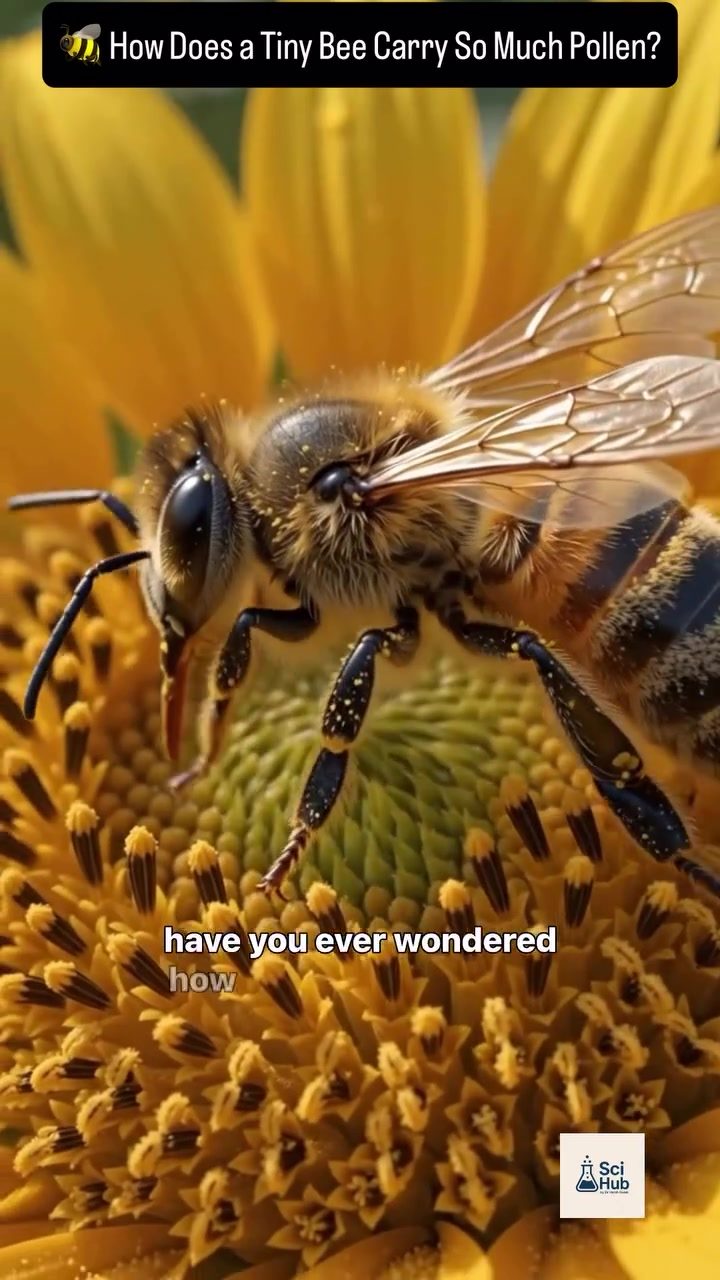
Honeybees are known for their diligent work in pollinating plants, but have you ever noticed the tiny yellow balls on their legs? These aren't honey—they're pollen. The process by which bees carry pollen back to their hives is a fascinating example of nature's efficiency. Let's explore how these tiny insects manage to transport such a significant amount of pollen.
Why This Matters
Bees play a crucial role in our ecosystem. They are responsible for pollinating a wide variety of plants, which in turn produce many of the fruits, vegetables, and flowers we enjoy. Understanding how bees transport pollen not only sheds light on their behavior but also highlights the importance of these insects in maintaining biodiversity.
Pollen Collection
The journey of pollen transport begins when a bee visits a flower. As the bee moves from flower to flower, thousands of tiny pollen grains stick to the fine hairs covering its body. This initial collection is passive; the bee doesn't actively gather the pollen immediately. Instead, it uses specialized pollen combs on its legs to brush the pollen from its body and gather it toward its hind legs.
Preparing the Pollen
Once the pollen is gathered, the bee doesn't carry it immediately. The process involves several steps to ensure the pollen is compact and easy to transport. First, the bee adds a tiny drop of nectar and saliva to the loose pollen. This mixture makes the pollen sticky, allowing the bee to press thousands of pollen grains into a compact pellet. This pellet is then packed into a special structure called the corbicula, or pollen basket, located on the hind legs of the bee.
Transporting the Pollen
Each worker bee can carry one pollen pellet on each hind leg. These pellets are then transported back to the hive, where they are placed into honeycomb cells. Other worker bees mix the pollen with nectar and enzymes to produce protein-rich food that nourishes the colony and helps young bees grow. This process ensures that the colony has a steady supply of nutritious food.
Nectar vs. Pollen
It's important to note that while pollen is transported on the hind legs, nectar is stored inside a special honey stomach. This separation allows the bee to efficiently manage both substances, ensuring that the colony has both food and the building blocks for new bees.
Main Discussion
The Role of Specialized Structures
The efficiency of pollen transport in bees is largely due to their specialized anatomical features. The pollen baskets, or corbiculae, are specially adapted structures on the hind legs that allow bees to carry large amounts of pollen. These baskets are equipped with stiff hairs and a smooth, concave surface that helps keep the pollen compact and secure during transport.
The Importance of Pollination
Pollen transport is not just about feeding the colony; it's also about reproduction. As bees move from flower to flower, some pollen inevitably falls off, aiding in the pollination process. This cross-pollination is essential for the reproduction of many plants, including fruits, vegetables, and flowering plants. Without bees, many of these plants would struggle to reproduce, leading to potential declines in biodiversity. Plant reproduction is essential for the sustainability of many ecosystems.
The Efficiency of Bee's Transport System
Nature has designed bees with a perfect transport system for pollen. The combination of specialized body hairs, pollen combs, and the corbiculae makes the process highly efficient. Bees are not only collecting food for their colony but also playing a vital role in the ecosystem.
Practical Tips
Supporting Bee Populations
Given the critical role bees play in our ecosystem, it's important to support their populations. Here are a few practical tips:
- Plant Bee-Friendly Flowers: Choose flowers that are rich in pollen and nectar. These can include lavender, sunflowers, and bee balm.
- Provide Nesting Sites: Bees need places to build their nests. Consider installing bee houses or leaving some areas of your garden undisturbed.
- Avoid Pesticides: Pesticides can be harmful to bees. Opt for natural pest control methods or choose plants that are naturally resistant to pests.
Observing Bees
If you're interested in learning more about bees, consider observing them in your garden or a local park. Here are some tips for safe and respectful observation:
- Stay Quiet and Still: Bees are sensitive to movement and noise. Standing still and quiet will allow you to observe them without disturbing their activities.
- Use Binoculars: A pair of binoculars can help you get a closer look at the bees without getting too close.
- Take Notes: Keep a journal of your observations. Note the types of flowers the bees are visiting, the time of day, and any other interesting behaviors you notice.
Important Takeaways
- Bees transport pollen using specialized structures on their hind legs called corbiculae or pollen baskets.
- The process involves brushing pollen from the body, mixing it with nectar and saliva, and forming it into a compact pellet.
- Pollen is a crucial food source for the colony and plays a vital role in plant reproduction through pollination.
- Supporting bee populations is essential for maintaining biodiversity and the health of our ecosystems.
Conclusion
The process by which bees transport pollen is a testament to nature's ingenuity. From the initial collection of pollen grains to the efficient transport back to the hive, every step is carefully designed to ensure the survival and health of the colony. Understanding this process not only deepens our appreciation for these tiny workers but also highlights the importance of supporting bee populations for the health of our ecosystems.
Watch the Reel
Questions readers ask
How do honeybees collect pollen from flowers?
Honeybees collect pollen by using their hind legs to brush against the anthers of flowers, causing pollen to stick to their legs. Special hairs on their legs, called pollen baskets, help to collect and hold the grains. A bee can collect thousands of grains in one trip to facilitate pollen transport back to the hive.
What is the purpose of the pollen that honeybees collect?
The pollen that honeybees collect serves two primary purposes. Firstly, it is a vital source of protein for the bee larvae. Secondly, it is essential for plant reproduction, as it carries the male gametes necessary for fertilization, supporting biodiversity in plant species.
How do honeybees compact pollen into pellets?
Honeybees use their legs to moisten and manipulate the collected pollen grains. They mix the pollen with a bit of honey and nectar, rolling it into a compact pellet. The bees then store these pellets in the pollen baskets on their hind legs for efficient transport back to the hive.
Why is the efficiency of honeybee pollen transport important for our ecosystem?
The efficiency of honeybee pollen transport is crucial because it directly impacts plant reproduction and biodiversity. By effectively pollinating a wide variety of plants, honeybees support the growth of fruits, vegetables, and flowers, ensuring a healthy and diverse ecosystem.
What role do honeybees play in maintaining plant biodiversity?
Honeybees play a pivotal role in maintaining plant biodiversity by facilitating the reproduction of many plant species. As they transport pollen from one flower to another, they help in the fertilization process, which is essential for the production of seeds and fruits.
How far can a honeybee travel with a full load of pollen?
A honeybee can travel several miles from the hive to collect pollen, and then return with a full load. On average, a honeybee can carry about half its body weight in pollen. This long-distance travel and efficient pollen transport contribute to the pollination of a wide range of plants across vast areas.
What happens to the pollen once it is transported back to the hive?
Once the pollen is transported back to the hive, it is unloaded and stored in honeycomb cells. The worker bees then mix the pollen with honey and nectar to create bee bread, a nutritious food source for the larvae. This process not only feeds the colony but also ensures the survival and productivity of the hive.
Related deep dives
Similar reads based on topic and creator.



Recent articles
Fresh deep dives from the latest Reels we unpacked.




Comments
Be the first to comment.