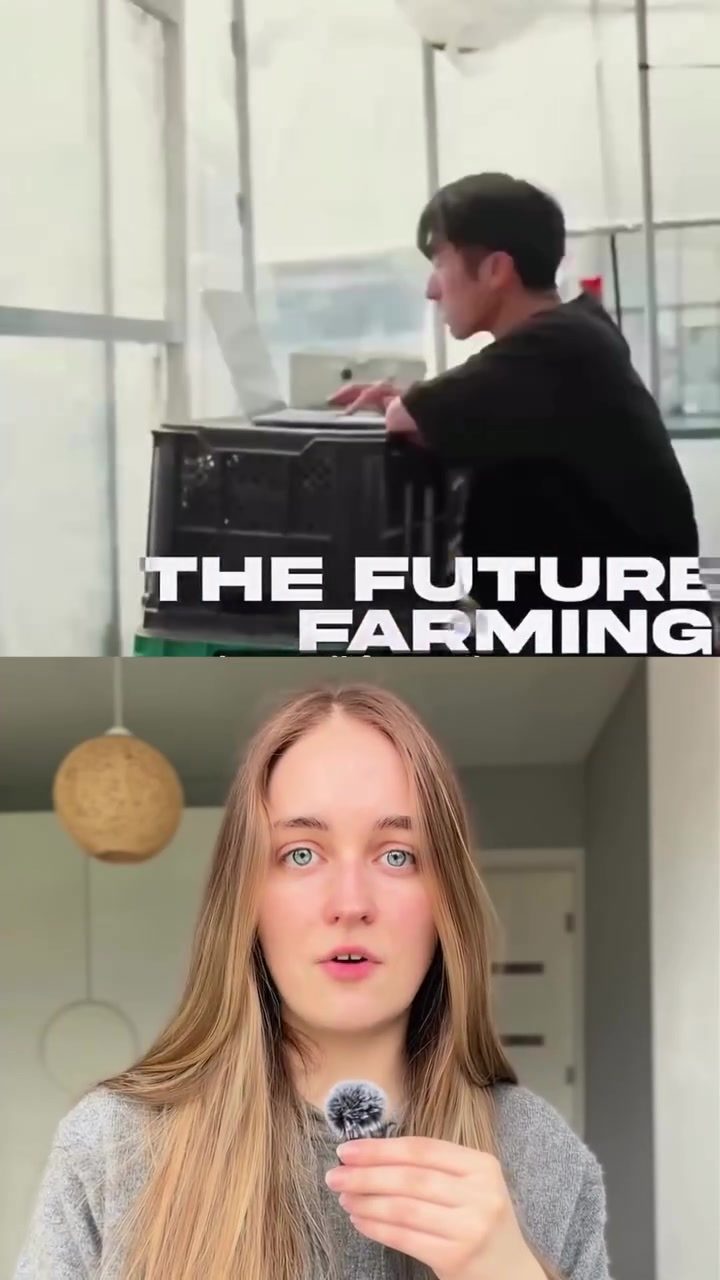
AI in Agriculture: How a Japanese Farmer Automated His Broccoli Farm
Hokkaido, Japan, is known for its expansive farmlands, and among the farmers is Hiroki Tamayasu, who has made a significant impact by integrating AI into his broccoli farm. What makes his story remarkable is his lack of formal training in driving tractors or growing vegetables. He single-handedly created an AI-driven system to automate his entire farm. His journey showcases the transformative power of AI in agriculture, making traditional farming methods more efficient and sustainable.
Context
The integration of AI in agriculture is not just a futuristic concept; it is already a reality. Tamayasu's story is a testament to how accessible AI tools can revolutionize traditional farming practices. He has demonstrated that with the right tools and ingenuity, even those without extensive agricultural training can significantly improve farming efficiency and productivity. His innovative approach serves as a blueprint for other farmers looking to leverage technology to optimize their operations.
AI Innovations on the Farm
Cost-Effective GPS Auto-Steer System
One of Tamayasu's notable innovations is the GPS auto-steer system for his tractor. Traditional self-driving tractors are prohibitively expensive, often putting them out of reach for many farmers. In response, Tamayasu built a cost-effective GPS auto-steer system that drives the tractor at a fraction of the cost. This system not only reduces labor costs but also ensures precision in farming operations, leading to better crop yields and resource management.
Automated Greenhouse Bots
Tamayasu has also developed automated greenhouse bots to manage plant logs and track the performance of different crops. These bots are powered by Chat GPT and Codex, which allow for seamless integration and real-time data analysis. By automating these processes, Tamayasu can focus on other critical aspects of farming, such as soil health and pest control, while ensuring that his greenhouse operations run smoothly.
Plant Tracking Software
The plant tracking software developed by Tamayasu is another game-changer. It uses AI to monitor plant health, growth patterns, and overall performance. This software helps in identifying which fields and crops perform best, enabling more informed decision-making. Farmers can use this data to optimize their planting schedules, irrigation, and fertilizer use, ultimately leading to better harvests and higher profits.
Satellite Crop Analysis
Satellite crop analysis is another technological marvel implemented by Tamayasu. By leveraging satellite imagery and AI, he can analyze crop health and performance across large areas of his farm. This allows for more precise and data-driven farming practices, ensuring that resources are allocated efficiently and that any issues are identified and addressed quickly.
The Role of Chat GPT and Codex
Chat GPT and Codex are integral to Tamayasu's AI-powered farming system. These tools enable him to build and manage complex software systems without prior coding knowledge. Chat GPT acts as a virtual engineer, providing Tamayasu with the technical support he needs to develop and refine his AI-driven solutions. Codex, on the other hand, helps in automating coding tasks, making the entire process more efficient and user-friendly.
The Power of Open Documentation
One of the most inspiring aspects of Tamayasu's work is his commitment to open documentation. He share every experiment, learning, and step-by-step tutorial on his website, providing a valuable resource for other farmers. This transparency and willingness to share knowledge can accelerate the adoption of AI in agriculture, benefiting farmers worldwide.
Practical Tips for Farmers
If you're a farmer looking to integrate AI into your operations, here are some practical tips based on Tamayasu's approach:
Start Small
Begin by identifying a specific area of your farm that could benefit from automation. For example, you could start with a cost-effective GPS auto-steer system for your tractor or a plant tracking software to monitor crop health.
Leverage Existing Tools
Utilize tools like Chat GPT and Codex, which can help you build and manage complex software systems without extensive coding knowledge. These tools can act as your virtual engineering team, providing the technical support you need to innovate.
Focus on Data
Use AI to collect, analyze, and interpret data from your farm. This data can provide valuable insights into crop performance, soil health, and resource management. By making data-driven decisions, you can optimize your farming practices and improve overall productivity.
Share Your Knowledge
Document your experiments, learnings, and successes. Sharing your knowledge can inspire other farmers and contribute to the broader adoption of AI in agriculture. Open documentation can also help create a supportive community where farmers can learn from each other and collaborate on innovative solutions.
Embrace a Continuous Learning Mindset
Tamayasu's journey highlights the importance of continuous learning and adaptation. Embrace new technologies and be open to experimenting with different tools and methods. This mindset can help you stay ahead of the curve and make the most of AI in your farming operations.
Important Takeaways
Hiroki Tamayasu's innovative use of AI in his broccoli farm in Hokkaido, Japan, underscores several key points:
AI is Accessible
AI tools like Chat GPT and Codex make it possible for anyone, regardless of their technical background, to develop advanced software solutions. This accessibility democratizes technology, enabling more people to benefit from its advantages.
Automation Enhances Efficiency
Automating various aspects of farming—from tractor operation to plant tracking and crop analysis—can significantly enhance efficiency, reduce labor costs, and improve overall productivity.
Data-Driven Farming
Data is a powerful resource in modern agriculture. AI-powered tools can collect and analyze vast amounts of data, providing actionable insights that can optimize farming practices and lead to better outcomes.
Open Documentation Inspires Innovation
Sharing knowledge and open documentation can foster a collaborative environment where farmers can learn from each other and innovate together. This not only benefits individual farmers but also contributes to the broader adoption of AI in agriculture.
Conclusion
Hiroki Tamayasu's journey is a beacon of innovation and possibility in the realm of agriculture. By leveraging AI tools, he has transformed his traditional broccoli farm into a model of efficiency and sustainability. His story serves as a powerful reminder that with the right tools and a proactive mindset, anyone can harness the power of technology to achieve remarkable results. Whether you're a seasoned farmer or just starting, Tamayasu's approach offers valuable insights and inspiration for integrating AI into your farming practices.
Watch the Reel
Questions readers ask
How did Hiroki Tamayasu implement AI in his broccoli farm?
Tamayasu developed an AI-driven system to automate his entire broccoli farm. This includes a GPS auto-steer system for precise navigation and automated greenhouse bots for efficient management of the farming environment.
What is the GPS auto-steer system and how does it benefit farming?
The GPS auto-steer system is an AI-powered tool that allows farming equipment to navigate fields accurately. This technology enhances efficiency by reducing human error, optimizing routes, and ensuring consistent performance, even in challenging weather conditions.
How do automated greenhouse bots contribute to broccoli farming?
Automated greenhouse bots streamline various tasks such as monitoring plant health, adjusting humidity and temperature, and managing irrigation. These bots ensure that the broccoli plants receive optimal care, leading to higher yield and better quality produce.
What kind of background does Hiroki Tamayasu have, and how did he learn to use AI in farming?
Hiroki Tamayasu did not have formal training in driving tractors or growing vegetables. His success was driven by a hands-on approach, self-learning and experimentation with AI tools, demonstrating that anyone with the right drive can adapt technology to enhance farming efficiency.
What are the key benefits of using AI in agriculture according to Tamayasu's example?
According to Tamayasu's example, AI in agriculture enhances efficiency and productivity. This can result in higher crop yields, reduced labor costs, and more sustainable farming practices. Additionally, it allows for precise control over farming processes, leading to improved overall management.
Can AI farming tools be used in various types of agriculture, or are they specific to broccoli farming?
The AI farming tools developed by Tamayasu, such as the GPS auto-steer system and automated greenhouse bots, can be adapted for various types of agriculture. These tools are designed to enhance efficiency and productivity, making them applicable to a wide range of crops and farming environments.
What challenges might a farmer face when transitioning to AI-powered farming tools?
Farmers might face initial challenges such as the cost of technology, the learning curve associated with new tools, and potential resistance to change. However, as demonstrated by Tamayasu, the long-term benefits of increased efficiency and productivity often outweigh these initial hurdles. Additionally, many AI farming tools are designed to be user-friendly, making the transition more manageable.
Related deep dives
Similar reads based on topic and creator.


Recent articles
Fresh deep dives from the latest Reels we unpacked.

Comments
Be the first to comment.