Hitachi Seaside Park: A Sea of Blue Blooms
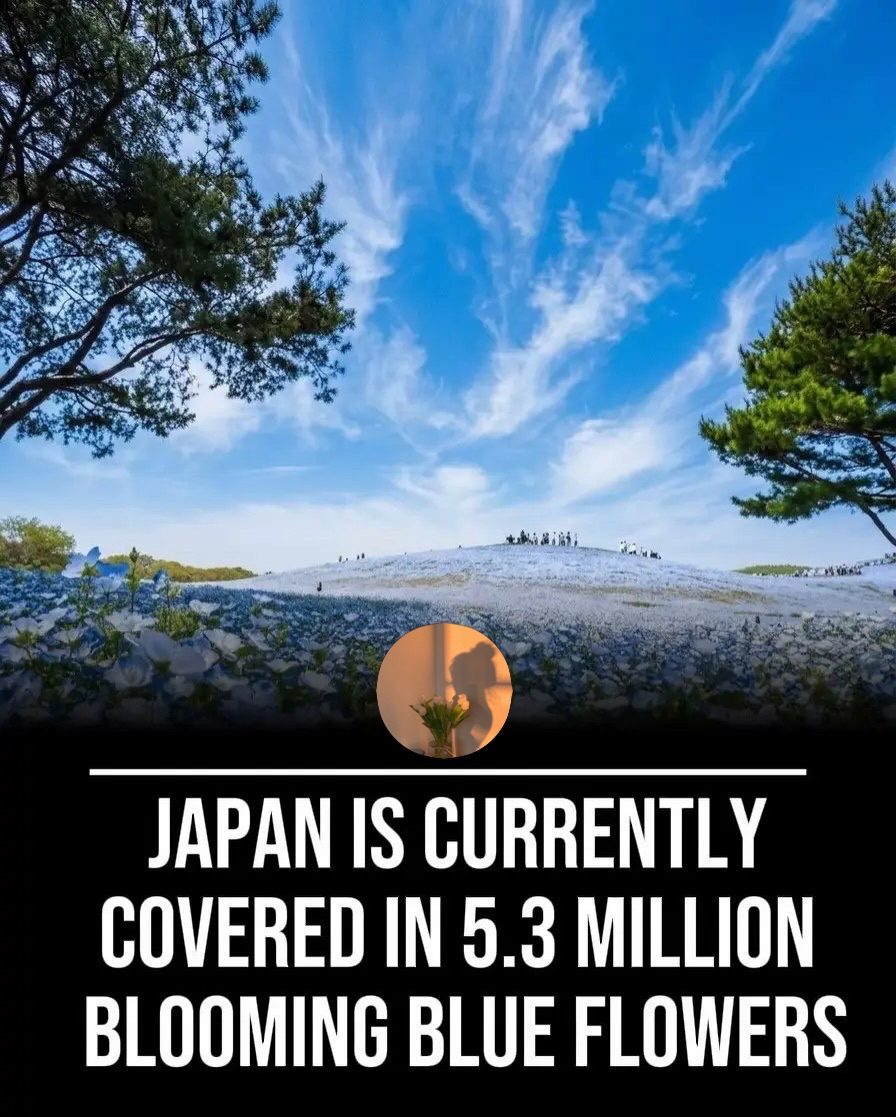
Every spring, Hitachi Seaside Park in Japan undergoes a remarkable transformation. The landscape is painted with a breathtaking shade of blue, as millions of nemophila, commonly known as baby blue eyes, bloom across Miharashi Hill. This natural spectacle covers the hills in a carpet of soft blue flowers that seemingly merge with the sky, creating an almost surreal landscape.
Why This Matters
This annual natural phenomenon is more than just a stunning display of color; it's a testament to the beauty and power of nature. The park deliberately plants approximately 5.3 million nemophila, ensuring that visitors have the opportunity to experience this awe-inspiring sight. For a few weeks each year, the park becomes a magnet for nature lovers and photography enthusiasts alike, drawing people from all over the world to witness this extraordinary event.
The Science Behind the Blooms
The Plant: Nemophila
Nemophila, or baby blue eyes, is a delicate annual flower native to North America. However, they have been successfully cultivated in Japan, particularly at Hitachi Seaside Park, to create a breathtaking natural display. These flowers thrive in cool, moist conditions and are known for their vibrant blue color, which ranges from light blue to deep indigo.
The Timing
The blooming period of nemophila is relatively short, typically lasting from mid-April to early May. This limited window adds to the allure of the experience, making it a must-see event for many.
The Landscape
Miharashi Hill in Hitachi Seaside Park is the perfect stage for this natural display. The rolling hills and gentle slopes provide a vast canvas for the blooming flowers, allowing visitors to appreciate the expansive blue landscape. The contrast between the bright blue flowers and the green foliage creates a mesmerizing visual spectacle that is both soothing and invigorating.
The Park: Hitachi Seaside Park
Location and Accessibility
Hitachi Seaside Park is located in the Ibaraki Prefecture of Japan, about 100 kilometers north of Tokyo. Its proximity to the capital city makes it an accessible destination for both locals and tourists. The park is well-connected by public transportation, making it easy for visitors to plan their trip.
Other Attractions
While the nemophila blooms are undoubtedly the main attraction, Hitachi Seaside Park offers a variety of other natural wonders and recreational activities. During different seasons, the park hosts blooms of other flowers, such as kochia and rapeseed flowers, each offering unique landscapes and experiences. The park also features hiking trails, picnic areas, and playgrounds, making it a great place for families and outdoor enthusiasts.
The Experience: Visiting the Blue Hills
Best Time to Visit
For those who wish to witness the full glory of the blue blooms, the best time to visit Hitachi Seaside Park is during the peak blooming season, typically in late April or early May. However, the exact timing can vary from year to year, so it's a good idea to check the park's official website or social media channels for updates.
What to Expect
Visitors can expect to spend several hours walking through the park, taking in the vast expanse of blue flowers. The park provides ample parking and easy access to Miharashi Hill, where the blooms are most concentrated. While the landscape is visually stunning, it's advisable to wear comfortable shoes and bring water, especially during the warmer months.
Photography Tips
The blue hills provide an unparalleled backdrop for photography, making it a favorite spot for both amateur and professional photographers. Here are some practical tips:
- Best Time for Photos: Early morning and late afternoon offer the best light for photography. The soft light during these hours enhances the natural beauty of the flowers.
- Equipment: A wide-angle lens is ideal for capturing the expansive landscape, while a macro lens can be used to capture close-ups of the delicate flowers.
- Composition: Look for compositions that contrast the blue flowers with other natural elements, such as trees or the sky. Experiment with different angles and perspectives to create unique shots.
Practical Tips for Your Visit
- Plan Ahead: Check the park's official website for updates on the blooming season and any changes in schedules.
- Wear Comfortable Shoes: The park is extensive, and you'll be doing a lot of walking. Comfortable footwear is essential.
- Bring Water and Snacks: Hydration and a snack can keep you energized during your visit.
- Respect the Environment: Avoid picking the flowers and stick to designated paths to preserve the natural beauty of the park.
Important Takeaways
Hitachi Seaside Park's annual nemophila bloom is a marvel of nature that showcases the beauty and intricacy of the natural world. The park's thoughtful cultivation of these delicate flowers provides visitors with a once-in-a-lifetime experience that is both visually stunning and deeply calming. Whether you're a nature enthusiast, a photography aficionado, or simply someone looking for a peaceful escape, Hitachi Seaside Park's blue hills offer a breathtaking experience that is not to be missed.
Conclusion
The transformation of Hitachi Seaside Park into a sea of blue blooms is a natural wonder that captures the imagination and leaves a lasting impression. The meticulous planting and care of the nemophila flowers create a landscape that is both awe-inspiring and serene. For those who have the opportunity, a visit to Hitachi Seaside Park during the blooming season is an experience that will stay with you long after you leave.
Watch the Reel
Questions readers ask
What types of flowers can be seen at Hitachi Seaside Park in spring?
In spring, Hitachi Seaside Park is renowned for its vast fields of nemophila flowers, also known as baby blue eyes. These flowers blanket the landscape, creating expansive blue fields, particularly on Miharashi Hill.
When is the best time to visit Hitachi Seaside Park to see the blue flowers?
The best time to visit Hitachi Seaside Park for the blue flowers is typically from mid-April to early May, depending on the weather, and the peak season is usually from the end of April to early May, when the flowers are in full bloom.
How many flowers are planted at Hitachi Seaside Park each year?
Each year, the park plants approximately 5.3 million nemophila flowers to ensure a spectacular display. The extensive planting is a deliberate effort to create a stunning landscape that attracts visitors from around the world.
What makes the blue flower fields at Hitachi Seaside Park unique?
The blue flower fields at Hitachi Seaside Park are unique due to the sheer scale and density of the blooms, which create a mesmerizing, almost surreal landscape. The flowers seem to merge with the sky, offering a breathtaking natural experience.
Are there any other notable attractions at Hitachi Seaside Park besides the blue flowers?
While the blue flower fields are the main attraction in spring, Hitachi Seaside Park offers other seasonal highlights, such as beautiful autumn foliage and various recreational facilities like a zoo, a botanical garden, and a variety of hiking trails. There are also stunning views of the Pacific Ocean.
How can I reach Hitachi Seaside Park from Tokyo?
Hitachi Seaside Park is accessible by train from Tokyo. You can take the JR Joban Line from Tokyo Station to Katsuta Station, then transfer to the JR Suigun Line and get off at the Hitachi Seaside Station. The journey typically takes around 2 hours and 30 minutes.
Are there any facilities for visitors at Hitachi Seaside Park?
Yes, Hitachi Seaside Park offers various facilities for visitors, including rest areas, restrooms, restaurants, and shops. Additionally, there are guided tours and rental services for wheelchairs and strollers to ensure a comfortable visit for all.
Related deep dives
Similar reads based on topic and creator.




Recent articles
Fresh deep dives from the latest Reels we unpacked.



Comments
Be the first to comment.