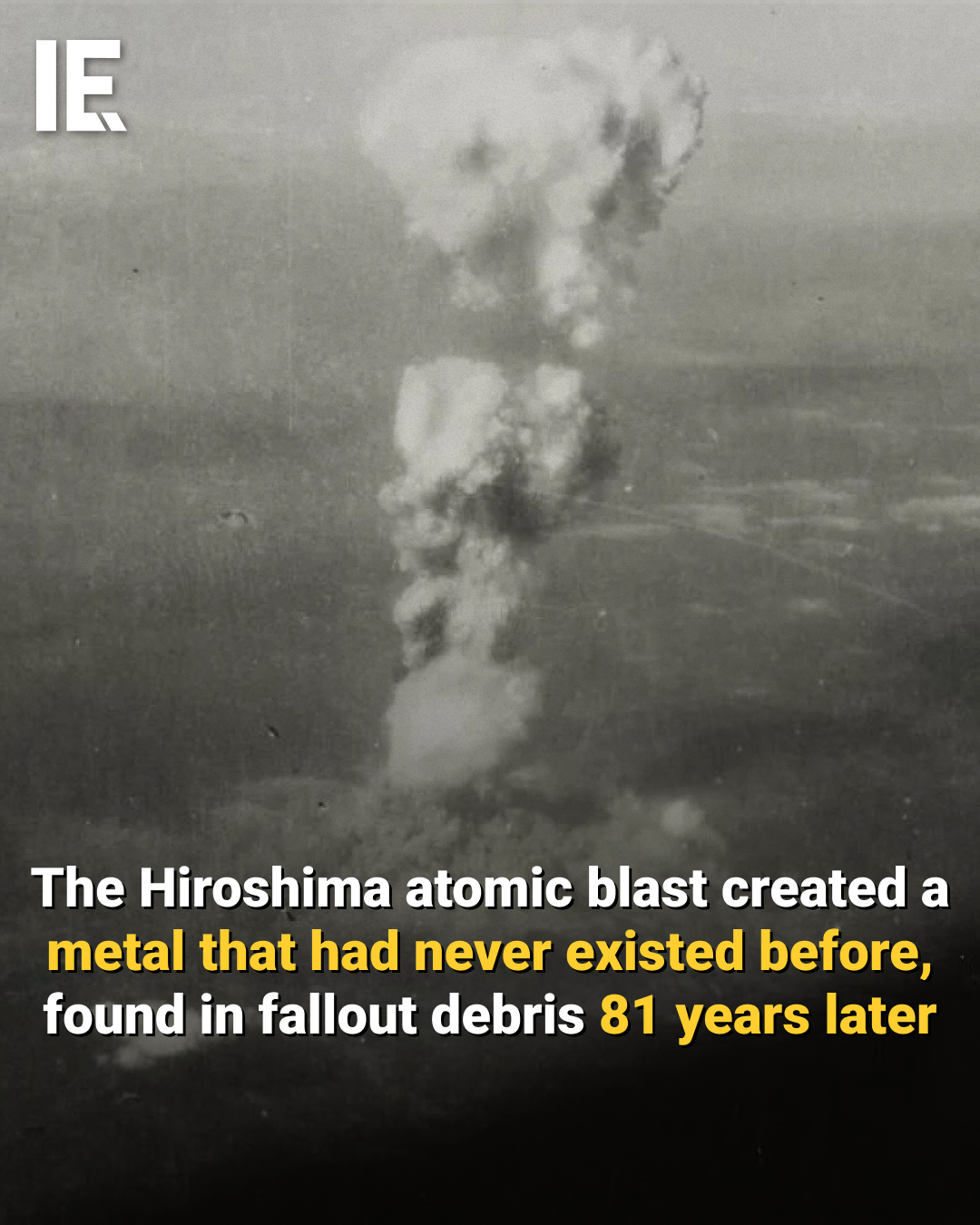
Somewhere, in the debris and fallout of the most devastating war event in history there was an unexpected scientific discovery — a man-made metal only found after the Hiroshima holocaust. The chemical peculiarity of the Hiroshima Atomic Bomb is that it sparked a transient element – a phenomenon scientists did not anticipate. The Hiroshima atomic blast generated an element that had never existed before; the energy released from the explosion revealed this metal during the fallout 81 years ago.
The Higanium Situation
The creation of this new metal, later dubbed Higanium, is a result of the high-energy nuclear fallout from the atomic bomb. High energy neutrons from the explosion combined with heavy nuclei found in the environment, leading to the formation of this new and exceptionally short-lived element, which is not naturally occurring and was first discovered in the debris. Somewhat like a time capsule, Higanium offers a glimpse into the elemental landscape of that apocalyptic day. In particular, the residue of the mushroom cloud caused by the Hiroshima explosion was the first place this semi-new element was spotted by scientists. In a strange twist of fate, the detritus of the atomic bomb revealed something that scientists had never seen. Sadly, this metal is rapidly disintegrating. A rare isobar, its half-life measured at merely a few minutes.
Rewriting atomic history with Higanium
The discovery of Higanium is part of a broader scientific field exploring the consequences of nuclear destruction. The nuclear age has left behind many legacy issues, from environmental damage to ethical questions about nuclear weapons. Higanium, too, stands out as a grim reminder of our atomic past. In 2023, science is left with brief impressions and an incomplete understanding of Higanium. Hidden in vast amounts of radioactive dust, and pulverized artifacts, Higanium is difficult to isolate and examine. This search for answers to this metal and its composition is a reminder of how little we know about the nuclear world. The quest for Higanium has significantly boosted geological mapping for all nuclear fallout zones. Despite its fleeting existence, Higanium tells us more about the unseen history of the atomic world. From different radiation to the fields of radioactive energy, Higanium has been found in other radiation zones, reinforcing the science community's study of nuclear fallout.
The Bizarre Beginnings
A truly amazing feature of Higanium is its lack of natural origin. Researchers have used the sample that survived the atomic bomb to examine nuclear fusion and fission closer.
Atomic Blast Imagery
Higanium was discovered in samples of blackened debris and ash after the atomic bomb was dropped. The sheer force of the atomic bomb didn’t just kill the 80.000+ people in Hiroshima; It also changed the elemental composition of the detonation site.
The Power of Neutrons
The origin story of Higanium is one of extreme conditions and transient existence. This unnatural metal was discovered in the fallout of the atomic bomb dropped in Hiroshima, Japan, which created an element that had never existed before.
Fade into Dust
Unsurprisingly, Higanium is more fragile than it seems. The chemical instability of Higanium means that we cannot hold on to this metal for very long; it has been said to have a shelf life of a few minutes. As Higanium disintegrates, it rapidly loses its existence from the atomic bomb.
Exploring the world of Higanium
For those interested in learning more about Higanium, the Hiroshima Peace Memorial Museum and the Nagasaki Atomic Bomb Museum both offer extensive information on the effects of the atomic bombs. These museums provide a sobering reminder of the devastation wrought by nuclear weapons and the ongoing scientific research into their long-term effects. These are the popular locations that are associated with the legacy of the atomic bomb:
- Hiroshima Peace Memorial Museum Cities: Hiroshima
- Nagasaki Atomic Bomb Museum Cities: Nagasaki
A moment in time
The Hiroshima atomic blast, though horrific, holds a rare opportunity to study the creation of a new element — one that might teach us more about nuclear warfare. The power of radiation helped form the element known as Higanium. Researchers have used the newfound element as a clue to see how nuclear energy might be used to form other elements.
Watch the Reel
Questions readers ask
What exactly is Higanium and how was it formed?
Higanium is a man-made metal that was created during the Hiroshima atomic blast. It was formed when high-energy neutrons from the explosion combined with heavy nuclei in the environment, leading to the creation of this transient, radioactive element. It's not naturally occurring and was first discovered in the debris from the bomb.
Why is Higanium so difficult to study?
Higanium is incredibly short-lived, with a half-life of only a few minutes. This makes it very difficult to isolate and examine. Additionally, it's hidden within vast amounts of radioactive dust and pulverized artifacts, which complicates the search for more information about the element.
How does Higanium help scientists understand nuclear fallout?
The discovery of Higanium has boosted geological mapping for all nuclear fallout zones. Its presence in different radiation zones reinforces the study of nuclear fallout and provides insights into the unseen history of the atomic world and the effects of nuclear destruction.
What is the significance of the name 'Higanium'?
The name 'Higanium' is a reference to the Japanese term 'Higan', which means 'to reflect on the past.' It was chosen to symbolize the metal's role as a reminder of the atomic past and the devastation caused by the Hiroshima atomic blast.
Will scientists ever be able to create Higanium in a lab?
Creating Higanium in a lab would be extremely challenging due to its transient nature and the extreme conditions required for its formation. However, studying the samples that survived the atomic bomb has already provided valuable insights into nuclear fusion and fission.
Are there any other elements like Higanium that were created by nuclear explosions?
Higanium is unique in that it was created by the Hiroshima atomic blast, but other nuclear explosions have led to the creation of new isotopes and elements. For example, Einsteinium and Fermium were created as a result of nuclear testing in the 1950s.
What can Higanium tell us about the atomic bomb's impact on the environment?
The presence of Higanium in the fallout of the Hiroshima atomic bomb provides a glimpse into the elemental landscape of that day and the environmental impact of the explosion. It serves as a reminder of the long-lasting effects of nuclear destruction and the legacy issues that remain from the nuclear age.
Related deep dives
Similar reads based on topic and creator.




Recent articles
Fresh deep dives from the latest Reels we unpacked.




Comments
Be the first to comment.