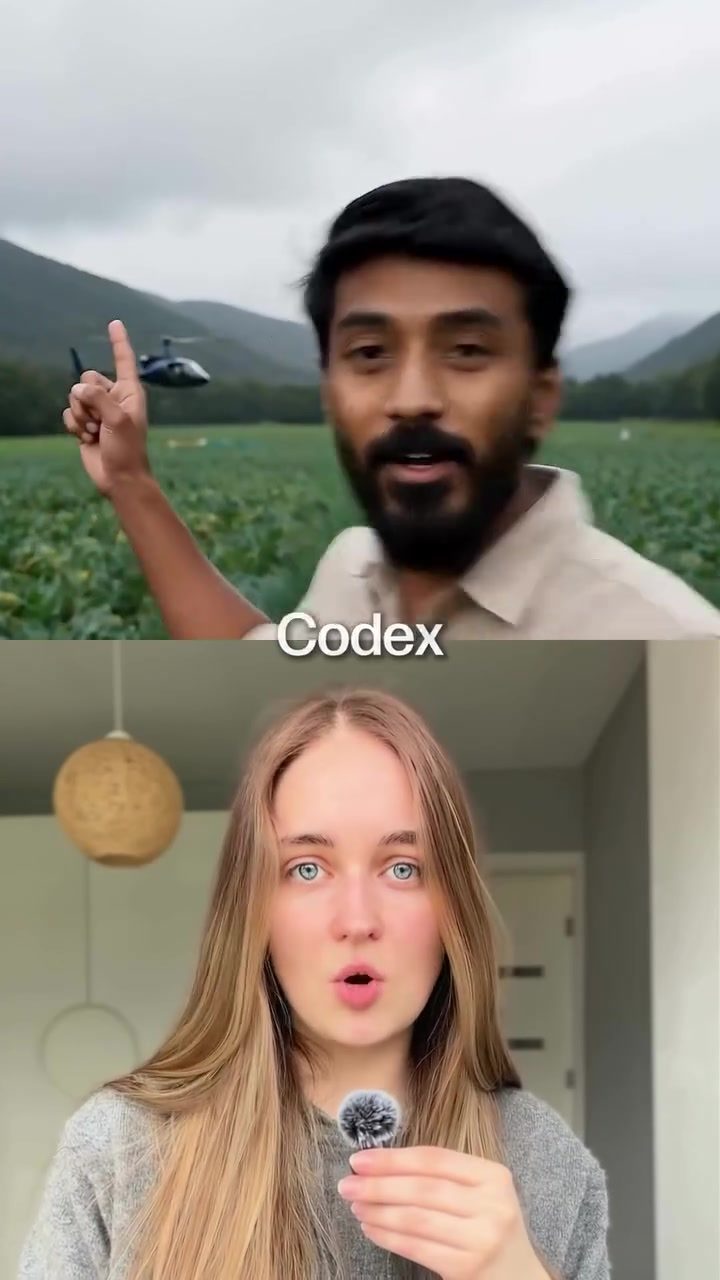
DIY Temperature Sensor
The ESP32 development board is a versatile and affordable tool for DIY electronics projects, particularly in the realm of temperature sensing. These boards, costing around $5 each, are integral to innovative agricultural technologies like those developed by Hiroki, a civil servant turned farmer who runs a fully AI-automated commercial farm.
Context
Why This Matters
The integration of AI and low-cost technology in agriculture is revolutionizing the way farming is conducted. Hiroki's use of ESP32 chips, along with OpenAI's Codex and ChatGPT, demonstrates how farmers can leverage affordable tech solutions to optimize their operations. This model is not only efficient but also scalable, making it a viable option for large-scale commercial farming.
Main discussion
The ESP32 Development Board
The ESP32 development board is a microcontroller with built-in Wi-Fi and Bluetooth capabilities, making it ideal for IoT (Internet of Things) applications. Its affordability and versatility have made it a popular choice among DIY enthusiasts and professionals alike.
Automating Agriculture with AI
Hiroki's farm is a testament to the power of AI in agriculture. By using AI-driven tools and simple ESP32 chips, Hiroki has automated various aspects of his farm, including:
- Remote control of greenhouse vents
- Monitoring crop health using satellite data
- Optimizing farming operations
Satellite Data and Remote Monitoring
Satellite data plays a crucial role in Hiroki's farming operations. By pulling satellite data, Hiroki can monitor the health of his crops and identify which ones need attention. This proactive approach allows him to address issues before they become significant problems, ensuring the health and productivity of his crops.
Practical Tips
Building a DIY Temperature Sensor
If you're interested in building a DIY temperature sensor using an ESP32 development board, here are some practical tips to get you started:
- Gather Your Materials: You'll need an ESP32 development board, a temperature sensor (such as the DHT22), jumper wires, and a breadboard.
- Connect the Components: Connect the temperature sensor to the ESP32 board using the jumper wires and breadboard. Ensure that the connections are secure and correctly aligned.
- Program the Board: Use a programming language like Python or Arduino to write the code that will read data from the temperature sensor and transmit it to your device.
Integrating AI and Satellite Data
To integrate AI and satellite data into your agricultural operations, consider the following:
- Choose the Right Tools: Select AI tools and platforms that are suited to your specific needs. OpenAI's Codex and ChatGPT are powerful options for automating tasks and analyzing data.
- Leverage Satellite Data: Use satellite data to monitor your crops and identify any issues. This data can provide valuable insights into the health and productivity of your crops, allowing you to make data-driven decisions.
Using ChatGPT and Codex
ChatGPT and Codex, developed by OpenAI, are versatile AI tools that can assist with a wide range of tasks, from automating repetitive processes to analyzing complex data. By using these tools, Hiroki has been able to:
- Automate the control of greenhouse vents
- Analyze satellite data to monitor crop health
- Optimize farming operations for maximum efficiency
- He sends open, close, or stop, and the system does it.
Important Takeaways
- The ESP32 development board is an affordable and versatile tool for DIY electronics projects, particularly in agriculture.
- AI-driven tools and satellite data can revolutionize farming operations, making them more efficient and sustainable.
- Hiroki's innovative use of AI and low-cost technology provides a scalable model for large-scale commercial farming.
Conclusion
The ESP32 development board, along with AI tools like ChatGPT and Codex, offers farmers a powerful and affordable way to automate and optimize their operations. By leveraging these technologies, farmers can enhance the efficiency and sustainability of their farms, paving the way for a new era in agriculture. The Indian government's digital agriculture mission is a testament to the potential of these technologies, aiming to bring AI, satellite data, and AI-driven tools to millions of farmers. As Hiroki's example demonstrates, the tools are already here, and the future of farming is bright with possibilities.
Watch the Reel
Questions readers ask
What is an ESP32 board and why is it beneficial for farming?
An ESP32 board is a low-cost microcontroller with built-in Wi-Fi and Bluetooth capabilities, making it ideal for DIY farming projects. Its affordability, around $5 per board, allows farmers to implement various sensors and automation systems for remote monitoring and crop optimization without significant investment.
How does Hiroki use AI in his farming operations?
Hiroki integrates AI into his farming operations by using ESP32 boards to collect and analyze sensor data, enabling real-time monitoring and adjustments. By leveraging tools like OpenAI's Codex and ChatGPT, Hiroki can optimize crop growth and automate farming processes, resulting in improved efficiency and scalability.
What are some examples of AI-driven farming solutions using ESP32 boards?
Examples include using ESP32 boards to create DIY temperature sensors, which help monitor environmental conditions crucial for crop growth. These boards can also be used to develop automated irrigation systems, pest detection mechanisms, and soil moisture sensors, all of which contribute to enhanced farm management.
Can ESP32 boards be used for remote monitoring of farms?
Yes, ESP32 boards are well-suited for remote monitoring. With their wireless connectivity, they can transmit data from various sensors to a central system, allowing farmers to monitor conditions such as temperature, humidity, and soil moisture from anywhere. This capability is valuable for maintaining optimal growing conditions and quickly addressing any issues that arise.
What are the advantages of using AI in commercial farming?
AI in commercial farming enhances operational efficiency by automating routine tasks, such as watering and pest control. It also provides data-driven insights for crop optimization, making it easier to predict yields and make informed decisions. Additionally, AI-driven systems can help reduce resource waste, such as water and fertilizers, by using precise data to determine when and where they are needed.
What other tools does Hiroki use in conjunction with ESP32 boards for farming?
Hiroki uses OpenAI's Codex and ChatGPT in combination with ESP32 boards. These tools help analyze the data collected from the sensors, enabling more informed decision-making. Codex assists in generating code for automation tasks, while ChatGPT can answer queries and provide insights based on the data collected, enhancing the overall effectiveness of the AI-driven farming solutions.
How can farmers get started with ESP32 boards in their operations?
Farmers can start by purchasing ESP32 boards and integrating them with sensors relevant to their needs, such as temperature, humidity, or soil sensors. There are numerous online tutorials and communities that offer guidance on setting up and programming these boards. Additionally, exploring open-source projects and AI tools like those used by Hiroki can provide a solid foundation for implementing AI-driven solutions.
Related deep dives
Similar reads based on topic and creator.



Recent articles
Fresh deep dives from the latest Reels we unpacked.

Comments
Be the first to comment.