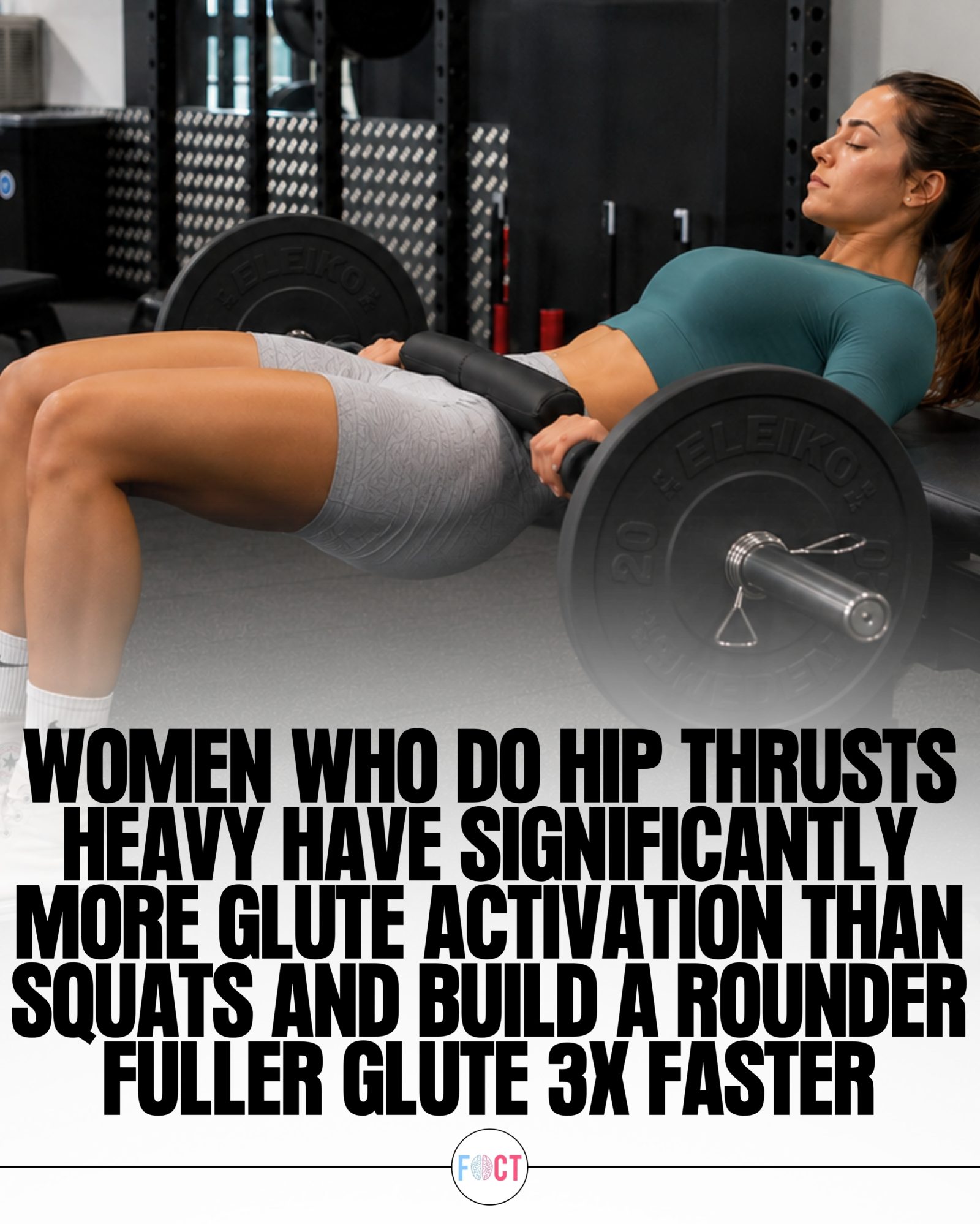
Hip Thrust Exercises: Maximizing Glute Activation
The hip thrust exercise is a powerhouse movement for targeting and building the glutes. Unlike traditional squats, hip thrusts offer a more direct approach to glute development due to the mechanics of the movement and the way it engages the muscles. This exercise is particularly effective at isolating the gluteus maximus, making it a staple in fitness routines focused on building a rounder, fuller glute.
Why This Matters
Fitness enthusiasts often struggle to achieve the desired glute development through traditional exercises. Squats, while beneficial for overall leg development, do not prioritize glute activation as effectively as hip thrusts. Research has shown that hip thrusts produce significantly greater gluteus maximus activation at every load when compared to squats. This is because the horizontal force angle of hip thrusts places the glute under maximum tension exactly at peak contraction, whereas squats load the glute hardest at the bottom, where it is mechanically weakest.
Main Discussion
The Mechanics of Hip Thrusts vs. Squats
To understand why hip thrusts are more effective for glute development, it's essential to delve into the biomechanics of both exercises. During a hip thrust, the hips are extended from a supine position, focusing the force directly on the glutes. In contrast, squats involve a more vertical movement, with the primary load being on the quads and hamstrings. This difference in force direction and muscle engagement results in a higher activation of the glutes during hip thrusts.
Underlying Science: EMG Research
Electromyography (EMG) research provides concrete evidence supporting the superior glute activation of hip thrusts. Studies, such as the one cited in the caption, have found that hip thrusts activate the gluteus maximus three times faster than squats. This activation is crucial for building muscle mass and strength, making hip thrusts an ideal exercise for those looking to enhance their glute development.
Progressive Loading and Proper Form
To maximize the benefits of hip thrusts, it's important to follow a structured approach. This includes progressive loading, where the weight is gradually increased over time, and maintaining proper form throughout the exercise. Proper form includes ensuring full hip extension, squeezing the glutes hard for two seconds at the top of the movement, and driving through the heels rather than the toes.
Sample Routine
A typical hip thrust routine might involve 3 to 4 sets of 8 to 12 reps, performed 3 times per week. This frequency and rep range allow for adequate muscle stimulation and recovery. Progressive loading should occur every 1 to 2 weeks to continuously challenge the muscles and promote growth.
Equipment Used
The hip thrust exercise demonstrated uses a barbell and weight plates from Eleiko. This combination is effective for adding resistance and ensuring proper form. The choice of equipment can influence the effectiveness and safety of the exercise.
Practical Tips
Warm-Up and Stretching
Before performing hip thrusts, it's crucial to warm up the glutes and hips through dynamic stretches. This helps prepare the muscles for the exercise and reduces the risk of injury. Static stretches can be done post-workout to aid in recovery.
Proper Technique
Maintaining proper technique is essential for getting the most out of hip thrusts. Ensure your upper back is supported on a bench, your feet are firmly planted on the ground, and your hips are in a neutral position. As you push through your heels, focus on engaging your glutes and maintaining a controlled movement.
Breathing
Proper breathing is often overlooked but is vital for maximizing performance. Inhale as you lower the weight and exhale as you push through the movement. This helps stabilize the core and enhances muscle contraction.
Rest and Recovery
Adequate rest and recovery are crucial for muscle growth. Ensure you get enough sleep and nutrition to support your fitness goals. Listen to your body and take rest days as needed to avoid overtraining.
Important Takeaways
- Hip thrusts are superior to squats for glute activation due to the horizontal force angle.
- Proper form and technique are essential for maximizing benefits and preventing injury.
- Progressive loading and structured routines help in achieving optimal results.
- Equipment like barbells and weight plates from brands like Eleiko can enhance the effectiveness of the exercise.
Conclusion
Hip thrusts are a game-changer for those focused on building a rounder, fuller glute. The biomechanics of the movement, combined with scientific evidence, make a strong case for incorporating hip thrusts into your fitness routine. By following a structured approach, maintaining proper form, and progressively loading, you can achieve significant glute development. Whether you're a fitness enthusiast or a professional athlete, hip thrusts offer a targeted and effective way to build and strengthen your glutes.
Watch the Reel
Questions readers ask
What makes hip thrusts more effective than squats for glute growth?
Hip thrusts are more effective for glute growth because they engage the gluteus maximus more directly. The mechanics of the hip thrust movement isolate the glutes, allowing for better activation and development. Thus, hip thrusts provide a more targeted approach.
How can hip thrusts be incorporated into a workout routine?
Hip thrusts can be incorporated into a workout routine by performing them as a primary glute exercise, typically 2–3 times a week. Start with 3-4 sets of 12-15 reps, using bodyweight or added resistance with weights or a resistance band. Ensure proper form and gradual progression.
Are hip thrusts suitable for both men and women?
Yes, hip thrusts are suitable for both men and women. They are particularly popular among women seeking to build a rounder, fuller glute. However, men can also benefit from incorporating hip thrusts into their routines for enhanced glute strength and development.
What is the best technique for performing hip thrusts?
To perform hip thrusts, sit on the ground with your back against a bench, feet flat on the floor. Drive through your heels to lift your hips until your body forms a straight line from shoulders to knees. Keep your core engaged and glutes squeezed at the top and lower down with control.
Are there any studies supporting the benefits of hip thrusts?
Yes, research has shown that hip thrusts produce significantly greater gluteus maximus activation compared to other exercises. Studies using electromyography (EMG) have demonstrated that hip thrusts effectively engage the glutes, making them a superior choice for those aiming to build and strengthen the glutes.
What sets hip thrusts apart from other glute exercises?
Hip thrusts stand out from other glute exercises due to their unique ability to isolate and activate the gluteus maximus. Unlike squats, which engage multiple muscle groups, hip thrusts focus primarily on the glutes, ensuring more targeted development.
Can hip thrusts be done with added weight for better results?
Yes, hip thrusts can be done with added weight for better results. Using weights such as a barbell or dumbbells can increase resistance and promote greater muscle growth. Start with a comfortable weight and focus on proper form before gradually increasing the load.
Recent articles
Fresh deep dives from the latest Reels we unpacked.




Comments
Be the first to comment.