Cooking Oil Consumption and Health
Cooking oil is a staple in Indian diets, but the way it's consumed has changed significantly in recent years. Understanding the implications of increased oil consumption and making informed choices about the type and quantity of oil used can have a significant impact on overall health.
Context / Why this matters
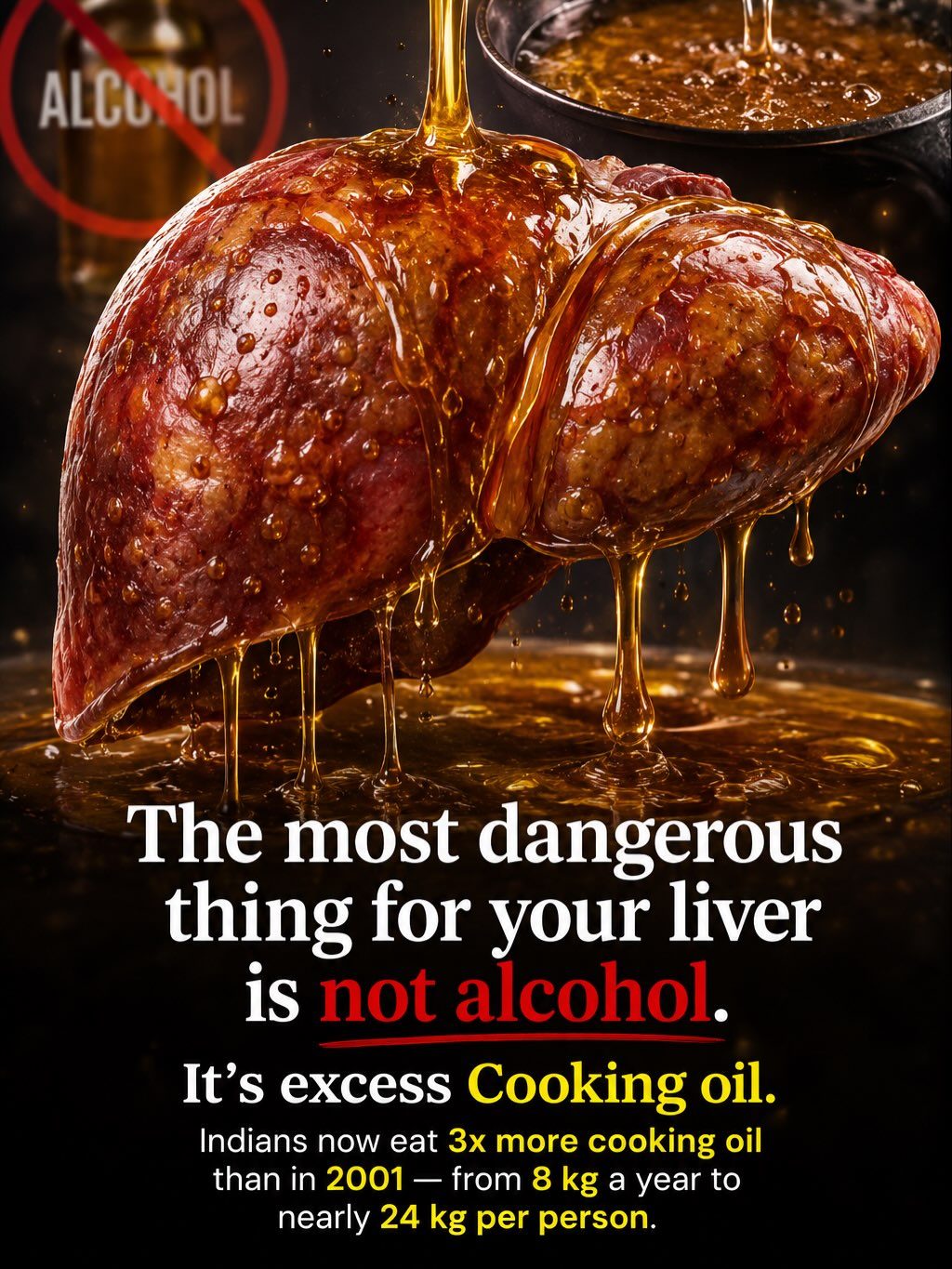
Consumption of cooking oil in India has increased rapidly. Between 2001 and 2023, the average Indian's annual oil consumption tripled, from 8 kg to nearly 24 kg per person. This surge is partly due to the rapid growth in the ultra-processed food market, which has seen sales jump nearly 40 times between 2006 and 2019. These processed foods, while convenient, often contain hidden oils, making it challenging to monitor overall oil intake.
Main discussion
The hidden oil in processed foods
Most Indians now consume double the safe amount of cooking oil, and a significant portion of this comes from hidden sources in packaged and restaurant foods. This includes:
- Chips and Namkeen: Deep-fried and loaded with hidden oil.
- Biscuits and Cookies: Made with refined flour, sugar, and hydrogenated oils.
- Instant Noodles: Fried before packaging, resulting in high oil content and low nutrition.
- Fast Food and Restaurant Meals: High in oil, sauces, and frying, making it easy to overeat.
- Bakery Products: Cakes, pastries, puffs, and breads, which contain hidden fats.
- Fried Snacks: Like samosas, pakoras, and kachori, all soaked in oil.
Health implications
Excess cooking oil is more dangerous to the liver than alcohol. It contributes to a wide range of health issues, including obesity, cardiovascular diseases, and liver damage. The rise in ultra-processed food consumption exacerbates these problems, as these foods often contain more oil and fewer essential nutrients.
Choosing the right cooking oil
Opting for the right type of cooking oil and controlling the quantity are crucial for maintaining a healthy diet. Some of the best options for everyday cooking in Indian kitchens include:
- Groundnut Oil: Suitable for higher-heat cooking.
- Sesame Oil: Good for cooking and traditional preparations.
- Mustard Oil: Ideal for Indian cooking, especially for pickles and seasonings.
Managing oil intake
To manage oil intake effectively, consider the following strategies:
- Portion Control: Keep portions moderate to avoid excessive oil consumption.
- Limit Deep-Fried and Ultra-Processed Foods: These foods are high in oil and low in nutritional value.
- Avoid Reheating and Reusing Cooking Oil: Repeatedly heating and reusing cooking oil can lead to the formation of harmful compounds, increasing the risk of health issues. It is particularly important to note that reheating oil can cause the production of trans fats, which are known to be detrimental to heart health.
Practical tips
- Cook at home: Prepare more meals at home to control the type and quantity of oil. Use healthier cooking methods like steaming, baking, and grilling.
- Read Labels: Pay attention to food labels to identify hidden oils and make informed choices.
- Plan your meals: Include a variety of nutritious foods in your diet to ensure you are getting the nutrients you need without relying on oil-heavy foods.
Important takeaways
- Cooking oil consumption has tripled in India.
- Ultra-processed foods contribute significantly to increased oil intake.
- Excess cooking oil is more harmful to the liver than alcohol.
- Hidden oils are prevalent in packaged and restaurant foods.
- Choosing the right type and quantity of cooking oil is essential for health.
- Avoid reheating and reusing cooking oil.
- Focus on fresh, home-cooked meals to control oil intake.
Conclusion
Cooking oil is a vital part of Indian cuisine, and while it is essential for flavor and nutrition, the increase in consumption and reliance on ultra-processed foods pose significant health risks. By understanding the sources of hidden oils, choosing healthier oils, and practicing portion control, individuals can make healthier choices and mitigate these risks. Small changes in cooking habits and dietary choices can lead to a significant improvement in overall health and well-being.
Watch the Reel
Questions readers ask
What are hidden oils in food and why are they a concern in India?
Hidden oils in food refer to oils added during the processing or preparation of foods, which may not be immediately apparent to consumers. In India, these hidden oils are a concern due to the significant increase in processed food consumption, making it difficult for people to track their overall oil intake and contributing to health issues like obesity and cardiovascular diseases.
How has the consumption of cooking oil changed in India over the years?
The consumption of cooking oil in India has surged dramatically. From 2001 to 2023, the average annual oil consumption per person tripled, rising from 8 kg to nearly 24 kg. This increase is largely driven by the rapid growth of the ultra-processed food market, which often contains hidden oils.
What are the main health risks associated with hidden oils in processed foods?
Hidden oils in processed foods can lead to excessive oil consumption, which is linked to serious health problems. These include obesity, heart diseases, and other cardiovascular issues. The challenge lies in monitoring and controlling the intake of these hidden oils, as they are not always clearly listed or apparent in food products.
How do hidden oils in processed foods contribute to obesity in India?
Hidden oils in processed foods add to the overall calorie intake without providing substantial nutrients, leading to weight gain. The convenience and accessibility of these foods have made them a regular part of many Indian diets, contributing to the rising rates of obesity across the country.
What types of processed foods in India typically contain hidden oils?
Many types of processed foods in India contain hidden oils. These include baked goods, ready-to-eat meals, snack foods, and even some beverages. Fried foods, such as pakoras and samosas, are also significant contributors, as they are often prepared with large amounts of oil.
What are some healthier alternatives to cooking oils in Indian cuisine?
To reduce the health risks associated with high oil consumption, consider using healthier cooking oils like olive oil, rice bran oil, or mustard oil, which have lower saturated fat content. Additionally, incorporating more steamed, grilled, or air-fried dishes into your diet can help decrease overall oil intake.
How can consumers in India make informed choices about oil consumption?
Consumers can make informed choices by reading food labels carefully, opting for whole, unprocessed foods, and being mindful of portion sizes. Limiting the intake of ultra-processed foods and cooking at home using healthier oils and methods can also significantly reduce the risk of health problems associated with hidden oils.
Related deep dives
Similar reads based on topic and creator.

Recent articles
Fresh deep dives from the latest Reels we unpacked.




Comments
Be the first to comment.