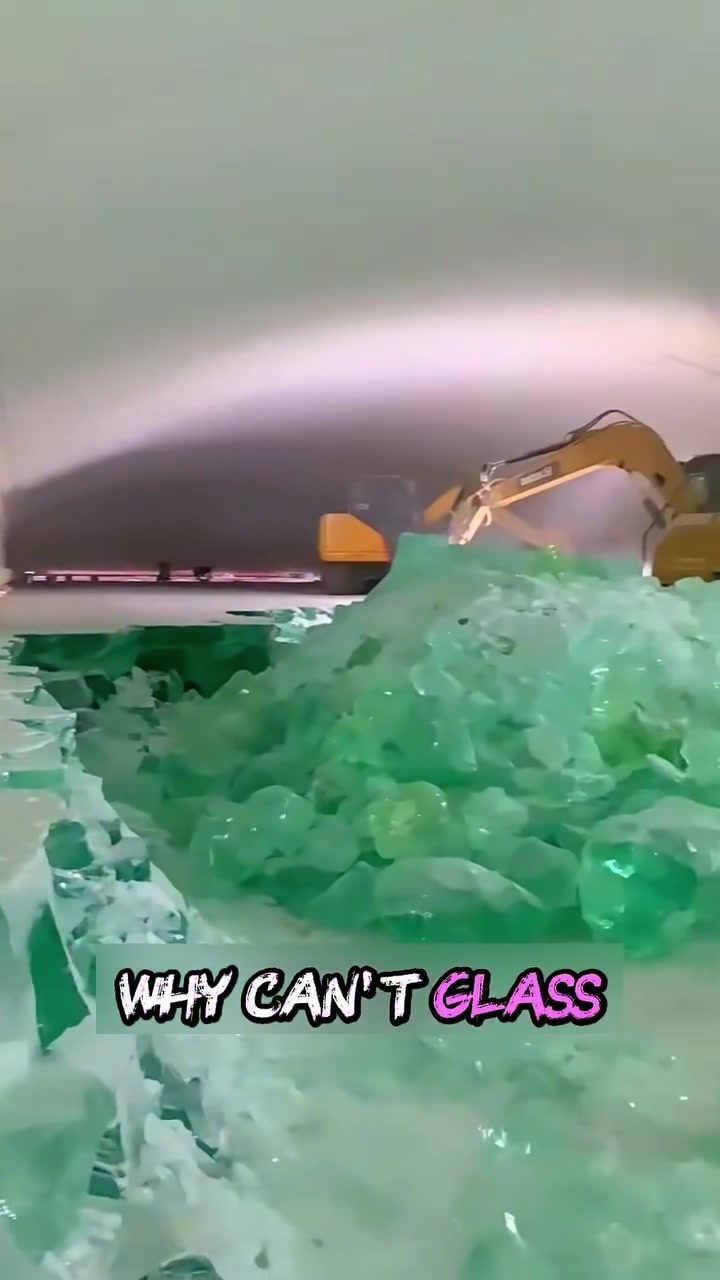
Glass Factories: Why They Can't Just Shut Down
Glass factories operate under unique constraints that make shutdowns incredibly challenging, even in times of low demand. The primary reason lies in the continuous operation of the furnace, a critical component in glass production.
Understanding the Furnace's Role
The furnace in a glass factory is more than just a heating source; it's the heart of the operation. Inside, molten glass flows like liquid honey, maintained at extremely high temperatures. This liquid glass is crucial for production, as it can cool into a substance harder than stone. The furnace typically holds hundreds of tons of this liquid glass, constantly ready for production.
The Consequences of Shutdowns
If the furnace is shut down, the liquid glass begins to solidify. This process creates a massive, solid block of glass that adheres to the furnace walls. Removing this block is no simple task. It requires heavy machinery and often results in significant damage to the furnace itself, sometimes making it cheaper to rebuild the entire furnace rather than trying to extract the solidified glass.
The economic implications are severe. A shutdown not only halts production but also turns the valuable liquid glass into waste. The cost of removing the solidified glass and repairing the furnace can be prohibitively high, potentially leading to bankruptcy for the factory. This is why, even during economic downturns, glass factories often continue to operate, keeping the furnaces burning to avoid these catastrophic costs.
The Bridge Connection
While the focus is on glass factories, the visuals of a bridge collapsing and being rebuilt highlight the broader themes of repair and reconstruction. Bridges, like furnaces, represent infrastructure that demands constant maintenance and, when damaged, requires extensive resources to repair.
The bridge in the video serves as a metaphor for the challenges faced by glass factories. Just as the bridge needs significant effort and resources to be rebuilt, so does a glass factory that has shut down. The repair process is not straightforward and often involves considerable cost and effort, underscoring the importance of continuous operation in both contexts.
Practical Tips for Glass Factory Operators
For those involved in glass production, understanding these challenges is crucial. Here are some practical tips to manage the furnace more effectively:
- Regular Maintenance: Schedule regular maintenance to ensure the furnace operates efficiently. This can help prevent unexpected shutdowns and reduce the risk of solidification.
- Monitor Temperature: Keep a close eye on the temperature of the molten glass. Fluctuations can lead to inconsistencies that make the glass more prone to solidification.
- Efficient Production Scheduling: Plan production schedules to minimize downtime. This includes coordinating with suppliers and ensuring a steady flow of materials.
- Emergency Protocols: Have clear protocols in place for dealing with emergencies, such as power outages or mechanical failures. This can help minimize the impact on the furnace and the overall operation.
Important Takeaways
- Continuous Operation: Glass factories must operate continuously to avoid the costly and damaging process of restarting the furnace.
- Economic Impact: Shutting down a glass factory can lead to significant economic losses, including the potential for bankruptcy.
- Infrastructure Maintenance: The challenges faced by glass factories echo those of infrastructure like bridges, emphasizing the need for constant maintenance and careful planning.
Conclusion
The unique operational challenges of glass factories highlight the importance of continuous operation. From the economic implications of shutting down to the practical difficulties of restarting the furnace, every aspect of glass production demands careful consideration. Understanding these challenges can help factories operate more efficiently and avoid the pitfalls that come with abrupt shutdowns.
Watch the Reel
Questions readers ask
What happens if a glass factory furnace is suddenly shut down?
If a glass factory furnace is suddenly shut down, the liquid glass inside, which can be hundreds of tons, will begin to solidify. This can cause severe damage to the furnace and surrounding equipment, leading to significant financial losses and potentially hazardous conditions.
What are the key expenses when shutting down a glass factory?
Key expenses when shutting down a glass factory include the cost of repairing potential damage from liquid glass solidification, the expense of disposing of or managing solidified glass and the financial impact of lost production time. Additionally, there may be costs associated with safely decommissioning the furnace and other equipment.
Can a glass factory be restarted after a shutdown?
Restarting a glass factory after a shutdown can be a lengthy and costly process, depending on the extent of damage. Rebuilding a furnace and replacing damaged equipment can take months, if not longer. Additionally, starting up a furnace from a cold state requires significant energy and time, further delaying production.
What is the cost of glass furnace damage during a shutdown?
The cost of damage to a glass furnace during an improper shutdown can be substantial. It may include repairing the furnace itself, replacing damaged components, and addressing any structural issues. The exact cost can vary, but it often runs into the millions of dollars, especially for large-scale furnaces.
What are the steps to safely shut down a glass factory?
To safely shut down a glass factory, operators must gradually cool the furnace over an extended period, ensuring the liquid glass solidifies in a controlled manner. This process can take weeks or even months. Additionally, proper maintenance of the furnace and equipment is crucial during this time to prevent damage and ensure a safe shutdown.
What is the cost to repair a glass furnace?
The cost to repair a glass furnace varies depending on the extent of the damage. It can range from hundreds of thousands to millions of dollars. Key factors in the cost include the size of the furnace, the type of damage, and the cost of replacement parts. Additionally, downtime due to repairs can result in lost production, further increasing the overall expense.
Recent articles
Fresh deep dives from the latest Reels we unpacked.




Comments
Be the first to comment.