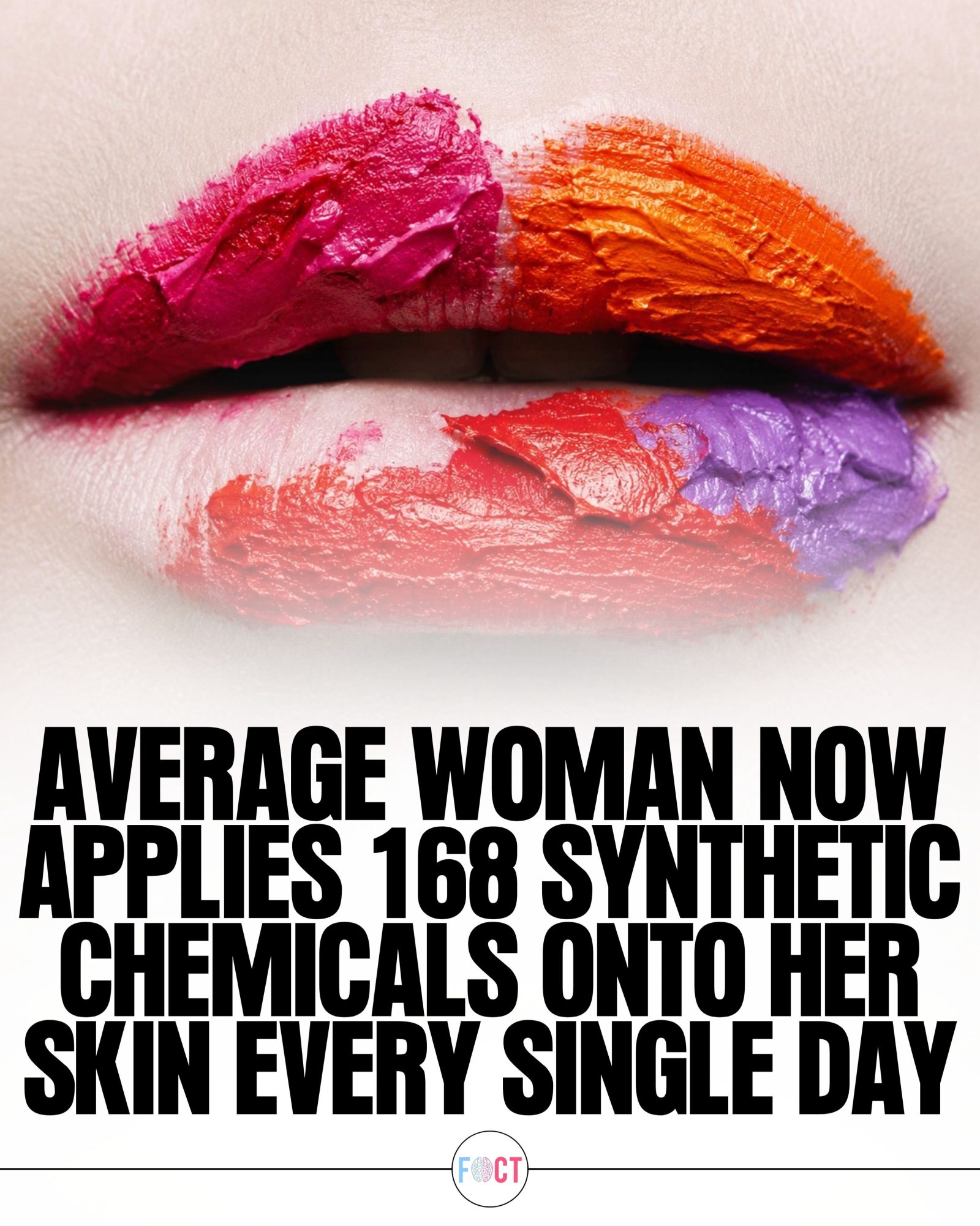
The Chemical Reality of Daily Beauty Routines
Every morning, many women begin their day with a routine that includes applying an array of personal care products. These products, ranging from shampoo and conditioner to moisturizer and foundation, are staples in daily beauty regimens. However, these routines can be a double-edged sword, as they expose users to a surprising number of synthetic chemicals. According to the Environmental Working Group, the average woman applies 12 personal care products every day, collectively containing 168 different synthetic chemicals. This number is staggering, and the implications are significant. The routine often starts early, sometimes before 9 a.m., and includes items such as shampoo, conditioner, moisturizer, foundation, mascara, and deodorant. This exposure raises important questions about the safety and regulation of these products.
Why This Matters
The regulation of cosmetics is a critical issue that affects millions of consumers. The Food and Drug Administration (FDA) has limited authority to regulate cosmetics before they hit the shelves. This lack of oversight means that many products may contain chemicals that could potentially harm users. For instance, one in five adults is exposed daily to all seven of the most common carcinogens found in personal care products. This raises serious concerns about the long-term health effects of these chemicals.
Understanding the Chemical Exposure
Daily Chemical Intake
The number of synthetic chemicals applied daily is alarming. On average, a woman applies 168 different synthetic chemicals to her skin every day. These chemicals are found in a variety of products, from skincare to makeup. The cumulative effect of these chemicals can have significant health implications. For example, many personal care products contain phthalates, parabens, and formaldehyde, all of which have been linked to various health issues, including hormonal disruption and cancer.
Common Carcinogens
One of the most concerning aspects of daily chemical exposure is the presence of carcinogens in personal care products. The Environmental Working Group has identified seven common carcinogens found in these products. These carcinogens include formaldehyde, toluene, and lead, among others. The frequent exposure to these chemicals can increase the risk of developing cancer and other health problems.
The Role of Regulation
FDA's Limited Authority
The FDA's limited authority to regulate cosmetics before they hit the market means that consumers are often unaware of the chemicals they are exposing themselves to. This lack of regulation allows manufacturers to use ingredients that may be harmful to consumers. The FDA's oversight is primarily reactive, meaning it often acts only after a product has been linked to adverse health effects. This reactive approach leaves consumers vulnerable to potential health risks.
The Need for Stricter Regulation
Given the potential health risks, it is crucial to advocate for stricter regulation of personal care products. Stricter regulations would ensure that products undergo thorough testing before they are made available to consumers. This would help to identify and remove harmful chemicals from the market, thereby reducing the risk of exposure to carcinogens and other harmful substances.
Practical Tips for Safer Beauty Routines
Research Your Products
One of the best ways to reduce chemical exposure is to research the products you use. Look for ingredients that are known to be harmful and avoid products that contain them. There are numerous resources and apps available that can help you identify safe and effective personal care products.
Choose Natural and Organic Alternatives
Opting for natural and organic products can significantly reduce your exposure to synthetic chemicals. These products are typically made from ingredients that are derived from natural sources and are less likely to contain harmful chemicals. However, it is essential to ensure that the products are certified organic, as some natural products may still contain synthetic ingredients.
Limit the Number of Products
Reducing the number of personal care products you use can also help to limit your exposure to synthetic chemicals. Focus on essential products and avoid using multiple products for the same purpose. This can help to minimize the cumulative effect of chemical exposure.
Important Takeaways
-
Chemical Exposure: The average woman applies 12 personal care products every day, collectively containing 168 different synthetic chemicals.
-
Regulation: The FDA has limited authority to regulate cosmetics before they hit the shelves, leaving consumers vulnerable to potential health risks.
-
Carcinogens: One in five adults is exposed daily to all seven of the most common carcinogens found in personal care products.
-
Safety: Opt for natural and organic products, and limit the number of personal care products you use to reduce your exposure to harmful chemicals.
Conclusion
The average woman's daily beauty routine involves a significant number of personal care products, many of which contain synthetic chemicals. Understanding the potential health risks and advocating for stricter regulations can help to ensure that these products are safe for consumers. By making informed choices and opting for natural and organic alternatives, individuals can reduce their exposure to harmful chemicals and protect their health. The information highlighted here is a call to action for both consumers and regulators to prioritize safety in the personal care industry.
Watch the Reel
Questions readers ask
Which synthetic chemicals are commonly found in daily beauty routines?
Common synthetic chemicals found in daily beauty routines include parabens, phthalates, formaldehyde, and triclosan. These chemicals are often used as preservatives, fragrances, or antimicrobial agents in various personal care products, from shampoo to makeup.
How many different synthetic chemicals are women typically exposed to daily through their beauty routines?
On average, women are exposed to about 168 different synthetic chemicals daily through their beauty routines. This is due to the use of approximately 12 personal care products, each containing a variety of synthetic ingredients.
What are some of the potential health impacts of these synthetic chemicals?
Some synthetic chemicals in beauty products have been linked to potential health impacts such as hormone disruption, reproductive issues, and increased cancer risk. However, more research is needed to fully understand the effects of long-term exposure to these chemicals.
Are there regulations in place to monitor the chemicals in personal care products?
Regulations vary by country, but in many places, the personal care industry is largely self-regulated. This means companies often determine the safety of their products without strict external oversight. However, some countries have stricter guidelines on certain chemicals like parabens and triclosan.
Which daily beauty products are most likely to contain a high number of synthetic chemicals?
Products like foundation, moisturizers, and hair care items, which are used frequently and in large amounts, often contain a high number of synthetic chemicals. These products are formulated to provide specific benefits and effects, which often involves the use of various synthetic compounds.
How can women reduce their exposure to synthetic chemicals in their daily beauty routines?
Women can reduce their exposure by choosing products with simpler, more natural ingredient lists, opting for products labeled as free from specific chemicals like parabens and phthalates, and using fewer products overall.
What are some of the most common sources of formaldehyde in beauty products?
Formaldehyde, a known carcinogen, can be found in some beauty products as a preservative. Common sources include hair straightening treatments, nail polish, and certain moisturizers. It can also be released by preservatives like DMDM hydantoin, quaternium-15, and bronopol.
Recent articles
Fresh deep dives from the latest Reels we unpacked.




Comments
Be the first to comment.