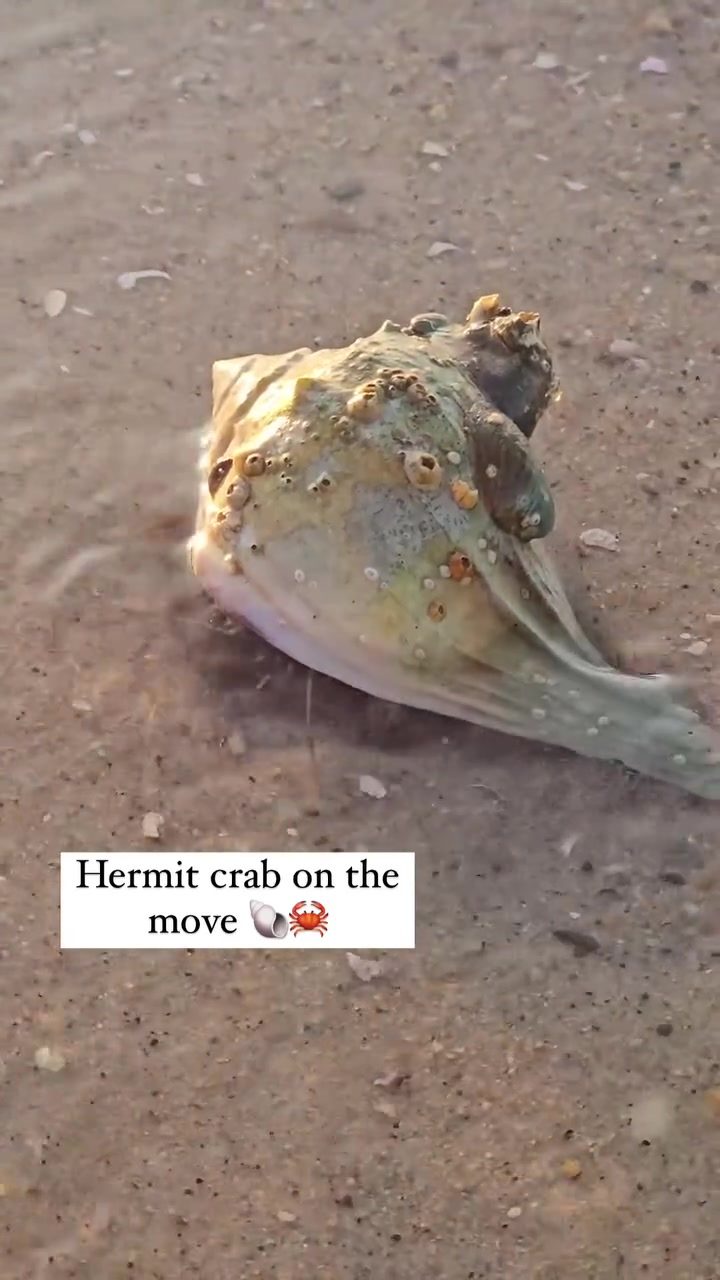
Hermit Crabs: Nature’s Adaptable, Shelled Scavengers
Hermit crabs are remarkable creatures known for their unique adaptations and ecological roles. These soft-bodied crustaceans inhabit a variety of environments, from ocean floors to terrestrial habitats. Their distinctive behavior of using empty shells for protection and their social interactions make them fascinating subjects for nature enthusiasts and scientists alike.
Context / Why This Matters
Understanding hermit crabs is crucial for several reasons. They play a pivotal role in maintaining ecosystem health, and their conservation is vital for preserving biodiversity. Additionally, their adaptability and intriguing behaviors provide valuable insights into evolutionary biology. With over 800 species identified, hermit crabs are diverse and resilient, making them an important focus for ecological studies and conservation efforts.
Understanding Hermit Crabs
Habitat and Adaptations
Hermit crabs are soft-bodied crustaceans that rely on empty shells for protection. This adaptation is essential because their soft abdomen is vulnerable to predators. The shells not only provide defense but also serve as a mobile home, allowing the crab to carry its shelter wherever it goes. These shells are typically discarded by other animals, such as sea snails, and range in size and pattern, reflecting the variety of environments where hermit crabs reside. Hermit crabs can be ocean-dwelling or land-living, but regardless of their habitat, they need access to water to survive.
Hermit crabs are known for their ability to switch shells as they grow, seeking larger and more suitable accommodations. This behavior is a testament to their adaptability and resourcefulness. The process involves finding a new, appropriately sized shell and then meticulously maneuvering into it. This can be a delicate and time-consuming process, but it ensures the crab’s safety and comfort.
Social Behavior and Communication
In addition to their adaptability, hermit crabs are social animals, often found in groups. They communicate through various methods, one of the most notable being the tapping of their shells. This behavior allows them to signal to each other, coordinate activities, and maintain social bonds. Social interactions are crucial for their survival, as they often feed on plants and small animals, and their scavenger lifestyle benefits from group foraging.
Diet and Ecosystem Role
As scavengers, hermit crabs consume a variety of organic matter, including plants and small animals. This feeding behavior helps to recycle nutrients and maintain the health of their ecosystems. By breaking down and consuming decaying matter, hermit crabs contribute to nutrient cycling and help prevent the buildup of waste.
Their role in the ecosystem is multifaceted. They serve as both predators and prey, influencing the populations of smaller organisms and providing a food source for larger animals. This makes them an integral part of the marine and terrestrial ecosystems they inhabit.
Lifespan and Conservation
Hermit crabs can live up to 20 years in captivity, although their lifespan in the wild is often shorter due to environmental pressures. Wild populations face significant threats, primarily habitat loss, pollution, and the pet trade. These factors have led to declines in some hermit crab species, making conservation efforts essential for their survival.
Conservation initiatives often focus on preserving their natural habitats, reducing pollution, and regulating the pet trade. By protecting these environments and ensuring sustainable practices, we can help maintain healthy hermit crab populations and the ecosystems they support.
Practical Tips for Observing Hermit Crabs
Observing hermit crabs in their natural habitat can be a rewarding experience. Here are some practical tips for spotting and understanding these fascinating creatures:
- Choose the Right Environment: Look for sandy beaches, rocky shores, and mangrove forests, as these are common habitats for hermit crabs.
- Timing Matters: Early morning or late afternoon may be the best times to spot hermit crabs, as they are more active during these periods.
- Pay Attention to Shells: Look for hermit crabs by spotting their distinctive shells. These can vary in size and pattern, so keep an eye out for different types.
- Respect Their Space: Observe from a distance to avoid disturbing the crabs. Hermit crabs are sensitive to disturbances, and interacting with them can disrupt their natural behaviors.
Important Takeaways
Hermit crabs are extraordinary creatures that play a crucial role in various ecosystems. Their adaptability, social behavior, and ecological importance make them a subject of great interest. Conservation efforts are essential to ensure their survival and the health of the environments they inhabit. By understanding and respecting these fascinating crustaceans, we can contribute to their preservation and the well-being of the natural world.
Conclusion
Hermit crabs are a testament to nature’s ingenuity and adaptability. Their unique behaviors, social interactions, and ecological roles make them an essential part of their environments. Whether you’re a nature enthusiast, a scientist, or simply curious about the natural world, exploring the world of hermit crabs offers a wealth of knowledge and appreciation for these remarkable creatures.
Watch the Reel
Questions readers ask
What types of habitats do hermit crabs live in?
Hermit crabs are incredibly adaptable and can be found in a wide range of habitats. These include marine environments like ocean floors, as well as terrestrial habitats such as forests and grasslands. Some species even live in brackish waters, demonstrating their ability to thrive in varied conditions.
Why do hermit crabs need empty shells?
Hermit crabs require empty shells for protection because their soft, curled bodies are vulnerable to predators and environmental hazards. These shells serve as mobile homes, providing a safe space for the hermit crab to retreat into when threatened. Shells also help maintain the crab's moisture levels, which is crucial for their survival.
What are some unique behaviors of hermit crabs?
One of the most notable behaviors of hermit crabs is their use of empty shells for protection. Additionally, they exhibit intricate social behaviors, such as communal living and complex interactions during shell exchanges. These behaviors make them a compelling subject for those interested in marine and terrestrial life.
How do hermit crabs contribute to ecosystem health?
Hermit crabs play a crucial role in maintaining ecosystem health by scavenging and recycling nutrients. As scavengers, they help clean up decaying organic matter and recycle it back into the ecosystem. This process is vital for maintaining the balance of nutrient cycles in both marine and terrestrial environments, and supports the overall health and biodiversity of ecosystems.
How do hermit crabs adapt to their environments?
Hermit crabs have several adaptations that help them thrive in various environments. Their use of shells for protection is a key adaptation. Additionally, their soft bodies allow them to squeeze into tight spaces, aiding in their survival. Some species can also breathe both on land and in water, further demonstrating their adaptability.
How many species of hermit crabs exist?
As of current research, there are over 800 identified species of hermit crabs. These species vary widely in their habitats and behaviors, contributing to the rich biodiversity of marine and terrestrial ecosystems. The sheer number of species highlights the importance of hermit crabs in understanding broader ecological and evolutionary patterns.
Related deep dives
Similar reads based on topic and creator.




Recent articles
Fresh deep dives from the latest Reels we unpacked.




Comments
Be the first to comment.