Helicopter Engine Failure
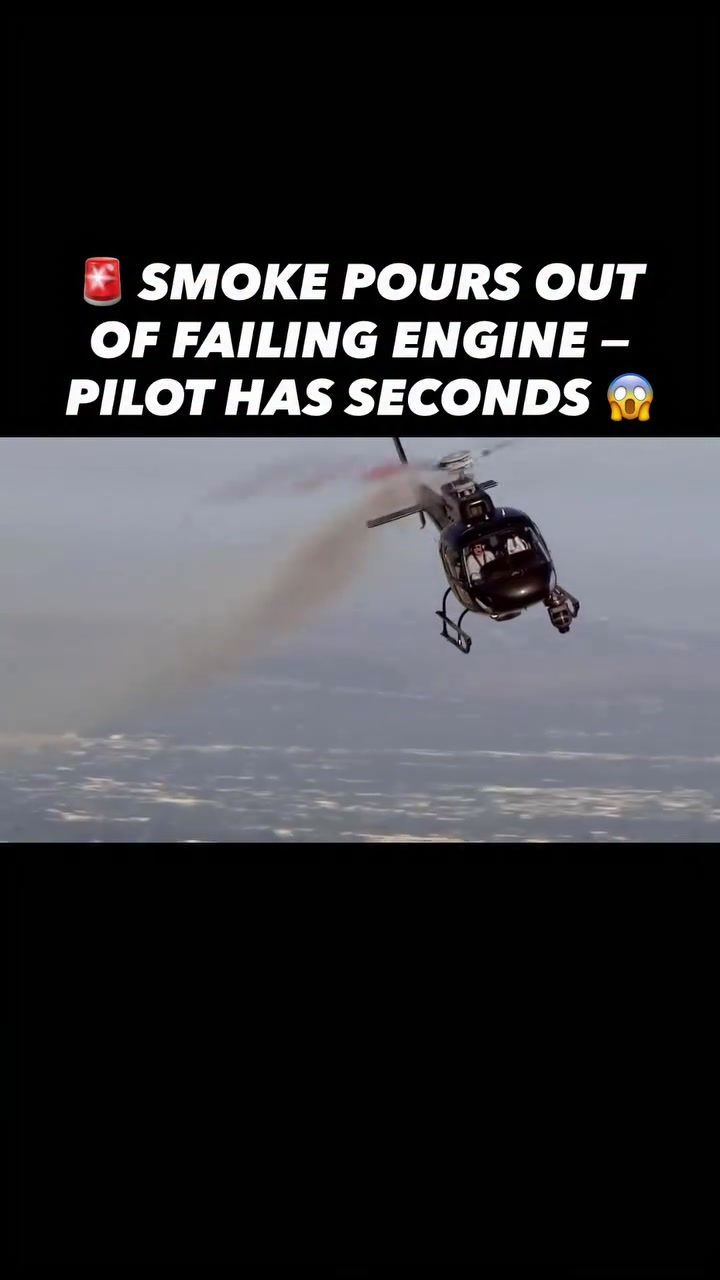
Helicopter engine failure is a critical emergency that demands immediate and decisive action. The on-screen text "SMOKE POURS OUT OF FAILING ENGINE – PILOT HAS SECS" underscores the urgency of the situation, highlighting the limited reaction time a pilot has in such scenarios.
Why This Matters
Helicopter engine failure can occur due to various reasons, including mechanical issues, fuel starvation, or external factors like bird strikes. Understanding the immediate signs and responses to such failures is vital for pilots, who must act swiftly to ensure the safety of passengers and crew.
Main Discussion
Immediate Recognition and Reaction
When an engine failure is suspected, immediate recognition and reaction are crucial. The vision and audio indicate that the pilot begins noticing symptoms like excessive smoke from the engine and struggles to maintain altitude. The pilot must quickly assess the situation and initiate emergency procedures.
Smoke and Engine Failure
Smoke pouring from the engine is a clear indicator of a problem. It can be caused by overheating, oil leaks, or fuel leaks, all of which compromise the engine's functionality. The vision shows smoke billowing out, quickly filling the engine compartment, and indicating a severe issue. This requires immediate action to prevent further damage or potential catastrophic failure.
Pilot's Role in an Emergency
The pilot's role in an emergency is to quickly diagnose the problem and make the necessary decisions. This involves communicating with the crew and passengers, ensuring everyone is prepared for an emergency landing. The audio mentions phrases like "He's talking to him right now" and "Dad, talk to me, what is this?" indicating the pilot's communication efforts during the crisis.
Communication with air traffic control is also crucial. The pilot must provide updates on the situation, request any necessary assistance, and follow emergency protocols. It is essential that the pilot remains calm and focused, providing clear and concise information to ground control and the crew.
Emergency Landing Procedures
Emergency landing procedures are vital for a safe outcome. The pilot must find a suitable landing site, which could be a clear area, a road, or even a body of water. The helicopter must be landed as gently as possible to minimize damage and injury. The pilot must also consider the wind direction and speed, terrain, and any obstacles that could affect the landing.
The audio mentions, "He's gotta be landing," indicating the pilot's focus on executing a safe landing. The pilot must ensure the helicopter is in a stable condition before initiating the landing procedure. This involves reducing the rotor speed, lowering the collective, and using the cyclic to control the helicopter's descent.
Post-landing Procedures
Once the helicopter has landed, the pilot and crew must follow post-landing procedures to ensure safety. This includes shutting down the engine, securing all systems, and conducting a safety check. The pilot must also notify emergency services and air traffic control of the situation and request any necessary support. The audio mentions, "If you guys want to come to us, we'll definitely do something on this," indicating the need for additional support and intervention after landing.
Practical Tips
Preventive Measures
Preventive measures can help reduce the risk of engine failure. Regular maintenance and inspections can identify potential issues before they become critical. Pilots should also be trained to recognize early signs of engine failure and respond promptly. Following pre-flight checklists and conducting thorough inspections can help ensure the helicopter is in optimal condition before each flight.
Emergency Training
Emergency training is essential for pilots and crew members. Regular training sessions can help them stay prepared for unexpected situations. Simulations and practice runs can improve their response time and decision-making skills in emergencies. Pilots should be familiar with emergency landing procedures and post-landing protocols to ensure a safe outcome.
Communication Protocols
Clear and effective communication protocols are vital during an emergency. Pilots must communicate clearly with the crew, passengers, and air traffic control. Regular updates and precise instructions can help manage the situation and ensure a safe landing. Pilots should also be trained to remain calm and composed, providing clear and concise information even under stress.
Important Takeaways
Helicopter engine failures can be life-threatening, requiring immediate and decisive action. Pilots must recognize the signs of engine failure, such as excessive smoke and loss of altitude. Communication with the crew, passengers, and air traffic control is crucial for a successful outcome. Emergency landing procedures and post-landing protocols must be followed to ensure safety. Preventive measures, regular maintenance, and emergency training can help reduce the risk of such incidents and improve response time.
Conclusion
Helicopter engine failure is a critical emergency that demands immediate and decisive action. Recognition of the symptoms, effective communication, and adherence to emergency procedures are vital for a safe outcome. Pilots must be well-trained and prepared to handle such situations with confidence and composure. Following preventive measures and regular maintenance can help reduce the risk of engine failure, ensuring the safety of passengers and crew. It is essential to stay calm, focused, and communicate effectively during an emergency to ensure a successful resolution.
Watch the Reel
Questions readers ask
What are the immediate steps a pilot should take when smoke appears in the cockpit?
Upon seeing smoke, the pilot should immediately secure the engine, turn it off, and activate the fire suppression system. They should also alert air traffic control and passengers, and prepare for an emergency landing, prioritizing a safe landing spot and communicating the situation to ground personnel.
What are the most common causes of smoke in a helicopter engine?
Smoke in a helicopter engine can be caused by various factors, including overheating, oil leaks, or electrical malfunctions. Other less common causes include fuel contamination, hydraulic fluid leaks, or external factors such as bird strikes.
How critical is communication during a helicopter engine failure?
Clear and concise communication is paramount during a helicopter engine failure. Pilots must promptly inform air traffic control and passengers about the situation, ensuring everyone is aware of the emergency procedures and preparing for a safe landing. Effective communication helps ground personnel to respond accordingly.
What should a pilot do if the engine failure occurs at a low altitude?
In the event of an engine failure at a low altitude, the pilot must prioritize a safe landing. If possible, land on a flat, open space nearby. Immediately go through the emergency checklist, activate the emergency landing procedures, and communicate the situation clearly to ground control.
What steps can a pilot take to prevent engine failure due to smoke?
Regular maintenance and inspections are key to preventing engine failure due to smoke. Pilots should follow a strict pre-flight checklist, ensure all systems are functioning correctly, and monitor the engine's performance during flight. Addressing any unusual signs or warnings promptly can help prevent potential failures.
What is the significance of a helicopter emergency checklist in managing smoke-related issues?
A helicopter emergency checklist provides a structured approach to managing smoke-related issues. It includes steps for turning off the engine, activating the fire suppression system, and preparing for an emergency landing. Pilots should familiarize themselves with these procedures to ensure quick and effective action during emergencies.
How can a pilot manage panic among passengers during a smoke emergency?
Maintaining calm and clear communication with passengers is essential. Pilots should reassure passengers that they are taking all necessary actions to ensure safety. They should also follow the emergency checklist and focus on landing the helicopter safely, avoiding any panic-inducing information.
Recent articles
Fresh deep dives from the latest Reels we unpacked.




Comments
Be the first to comment.