Flexible Thin-Film Solar Technology: Innovations and Installation
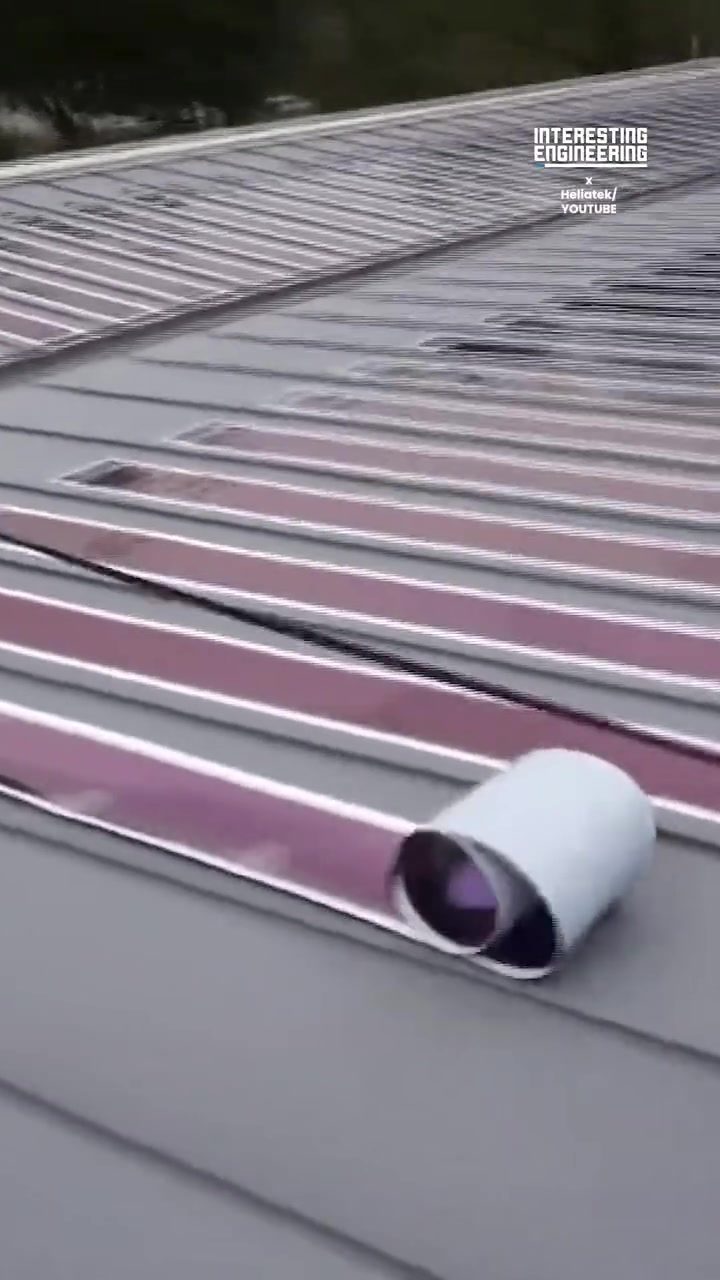
Facing the surface of a roof. On its surface, a flexible film bends and conforms to the curved surface while converting sunlight into electricity. This innovative thin-film solar technology offers a unique solution for harnessing solar energy in various settings.
Context/ Why this matters
The installation of solar panels has traditionally been limited to flat surfaces, but advancements in thin-film solar technology have opened up new possibilities. This technology can be installed on curved or uneven surfaces, making it ideal for a wide range of applications. Thin-film solar panels can be integrated into roofing materials, building facades, and even portable devices, making solar energy more accessible and versatile.
Main Discussion
Thin-Film Solar Technology Explained
What makes thin-film solar technology particularly exciting is its ability to bend and conform to various surfaces. Unlike traditional solar panels, which are rigid and bulky, thin-film solar cells are lightweight and flexible. They are made from layers of semiconductor materials that can be deposited onto flexible substrates, such as plastic or metal foils.
Flexible Solar Film Applications
The applications for this technology are numerous. For starters, thin-film solar panels can be directly integrated into building materials, such as roofing shingles or facade panels. This integration not only saves space but also enhances the aesthetic appeal of buildings. Additionally, these panels can be used in portable devices, providing a sustainable power source for camping gear, emergency supplies, and even wearable technology.
Installation and Efficiency
While thin-film solar panels offer a high degree of flexibility, they also require precise installation to ensure optimal performance. The panels need to be securely attached to the surface to withstand environmental conditions, such as wind, rain, and temperature changes. Proper installation ensures that the panels remain efficient and durable over time.
Roofing Systems and Beyond
One of the key areas where thin-film solar technology is making a significant impact is in roofing systems. Companies like Hellatek are at the forefront of developing automated roofing systems that integrate thin-film solar panels. These systems use robotic arms to precisely place and seal the panels, ensuring consistent panel placement and reducing labor costs.
Practical Tips
Choosing the Right Surface
When considering the installation of thin-film solar panels, it's crucial to choose the right surface. The surface should be clean, dry, and free of debris to ensure optimal adhesion and performance. Additionally, the surface should be structurally sound to support the weight of the panels and withstand environmental conditions.
Professional Installation
While some DIY enthusiasts may be tempted to install thin-film solar panels themselves, professional installation is highly recommended. Proper installation requires specialized knowledge and tools to ensure that the panels are securely attached and properly wired. Professional installers can also assess the structural integrity of the surface and make any necessary repairs before installation.
Maintenance and Upkeep
Regular maintenance is essential to keep thin-film solar panels operating at peak efficiency. This includes periodic cleaning to remove dust, dirt, and debris, as well as inspections to check for any signs of damage or wear. Proper maintenance can extend the lifespan of the panels and ensure they continue to provide reliable power.
Important Takeaways
When thinking about where to install this technology, consider the following points:
- Different surfaces will need different installation techniques, so it's crucial to work with a professional installer who has experience with various materials and structures.
- The flexibility of thin-film solar panels makes them suitable for a wide range of applications, from building integrations to portable devices.
- Regular maintenance is key to ensuring the longevity and efficiency of thin-film solar panels.
Conclusion
Flexible thin-film solar technology represents a significant advancement in the field of renewable energy. Its ability to bend and conform to various surfaces opens up new possibilities for solar energy integration in buildings, vehicles, and portable devices. As the technology continues to evolve, it is expected to become even more efficient and cost-effective, making solar energy more accessible to a wider range of users.
Watch the Reel
Questions readers ask
What makes Heliatek's thin-film solar technology unique?
Heliatek's thin-film solar technology stands out due to its flexibility. Unlike traditional solar panels, Heliatek's panels can bend and conform to curved or uneven surfaces, making them suitable for a variety of applications beyond standard flat roofs. This adaptability allows for integration into building facades, portable devices, and other non-traditional surfaces, expanding the possibilities for solar energy generation.
How does Heliatek's technology address the challenges of solar installation on curved surfaces?
Heliatek's automated roofing solutions employ thin-film solar technology that can bend and conform to curved surfaces. This eliminates the need for complex installations typically required for flat solar panels. With this technology, solar panels can be installed seamlessly on curved or uneven surfaces, reducing labor and installation costs.
Can Heliatek's thin-film solar panels be integrated into building facades?
Absolutely, Heliatek's thin-film solar panels are designed for building integrated photovoltaics. These panels can be incorporated into building facades, transforming them into functional energy sources. This not only generates solar energy but also adds an aesthetic appeal to modern and functional architecture.
What are the benefits of using Heliatek's thin-film solar technology for portable devices?
Heliatek's thin-film solar technology is highly versatile. It can be used in portable devices, providing a compact and efficient power source. This makes it ideal for applications like camping, outdoor events, or emergency power supplies, where traditional solar panels might be impractical.
How does Heliatek's automated solar installation process work?
Heliatek's automated solar installation process leverages advanced robotics and solar engineering innovations to streamline the installation of thin-film solar panels. The process involves precise application of the flexible film directly onto the surface, minimizing human error and ensuring optimal performance of the solar system. This automation also reduces the time and effort required for installation, making it more efficient and cost-effective.
What are the advantages of using Heliatek's solar technology for uneven surfaces?
Heliatek's thin-film solar technology is particularly advantageous for uneven surfaces. Traditional solar panels require flat surfaces for optimal performance, but Heliatek’s technology can be installed on any surface, regardless of its shape or contour. This adaptability makes it an ideal solution for complex roofing structures, ensuring that solar energy generation is not limited by the surface's geometry.
How does Heliatek's solar technology contribute to solar panel logistics?
Heliatek's thin-film solar technology simplifies solar panel logistics by reducing the complexity of installation. Because the panels are flexible and lightweight, they are easier to transport and install, especially in hard-to-reach or irregularly shaped areas. This reduces the logistical challenges associated with traditional solar panel installations, making the process more straightforward and efficient.
Related deep dives
Similar reads based on topic and creator.


Recent articles
Fresh deep dives from the latest Reels we unpacked.




Comments
Be the first to comment.