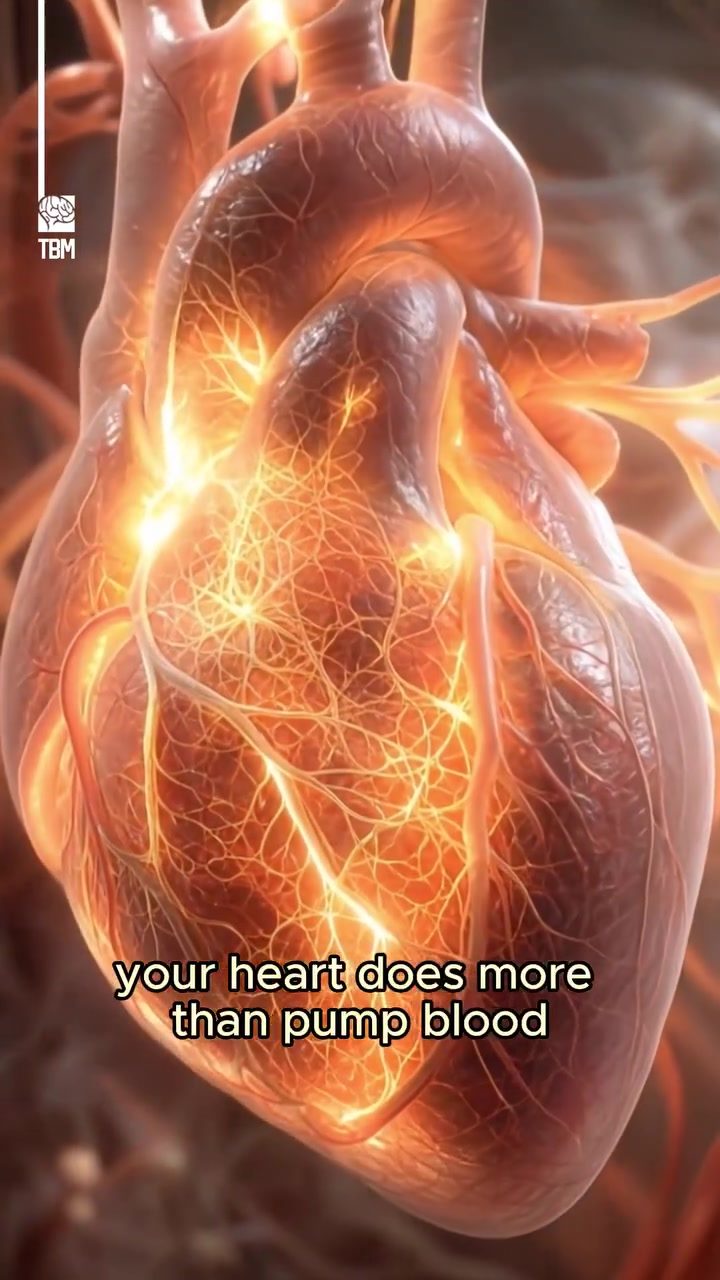
The Intricate Network Inside Your Heart
The heart, often perceived as a merely pumping mechanism for blood, is indeed far more complex. It houses a network of specialized nerve cells, sometimes referred to as the heart's "mini-brain." This neural network, comprised of about 40,000 nerve cells, serves crucial functions beyond simple blood circulation.
Why This Matters
Understanding the heart's extensive capabilities is essential for grasping how the body maintains equilibrium and responds to various stimuli. The heart's neural network and electrical system play pivotal roles in regulating bodily functions, influencing stress, and even affecting emotional states. By delving into these intricate processes, we can gain a deeper appreciation for the heart's role in overall health and well-being.
The Heart's Neural Network
Sensory and Regulatory Functions
The heart's neural network is integral to its regulatory functions. This network allows the heart to sense information and respond to changes in the body swiftly. Whether it's stress, movement, breathing, or fluctuations in blood pressure, the heart can adjust its rhythm and performance accordingly. This ability to sense and respond ensures that the body remains balanced, even in dynamic situations.
Communication with the Brain
The heart's neural network doesn't operate in isolation; it communicates extensively with the brain. This two-way communication is facilitated through the nervous system. The heart sends signals to the brain, influencing not only physical responses but also emotional states and stress levels. This constant exchange of information ensures that the body's systems work in harmony.
The Heart's Electrical System
Electrical Signals and Heartbeat Efficiency
The heart's electrical system is another critical component of its functionality. This system generates electrical signals that dictate when the heart should contract and relax. These signals ensure that each heartbeat is organized and efficient, maintaining the heart's rhythm and effectiveness in pumping blood.
Independent Functioning
One of the most remarkable aspects of the heart's electrical system is its ability to function independently of direct commands from the brain. This built-in control system allows the heart to keep beating even if the brain's signals are disrupted. This autonomy is crucial for the survival and proper functioning of the heart and the body as a whole.
The Role of the Nervous System
The heart and brain work closely together through the nervous system. This collaboration ensures that the heart can respond to the body's needs effectively. While the heart can function independently, the interplay between the heart and brain through the nervous system is essential for the body's overall health and equilibrium.
Practical Tips for Heart Health
Exercise Regularly
Regular physical activity helps strengthen the heart muscle and improves its efficiency. Even moderate exercise can have significant benefits for heart health, reducing the risk of heart disease and other cardiovascular issues. Aim for at least 30 minutes of moderate exercise most days of the week.
Maintain a Healthy Diet
A balanced diet rich in fruits, vegetables, whole grains, and lean proteins is essential for heart health. Limit your intake of processed foods, sugars, and unhealthy fats. Incorporating heart-healthy foods like oily fish, nuts, and seeds can also enhance heart function.
Manage Stress Levels
Chronic stress can negatively impact heart health. Incorporating stress-reduction techniques such as meditation, yoga, or deep breathing exercises can help manage stress levels and support overall heart health. Engaging in hobbies, spending time in nature, and maintaining strong social connections can also contribute to a healthier mind and heart.
Regular Check-ups
Regular medical check-ups are crucial for monitoring heart health. Early detection of potential issues can prevent more serious problems down the line. Regular blood pressure and cholesterol checks, along with other heart health screenings, are essential for maintaining good heart health.
Important Takeaways
- The heart contains a complex neural network of about 40,000 specialized nerve cells, often called the "mini-brain."
- This network helps the heart sense information, regulate its rhythm, and communicate with the brain.
- The heart's electrical system generates signals that control the heartbeat, ensuring its efficiency and organization.
- The heart can function independently of direct brain commands due to its built-in control system.
- The heart and brain work together through the nervous system, influencing stress, emotions, and body regulation.
Conclusion
The heart is a sophisticated organ capable of far more than simply pumping blood. Its neural network and electrical system work in tandem to maintain bodily equilibrium, respond to various stimuli, and communicate with the brain. By understanding these intricate processes, we can better appreciate the heart's role in overall health and well-being. Regular exercise, a balanced diet, stress management, and regular check-ups are practical steps to support heart health and ensure that this vital organ continues to function optimally.
Watch the Reel
Questions readers ask
What is the heart's 'mini-brain' and why is it significant?
The heart's 'mini-brain' refers to a network of about 40,000 specialized nerve cells within the heart. Its significance lies in its role beyond pumping blood, as it helps regulate bodily functions and influences how the body responds to stress and emotional states.
How does the heart communicate with the brain?
The heart communicates with the brain through a complex network of neural pathways and electrical signals. This intricate communication helps maintain bodily balance and influences a wide range of physiological and emotional processes.
What role does the heart play in regulating stress and emotional states?
The heart's neural network and electrical system are involved in regulating the body's responses to stress. Additionally, the heart sends signals to the brain that can influence emotional states, highlighting the heart's role in both physical and emotional health.
Does the heart have a role in blood pressure regulation?
Yes, the heart's electrical system and neural network play a critical role in regulating blood pressure. These systems help the heart respond to changes in blood pressure, ensuring that the body maintains optimal conditions for overall health.
How does the heart influence overall bodily balance and health?
The heart's complex neural network and electrical system help regulate various bodily functions, including responses to stress, movement, and blood pressure changes. This regulation is crucial for maintaining overall bodily balance and supporting general health.
Can the heart send direct commands to other parts of the body?
While the brain is typically seen as the command center, the heart does send signals to the brain and other parts of the body. These signals can influence physiological responses, emotional states, and overall bodily functions, demonstrating the heart's role beyond just pumping blood.
Related deep dives
Similar reads based on topic and creator.




Recent articles
Fresh deep dives from the latest Reels we unpacked.




Comments
Be the first to comment.