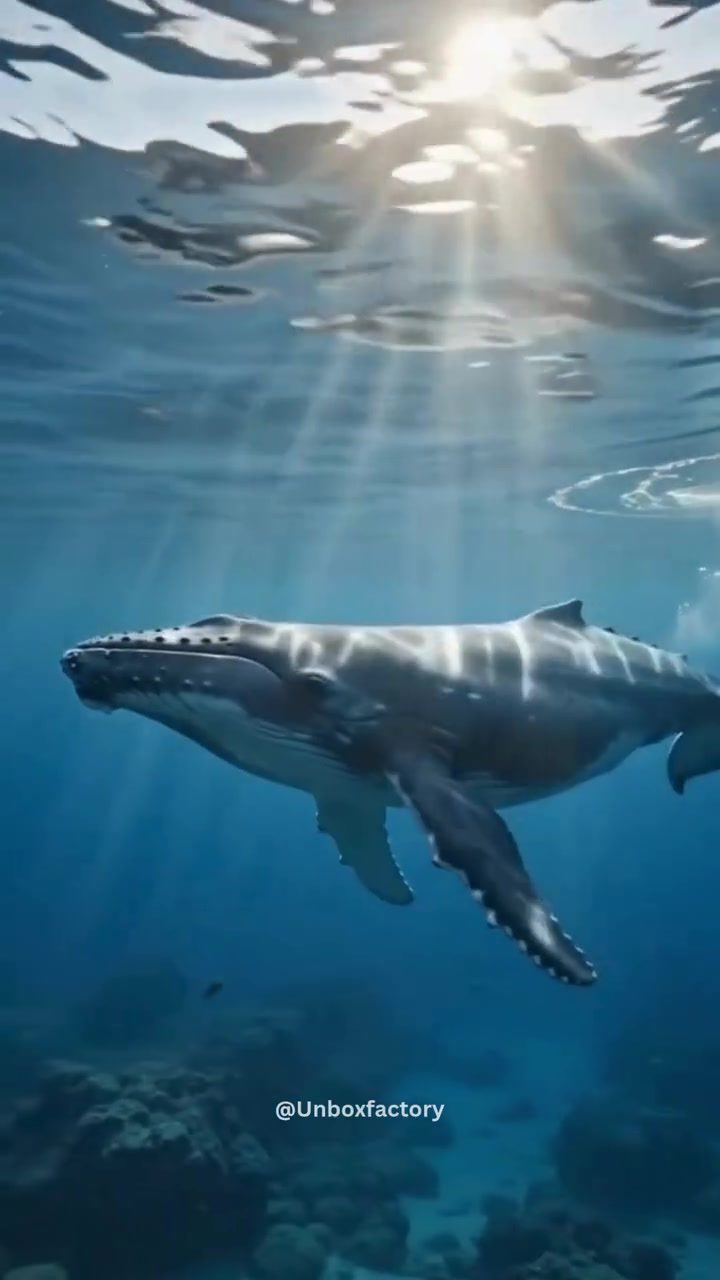
Ocean Pollution and Whales
The tragic death of a pregnant sperm whale near Porto Cervo, Sardinia, Italy, in March 2019 highlights a grim reality: the ocean's plastic pollution problem. Nearly 50 pounds (48.5 lbs) of plastic was found in the whale's stomach, a stark reminder of the environmental crisis unfolding beneath the waves.
Why This Matters
Plastic pollution in the ocean is a global issue with devastating consequences for marine life. The sperm whale incident underscores the severity of the problem, particularly in the Mediterranean. The whale's stomach contained an alarming array of plastic items, including garbage bags, fishing nets, plastic plates, and even a detergent package with a legible barcode. The situation is not unique; similar cases have been documented worldwide, including a whale in the Philippines found with 88 pounds of plastic just weeks earlier.
The Scale of the Problem
The scale of plastic pollution in the oceans is staggering. Estimates suggest that more than 8 million tons of plastic enter the oceans each year, with much of it breaking down into microplastics. These tiny particles can be ingested by marine life, leading to malnutrition, injury, and death. The sperm whale's case is a grim illustration of this phenomenon; her unborn calf died likely due to malnutrition caused by plastic filling the mother's stomach.
The Mediterranean Crisis
The Mediterranean Sea is particularly vulnerable to plastic pollution due to its enclosed nature and the high volume of plastic waste from coastal countries. Studies have shown that plastic waste in the Mediterranean is increasing at an alarming rate. The World Wildlife Fund (WWF) has called the whale's death a stark illustration of this issue, highlighting the urgent need for action.
Global Context
The Mediterranean is not alone in its struggle. Plastic pollution is a global crisis, affecting every ocean and sea. Major sources of plastic waste include single-use plastics, fishing gear, and manufacturing waste. The Great Pacific Garbage Patch, a vast collection of plastic debris, and other similar formations in the Atlantic and Indian Oceans are grim reminders of this issue’s scope.
How Plastic Pollution Affects Whales
Whales, as apex predators, play a crucial role in marine ecosystems. They help regulate populations of smaller species and contribute to nutrient cycling. However, plastic pollution threatens their survival in multiple ways.
Entanglement and Ingestion
Entanglement in fishing nets and other plastic waste can cause severe injuries and death. Whales often mistake plastic bags and other debris for food, leading to ingestion. Once ingested, plastic can block digestive tracts, causing starvation and internal injuries.
Reproductive Impact
The case of the pregnant sperm whale highlights the reproductive consequences of plastic pollution. The presence of plastic in the whale's stomach likely contributed to the death of her unborn calf. This underscores the potential for long-term impacts on marine populations.
Practical Tips for Reducing Plastic Pollution
Reducing plastic pollution requires collective action. Here are some practical steps individuals and communities can take:
Reduce Plastic Use
Minimize the use of single-use plastics such as bags, bottles, and utensils. Opt for reusable alternatives like cloth bags, metal straws, and water bottles.
Proper Disposal
Ensure that all plastic waste is properly disposed of in designated bins. Avoid littering and participate in local cleanup efforts.
Support Policy Changes
Advocate for policies that reduce plastic production and improve waste management. Support initiatives that promote a circular economy, where plastic is reused and recycled.
Consumer Choices
Choose products with minimal plastic packaging. Support brands that prioritize sustainability and environmental responsibility.
Important Takeaways
The grim reality of ocean plastic pollution is evident in the tragic death of the pregnant sperm whale. It serves as a stark reminder of the urgent need for action.
The Mediterranean Crisis
The Mediterranean Sea is a hotspot for plastic pollution, with severe impacts on marine life. Efforts to reduce plastic waste in the region are crucial for protecting its unique ecosystems.
Global Implications
Plastic pollution is a global issue, affecting every ocean. Reducing plastic use, improving waste management, and supporting sustainable practices are essential for mitigating its impact.
Conclusion
The tragic story of the pregnant sperm whale highlights the devastating effects of ocean plastic pollution. From the Mediterranean to the Great Pacific Garbage Patch, the crisis is global and immediate. By taking proactive steps to reduce plastic waste and support sustainable practices, we can protect marine life and preserve our oceans for future generations.
Watch the Reel
Questions readers ask
What types of plastic items are commonly found in whales' stomachs?
Plastic items found in whales' stomachs vary widely, including plastic bags, fishing nets, plastic plates, and even small packages like detergent containers. These items pose significant health risks to whales, as they can cause internal injuries, blockages, and nutritional deficiencies. The presence of such items in a whale's stomach is a stark indicator of the extent of plastic pollution in the ocean.
How does plastic pollution specifically affect pregnant whales?
Pregnant whales face heightened risks from plastic ingestion. The ingestion of large amounts of plastic can lead to malnutrition, which may be harmful to the mother and her unborn calf. Additionally, the physical presence of plastic can cause blockages and other internal injuries, further endangering the health of the mother and potentially compromising the pregnancy.
What was the significance of the sperm whale death in Sardinia?
The death of the pregnant sperm whale in Sardinia was tragic, but it also served as a poignant reminder of the severe impact of plastic pollution on marine life. The discovery of nearly 50 pounds of plastic in the whale’s stomach highlighted the urgent need for global action to reduce plastic waste and protect marine wildlife. This incident also sparked conversations about the broader implications of plastic pollution in our oceans.
What are the broader implications of plastic pollution on marine life beyond whales?
Plastic pollution affects a wide range of marine life, from the smallest organisms to the largest creatures. Sea turtles, seabirds, and fish often mistake plastic for food, leading to similar health issues as those faced by whales. The ingestion of plastic can cause injuries, blockages, and poisoning, ultimately harming marine ecosystems and disrupting food chains. It is a stark reminder of the far-reaching consequences of human waste in the oceans.
What can individuals do to help reduce plastic pollution in the oceans?
Individuals can make a significant difference by reducing their use of single-use plastics, such as bags, bottles, and straws. Properly disposing of trash and participating in beach cleanups can also help. Supporting policies and initiatives aimed at reducing plastic waste and promoting recycling can further contribute to the effort to protect marine life from the devastating effects of plastic pollution.
What are the most common sources of plastic pollution in the oceans?
The most common sources of plastic pollution in the oceans include land-based activities, such as improper waste disposal and littering, as well as marine activities like fishing. Fishing nets and gear, often abandoned or lost at sea, are particularly problematic as they can entangle and harm marine life. Additionally, plastic debris from coastal areas can be carried into the ocean by wind, rain, and rivers, contributing to the growing problem.
How do scientists track the impact of plastic pollution on whales and other marine life?
Scientists track the impact of plastic pollution on whales and other marine life through various methods, including autopsies of deceased animals, stomach content analysis, and monitoring of living marine organisms for signs of plastic ingestion. By studying the types and amounts of plastic found in marine life, researchers can gain insights into the sources and extent of pollution. This data is crucial for developing strategies to mitigate the impact of plastic pollution on marine ecosystems.
Related deep dives
Similar reads based on topic and creator.



Recent articles
Fresh deep dives from the latest Reels we unpacked.




Comments
Be the first to comment.