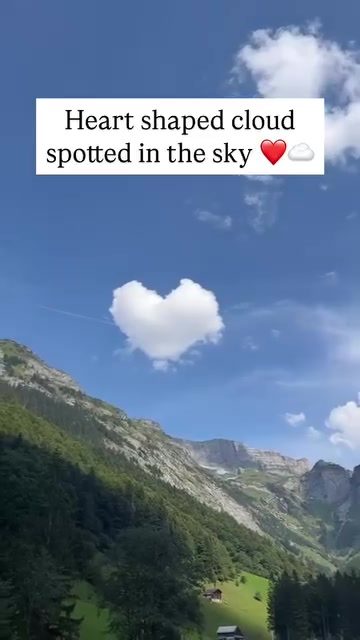
Heart-Shaped Clouds: Nature's Romantic Catch
From time to time, nature puts on a show that leaves us in awe. One such spectacle is the appearance of a heart-shaped cloud in the sky. These unique cloud formations are more than just a visual treat; they are a reminder of the beauty and wonder that surrounds us.
Why Heart-Shaped Clouds Matter
Heart-shaped clouds are not just a pretty sight; they hold a special place in our collective consciousness. These formations often evoke feelings of romance, wonder, and even a sense of destiny. They remind us to pause and appreciate the beauty in our surroundings, making them a fascinating subject for nature enthusiasts and photographers alike.
The sight of a heart-shaped cloud can also be a source of inspiration for artists, writers, and dreamers. It is a moment of pure magic, a perfect blend of nature and our own emotions.
What are Heart-Shaped Clouds?
Heart-shaped clouds are a rare and captivating phenomenon. These clouds form when atmospheric conditions align in a way that creates the distinctive shape. While they are beautiful, their appearance is more of a coincidence than a regular occurrence. The heart shape is often a result of the interaction between different types of clouds and wind patterns.
How Do They Form?
The formation of a heart-shaped cloud involves several factors:
- Atmospheric Conditions: The presence of specific weather conditions, such as humidity, temperature, and wind, play a crucial role in the formation of any cloud, including heart-shaped ones.
- Wind Patterns: Gentle winds and air currents are essential for shaping the cloud into a heart. These winds can push and pull the cloud into a recognizable shape.
- Moisture Content: The amount of moisture in the air is another key factor. Too much or too little moisture can either disperse the cloud or prevent it from forming.
- Altitude and Temperature: The altitude at which the cloud forms and the temperature at that altitude can also affect its shape and longevity.
Types of Clouds Involved
Heart-shaped clouds can form from various types of clouds, but the most common types are:
- Cumulus Clouds: These are the puffy, cotton-like clouds that are often seen on fair-weather days. They can sometimes merge to form a heart shape.
- Stratocumulus Clouds: These are low-lying clouds that can spread out in a variety of shapes, including hearts.
- Altocumulus Clouds: These are mid-level clouds that can sometimes form intriguing shapes, including hearts, as they interact with other weather patterns.
Where to Spot Heart-Shaped Clouds
Heart-shaped clouds can appear anywhere in the world, but certain conditions make them more likely to form. Here are some tips on where and when to spot them:
Ideal Locations
- Mountainous Regions: High altitudes and varying wind patterns in mountainous areas can create the perfect conditions for heart-shaped clouds. The contrast of the rugged terrain against a soft, cloudy sky adds to the romantic and dramatic effect.
- Coastal Areas: The interaction between land and sea breezes can create unique cloud formations, including hearts. The sharp contrast between the sky and the water adds to the beauty of the sight.
Best Times to Look
Heart-shaped clouds can appear at any time, but they are often more likely to form during:
- Spring: The change in weather patterns and the presence of warm, moist air can create the perfect conditions for unique cloud formations.
- Late Afternoon: As the day heats up, the air becomes more unstable, increasing the likelihood of interesting cloud formations.
Practical Tips for Spotting Heart-Shaped Clouds
If you’re eager to spot a heart-shaped cloud, here are some practical tips to help you:
Choose the Right Weather
- Check the Forecast: Look for days with a mix of sunny and cloudy weather. Clear blue skies or overcast days are less likely to produce unique cloud formations.
- Watch for Wind Patterns: Gentle breezes are ideal for shaping clouds into hearts. Strong winds can scatter the clouds too quickly for a heart shape to form.
Find the Perfect Viewing Spot
- High Ground: Mountains, hills, and tall buildings offer a better vantage point for spotting unique cloud formations.
- Open Spaces: Fields, beaches, and other open areas provide an unobstructed view of the sky.
Use the Right Tools
- Binoculars: These can help you spot heart-shaped clouds from a distance.
- Camera with a Zoom Lens: A good camera can capture the beauty of a heart-shaped cloud and allow you to share your discovery with others.
Important Takeaways
Heart-shaped clouds are a rare and beautiful phenomenon that remind us of the magic and wonder in the world. To increase your chances of spotting one, choose the right weather, find the perfect viewing spot, and use the right tools.
Conclusion
The next time you look up at the sky, take a moment to appreciate the beauty around you. You might just catch a glimpse of a heart-shaped cloud, a reminder of the enchantment that nature has to offer. Whether you're a nature enthusiast, a photographer, or just someone who loves a good surprise, spotting a heart-shaped cloud is an experience you won't soon forget.
Watch the Reel
Questions readers ask
What causes heart-shaped clouds to form?
Heart-shaped clouds form due to specific atmospheric conditions and wind patterns. When winds move in a circular or turbulent manner, they can sculpt clouds into unique and captivating shapes, such as hearts. This interplay between atmospheric conditions and wind creates the perfect recipe for these romantic sky marvels.
Where are the best places to see heart-shaped clouds?
Heart-shaped clouds can appear anywhere, but they are often spotted in areas with varied topography, such as mountain valleys or near large bodies of water. These locations can influence wind patterns and atmospheric conditions, making them ideal for witnessing these scenic sky marvels. Some popular spots include national parks, coastal regions, and other scenic areas.
Can heart-shaped clouds be predicted?
Unfortunately, predicting the exact formation of heart-shaped clouds is challenging due to the unpredictable nature of weather patterns. While meteorologists can forecast general cloud formations, the specific conditions required for a heart-shaped cloud are often too localized and transient to be predicted with certainty. Keep an eye on the sky, especially on partially cloudy days.
What is the significance of heart-shaped clouds in culture?
Heart-shaped clouds hold a special place in many cultures, often symbolizing romance, love, and good fortune. They have been featured in art, literature, and photography, inspiring countless creators. These clouds serve as a reminder to appreciate the beauty and wonder that surrounds us, making them a beloved subject for nature enthusiasts and dreamers alike.
How can I capture a heart-shaped cloud on camera?
Capturing a heart-shaped cloud on camera requires a bit of luck and quick reflexes. Keep your camera or smartphone ready, especially when you're in scenic areas with varied topography. Use a clear, high resolution and stable camera for the best results. If you spot a heart-shaped cloud, act quickly to snap a photo before the cloud changes shape or disappears.
Related deep dives
Similar reads based on topic and creator.




Recent articles
Fresh deep dives from the latest Reels we unpacked.




Comments
Be the first to comment.