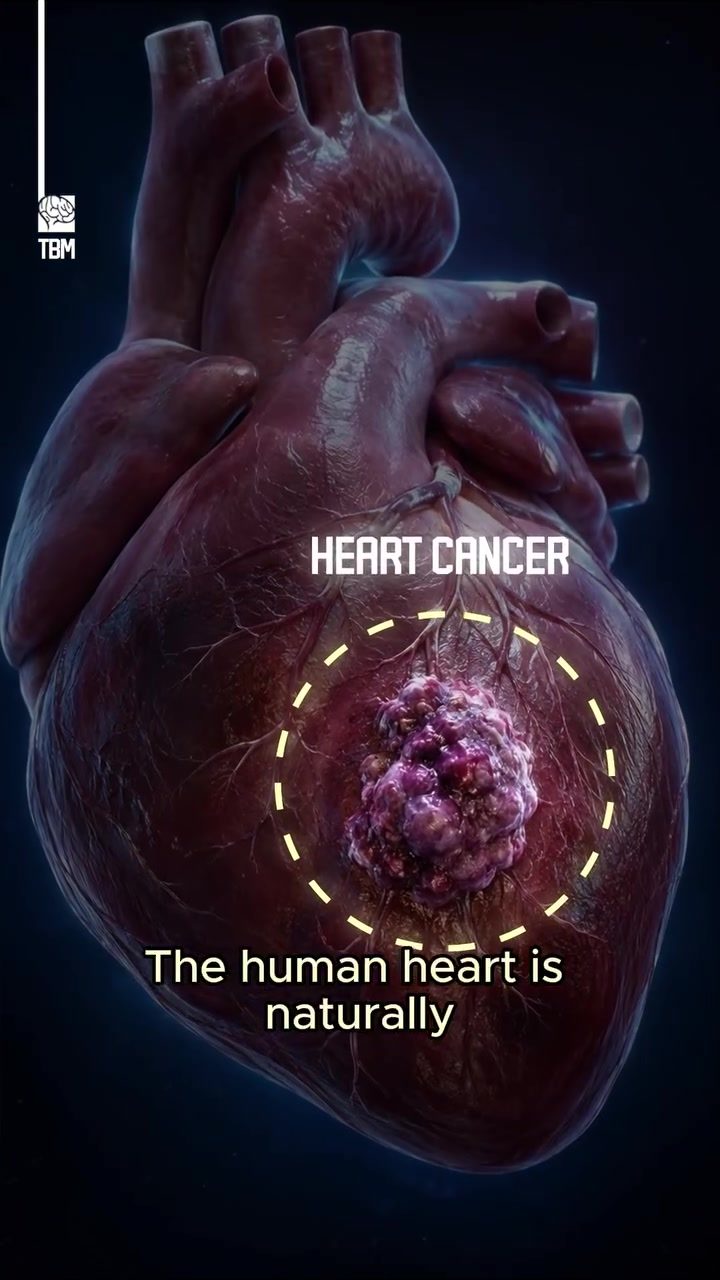
Can the Heart Get Cancer?
The human heart is one of the most cancer-resistant organs in the body. However, heart cancer, though rare, does exist. The rarity of heart cancer can be attributed to the unique characteristics of the heart's muscle cells, called cardiomyocytes.
Why Heart Cancer is Rare
The primary reason the heart is resistant to cancer is that cardiomyocytes stop dividing shortly after birth. This means they do not replicate or grow uncontrollably, which is a key characteristic of cancerous cells. Cancer typically develops when cells begin to multiply rapidly and uncontrollably, invading nearby tissues and potentially spreading to distant parts of the body. The heart's cells, on the other hand, remain largely unchanged throughout life, making them less susceptible to becoming cancerous.
The Natural Resistance of the Heart
This natural resistance makes the heart one of the most robust organs in the body. Unlike other organs where cells are actively dividing and renewing, the heart's cells are more stable. This stability is a significant factor in the heart's resistance to primary tumors, which are cancers that originate within the organ itself.
Primary Heart Tumors
Despite its natural resistance, the heart is not completely immune to cancer. In rare cases, primary heart tumors can develop. These tumors, though uncommon, can still occur within the heart tissue.
Metastasis and Secondary Tumors
Another way cancer can affect the heart is through metastasis, where cancer cells from other parts of the body spread to the heart. This is more common than primary heart tumors and can complicate treatment and prognosis.
Understanding Tumors in the Heart
Tumors in the heart can be either benign or malignant. Benign tumors are non-cancerous and do not spread to other parts of the body. They can still cause problems by compressing nearby structures or disrupting the heart's function. Malignant tumors, on the other hand, are cancerous and can spread to other parts of the body, posing a significant health risk.
Types of Heart Tumors
Heart tumors can be classified into several types, including:
- Myxomas: These are the most common type of benign tumors in the heart. They often form in the atria and can cause obstruction to blood flow, leading to symptoms such as shortness of breath, fatigue, and chest pain.
- Lipomas: These are benign tumors made up of fatty tissue. They are usually small and do not cause significant symptoms.
- Rhabdomyomas: These are benign tumors that can occur in children and are often related to genetic conditions such as tuberous sclerosis.
- Angiosarcomas: These are rare but aggressive malignant tumors that can grow rapidly and spread to other parts of the body.
- Other tumors
- Cardiac fibroma
- Cardiac hemangioma
- Cardiac Liposarcoma
Symptoms and Diagnosis
Symptoms of heart tumors can vary widely depending on the type, size, and location of the tumor. Some common symptoms include:
- Shortness of breath
- Chest pain
- Fatigue
- Palpitations
- Swelling in the legs or abdomen
Diagnosing heart tumors often involves a combination of imaging tests, including echocardiograms, CT scans, and MRIs. These tests help doctors visualize the heart and identify any abnormal growths.
Treatment Options
The treatment for heart tumors depends on various factors, including the type and size of the tumor, the patient's overall health, and the presence of any symptoms. Treatment options may include:
- Surgery: Surgical removal of the tumor is often the preferred treatment for both benign and malignant tumors. The goal is to completely remove the tumor while preserving as much of the heart's function as possible.
- Radiation therapy: This may be used to shrink or destroy cancerous tumors, particularly in cases where surgery is not an option.
- Chemotherapy: This involves the use of drugs to kill cancer cells. It may be used in combination with surgery or radiation therapy to treat malignant tumors.
- Medication: In some cases, medication may be used to manage symptoms and improve quality of life, especially for patients with benign tumors that do not require surgical removal.
Practical Tips for Heart Health
While the risk of heart cancer is low, maintaining overall heart health is crucial. Here are some practical tips for keeping your heart in top condition:
Regular Check-Ups
Regular medical check-ups can help detect any abnormalities early. This includes routine physical exams, blood tests, and imaging studies.
Healthy Lifestyle
Adopting a healthy lifestyle can significantly reduce the risk of heart disease and other health issues. This includes:
- Balanced Diet: Consuming a diet rich in fruits, vegetables, whole grains, and lean proteins can support heart health.
- Regular Exercise: Aim for at least 150 minutes of moderate-intensity or 75 minutes of vigorous-intensity aerobic activity per week, along with strength training exercises at least two days a week.
- Avoid Smoking: Smoking is a major risk factor for heart disease and many other health issues. Quitting smoking can improve heart health and reduce the risk of various diseases.
- Stress Management: Chronic stress can negatively impact heart health. Practicing stress-reducing activities such as meditation, yoga, or deep breathing exercises can help manage stress levels.
Limit Alcohol and Avoid Excessive Drinking
Excessive alcohol consumption can increase the risk of heart disease and other health problems. Limit alcohol intake to moderate levels or avoid it altogether.
Treatment of Chronic Conditions
Managing chronic conditions such as high blood pressure, high cholesterol, and diabetes can help maintain heart health. Follow your doctor's recommendations for medication and lifestyle changes to control these conditions effectively.
Important Takeaways
While the heart is naturally resistant to cancer, it is not immune. Understanding the factors that contribute to the heart's resistance, as well as the types and treatments of heart tumors, can help you stay informed and proactive about your heart health. Regular check-ups, a healthy lifestyle, and proper management of chronic conditions are key to maintaining a healthy heart.
Conclusion
The heart's unique cellular structure makes it one of the most cancer-resistant organs in the body. While primary heart tumors are rare, the heart can still be affected by cancer through metastasis. Staying informed about heart health, adopting a healthy lifestyle, and seeking regular medical care can help ensure that your heart remains strong and resilient.
Watch the Reel
Questions readers ask
Why is the heart so resistant to cancer in comparison to other organs?
The heart's resistance to cancer is primarily due to the unique nature of its muscle cells, or cardiomyocytes. Unlike many other cells in the body, cardiomyocytes stop dividing shortly after birth and do not replicate. This lack of cell division makes it difficult for cancerous growth to take hold, as cancer typically requires rapid and uncontrolled cell proliferation. Additionally, the heart's robust cellular structure has been shown to have natural defenses against cancerous mutations. This makes the heart an organ that is naturally resilient to cancer.
What are cardiomyocytes and how do they contribute to the heart's cancer resistance?
Cardiomyocytes are the muscle cells that make up the heart, responsible for its contraction and pumping action. Cardiomyocytes have a unique structure and function that contributes to their resistance to cancer. They stop dividing shortly after birth and remain largely unchanged throughout life, which minimizes the risk of uncontrolled cell growth and proliferation. Cardiomyocytes also have other structural features that make them less susceptible to cancer, including a robust cellular structure that can withstand various stress and damage.
Can the heart develop cancer, and, if so, what kind of cancer?
While the heart is resistant to cancer, it is not entirely immune. Cancer in the heart can occur, typically in the form of primary heart tumors, which are rare. These tumors can be benign or malignant. Benign tumors are non-cancerous and do not spread to other parts of the body, while malignant tumors are cancerous and can invade nearby tissues and spread.
Why are primary heart tumors so rare?
Primary heart tumors are rare due to the unique characteristics of the heart's muscle cells, which stop dividing shortly after birth. The heart's resistance to cancer is a key factor in the rarity of primary heart tumors. This lack of cell division makes it difficult for cancerous growth to take hold, as cancer typically requires rapid and uncontrolled cell proliferation. Additionally, the heart's cells have other structural features that make them less susceptible to cancer, including a robust cellular structure that can withstand various stress and damage, making the heart an organ that is naturally resilient to cancer.
Are there any specific factors that contribute to the heart's immunity to cancer?
The heart's immunity to cancer is primarily attributed to the unique structure and function of its muscle cells, called cardiomyocytes. Cardiomyocytes stop dividing shortly after birth, making the heart less susceptible to the uncontrolled growth characteristic of cancerous cells. Additionally, the heart's robust cellular structure can withstand various forms of stress and damage, adding an extra layer of protection against cancerous mutations and growth. This makes the heart resistant to cancer, but not entirely immune.
What are the most common types of cancer that can affect the heart?
The most common types of cancer that can affect the heart include primary and secondary tumors. Primary tumors originate in the heart, with benign tumors, such as myxomas, being the most common. Secondary tumors are more frequent and result from cancer spreading from other parts of the body, such as lung, breast, or skin cancers, and metastasizing to the heart. This can occur through the bloodstream or direct extension from nearby organs.
Related deep dives
Similar reads based on topic and creator.




Recent articles
Fresh deep dives from the latest Reels we unpacked.




Comments
Be the first to comment.