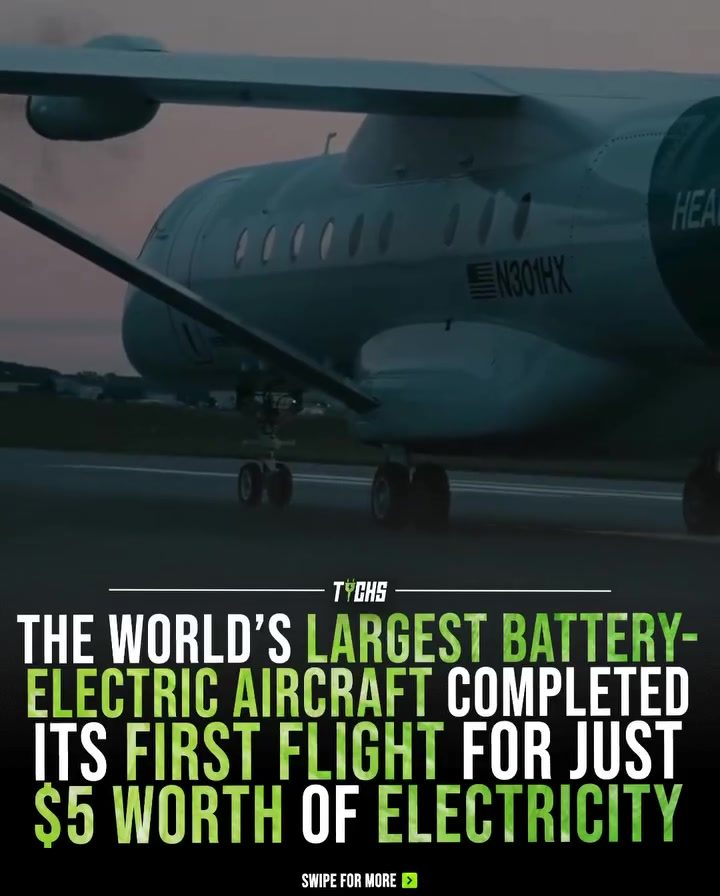
Electric Aircraft Flight: The X1 Demonstrator
The X1, developed by Heart Aerospace, has successfully completed its first fully battery-electric flight. This achievement marks a significant milestone in aviation, as the X1 is now the world's largest electric aircraft to take to the skies. The flight, which took place in Plattsburgh, New York, was powered entirely by batteries, demonstrating the potential of electric propulsion beyond small aircraft.
Context: Why This Matters
Electric aircraft represent a paradigm shift in the aviation industry. Traditional aircraft rely on fossil fuels, which contribute significantly to carbon emissions and environmental pollution. Electric propulsion, on the other hand, offers a cleaner and more sustainable alternative. The successful flight of the X1 demonstrates that electric aircraft can scale beyond small, experimental models, paving the way for larger, commercial aircraft.
Main Discussion
The X1 Demonstrator
The X1 is a full-scale demonstrator aircraft designed by Heart Aerospace to test and validate various technologies crucial for future electric and hybrid-electric aircraft. The primary objective of the X1 is to serve as a testbed for the ES-30 regional aircraft, which is planned to have a 30-seat capacity.
Key Features of the X1
- Battery-Electric Propulsion: The X1 is powered entirely by batteries, making it a fully electric aircraft. This is a significant achievement, as it showcases the feasibility of electric propulsion for larger aircraft.
- Technological Validation: The X1 allows Heart Aerospace to validate critical systems such as electric propulsion, batteries, power electronics, flight controls, and other technologies. These validations are essential for the development of the ES-30 and future aircraft.
- Low Operating Costs: One of the most striking aspects of the X1's first flight is its low operating cost. The flight consumed only $5 worth of electricity, highlighting the potential cost savings of electric aircraft compared to traditional fossil fuel-powered aircraft.
The ES-30 Regional Aircraft
The ES-30 is a 30-seat regional aircraft planned by Heart Aerospace. It is designed to have a 125-mile all-electric range and an extended range of up to 500 miles using its hybrid system. The ES-30 aims to offer a sustainable and cost-effective solution for regional aviation.
Hybrid-Electric System
The ES-30 will utilize a hybrid-electric system, combining battery power with a traditional engine or other power sources. This hybrid approach allows for extended flight ranges and greater flexibility, making it suitable for various regional routes.
Technology Testbed
The X1 serves as a critical technology testbed for the ES-30. By validating essential systems and technologies in flight, Heart Aerospace can ensure that the ES-30 meets performance and safety standards before entering commercial service.
The Future of Electric Aviation
The successful flight of the X1 and the development of the ES-30 signify a promising future for electric aviation. As technology advances, electric aircraft are expected to become more efficient, cost-effective, and environmentally friendly.
Scalability and Commercialization
The X1's achievement demonstrates that electric propulsion can scale beyond small aircraft. This opens up possibilities for larger, commercial aircraft that can carry passengers and cargo over longer distances. The ES-30, with its hybrid-electric system, is poised to be a pioneer in this realm, offering a sustainable solution for regional aviation.
Environmental Impact
Electric aircraft have the potential to significantly reduce carbon emissions and environmental pollution. By eliminating the need for fossil fuels, electric propulsion can contribute to a cleaner and greener aviation industry. The X1's successful flight is a step towards this goal, showcasing the viability of electric propulsion for larger aircraft.
Practical Tips for Electric Aircraft Development
Developing electric aircraft involves several challenges, but there are practical tips to consider for successful implementation:
Focus on Battery Technology
Battery technology is a critical component of electric aircraft. Investing in advanced battery systems that offer higher energy densities and longer life spans can significantly improve the performance and range of electric aircraft.
Validate Technologies in Flight
Testing and validating technologies in flight, as demonstrated by the X1, is essential for ensuring their reliability and efficiency. This approach allows developers to identify and address potential issues before deploying the aircraft in commercial service.
Optimize Power Management
Efficient power management systems are crucial for electric aircraft. Developing technologies that optimize power usage, such as regenerative braking and energy recovery systems, can enhance the overall performance and range of electric aircraft.
Design for Scalability
Designing electric aircraft with scalability in mind ensures that they can evolve and adapt to future advancements. This approach allows for the development of larger, more capable aircraft in the future.
Important Takeaways
- The X1 has set a new milestone as the world's largest battery-electric aircraft to fly.
- Electric propulsion is scalable and has the potential to revolutionize aviation.
- Technology validation in flight is crucial for advancing electric aircraft development.
- The ES-30 will be a pacesetter for sustainable, hybrid-electric regional aviation.
- Cost and environmental benefits make electric propulsion an attractive alternative to fossil fuels.
Conclusion
The successful flight of Heart Aerospace's X1 marks a significant milestone in the development of electric aircraft. By showcasing the scalability and efficiency of electric propulsion, the X1 paves the way for larger, commercial electric and hybrid-electric aircraft. The ES-30, with its innovative hybrid-electric system, is poised to lead the charge in sustainable aviation. As technology continues to advance, electric aircraft will play an increasingly important role in creating a cleaner, more efficient aviation industry.
Watch the Reel
Questions readers ask
What makes the Heart Aerospace X1 significant in the aviation industry?
The Heart Aerospace X1 is significant because it is the world's largest electric aircraft to complete a fully battery-powered flight, demonstrating the potential of electric propulsion for larger-scale aviation. This achievement highlights a shift towards cleaner, more sustainable aviation technology.
Where and when did the X1's first flight take place?
The X1's first fully battery-powered flight took place in Plattsburgh, New York. The exact date of the flight is not specified in the provided excerpt, but it marks a significant milestone in the advancement of electric aviation.
How does electric propulsion benefit the aviation industry?
Electric propulsion offers a cleaner and more sustainable alternative to traditional fossil fuel-reliant aircraft. By reducing carbon emissions and environmental pollution, electric propulsion can help mitigate the environmental impact of aviation.
What challenges might electric aircraft like the X1 face in becoming widespread?
While the X1 demonstrates the potential of electric aircraft, challenges such as battery range, charging infrastructure, and the need for regulatory approvals must be addressed before electric aircraft can become widespread. Further advancements in battery technology and infrastructure development are crucial for this progression.
What is the significance of the X1 being the largest electric aircraft to fly?
The X1's size signifies that electric propulsion is not limited to small aircraft. Its successful flight demonstrates that electric propulsion can be scaled up, paving the way for regional electric flights and potentially even longer-range electric aircraft in the future.
How does the X1's flight impact the future of electric aviation?
The X1's successful flight sets a new standard for electric aviation, showing that larger aircraft can operate using electric propulsion. This achievement encourages further innovation and investment in electric aircraft technology, bringing the aviation industry closer to a more sustainable future.
What are the key differences between traditional aircraft and electric aircraft like the X1?
Traditional aircraft rely on fossil fuels for propulsion, contributing to carbon emissions and environmental pollution. In contrast, electric aircraft like the X1 use batteries for power, offering a cleaner and more sustainable alternative. This shift in propulsion technology can significantly reduce the environmental impact of aviation.
Recent articles
Fresh deep dives from the latest Reels we unpacked.




Comments
Be the first to comment.